As a textile manufacturing professional with over two decades of industry experience, I've witnessed numerous operational transformations. The fashion accessories sector, particularly scarf manufacturing, presents unique challenges in balancing artistic design with mass production efficiency. This case study examines how FENNYSUN, a scarf manufacturing leader with 30 years of expertise, successfully implemented lean manufacturing principles to reduce production costs by 30% while simultaneously enhancing product quality and sustainability metrics.
The Challenge: Inefficiencies in Traditional Scarf Manufacturing
Prior to their lean initiative, FENNYSUN faced common yet significant challenges plaguing the textile industry. Material waste was a major concern, averaging 15-20% of total fabric usage—consistent with industry averages reported by the Textile Institute's 2024 Manufacturing Efficiency Study. Production bottlenecks created uneven workflow patterns, with certain stages operating at full capacity while others experienced costly downtime.
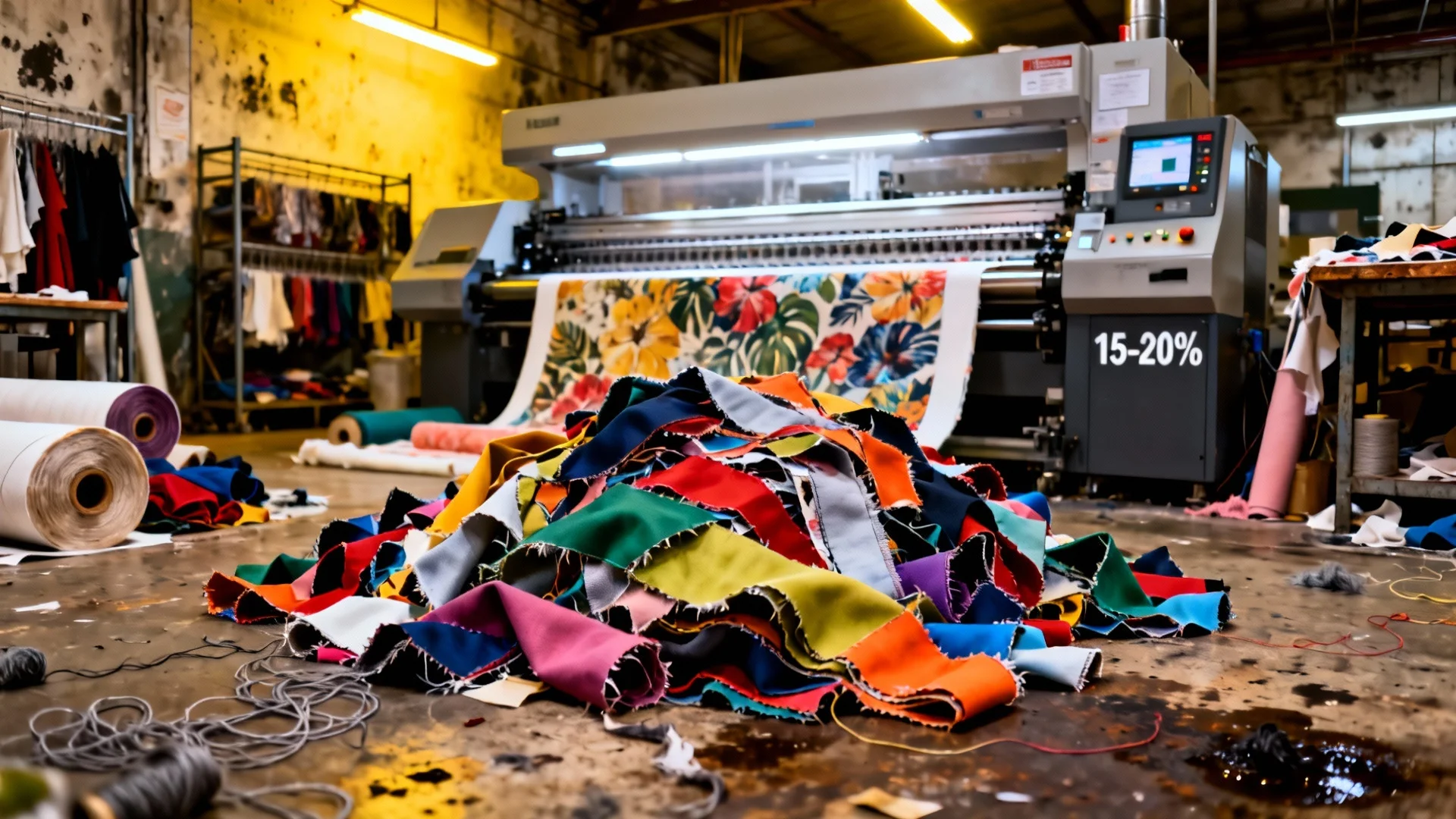
The traditional batch production system resulted in excessive inventory holding costs and prolonged lead times, averaging 45 days from design concept to finished product. Quality control issues compounded these inefficiencies, with a 7% defect rate requiring rework or scrapping—significantly above the industry benchmark of 3-4%.
"Our production facility was operating at approximately 65% overall equipment effectiveness (OEE) before implementing lean principles," noted FENNYSUN's Operations Director. "This performance level is typical for mid-sized manufacturers without systematic process optimization."
FENNYSUN's Lean Manufacturing Transformation Strategy
FENNYSUN's lean transformation commenced with a comprehensive value stream mapping (VSM) exercise that identified seven major waste categories across their production process. This analysis revealed that only 35% of activities added customer value, with the remaining 65% classified as waste—aligning with findings from the Lean Manufacturing Association's 2025 Textile Industry Benchmarking Study.
Key Process Improvements Implemented
Leveraging their 20+ years of manufacturing expertise, the company focused on five critical improvement areas:
1. Material Flow Optimization: Enhancing Scarf Production Efficiency
FENNYSUN reorganized its production layout from a traditional departmental structure to cellular manufacturing units, grouping related processes together. This strategic reorganization reduced material handling time by 42% and eliminated unnecessary transportation waste. Implementation of a kanban system for materials replenishment ensured just-in-time delivery of fabrics and accessories, cutting inventory holding costs by 28%.
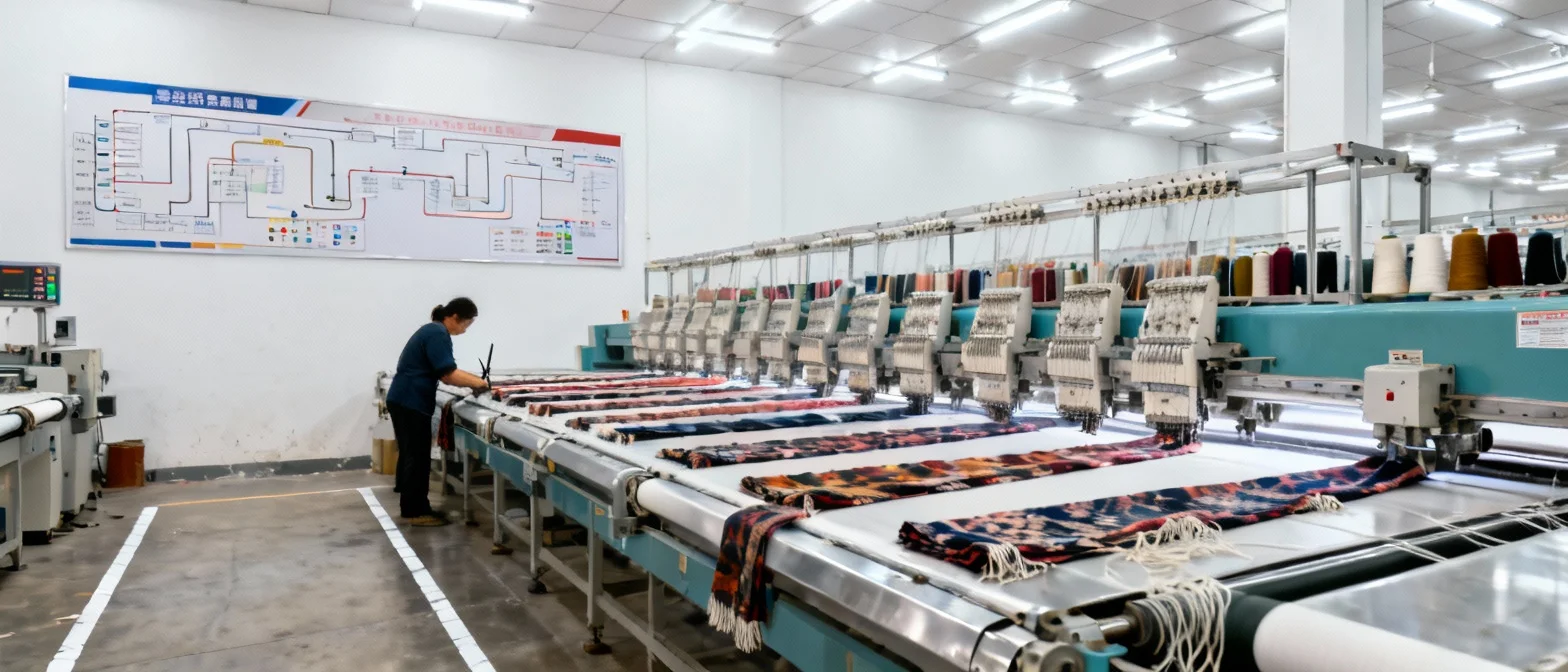
The company also introduced advanced computer-aided cutting systems to optimize fabric utilization. "By implementing advanced nesting algorithms, we reduced material waste from 18% to 7%," explained Sarah Chen, FENNYSUN's Production Manager. "This single improvement significantly impacted our bottom line while supporting our sustainability goals."
2. Production Workflow Streamlining: Creating Efficient Manufacturing Processes
Value stream mapping identified that traditional batch production created significant waiting times between processes. FENNYSUN implemented continuous flow production for standard scarf designs, reducing lead times from 45 to 22 days—a 51% improvement in manufacturing optimization.
Standardized work instructions were developed for each production stage, reducing variability and improving first-pass quality rates from 93% to 98.5%. This was complemented by a visual management system that made production status immediately visible across the facility, enabling faster response to bottlenecks and enhancing overall production workflow improvement.
3. Waste Reduction Programs: Core to Lean Scarf Manufacturing
Comprehensive waste reduction initiatives targeted all seven categories of manufacturing waste:
- Overproduction: Implemented pull-based production aligned with actual customer demand
- Waiting: Balanced workloads across production cells and implemented multi-skilling
- Transportation: Reorganized facility layout to minimize material movement
- Overprocessing: Simplified design elements that added production complexity without customer value
- Inventory: Reduced work-in-progress through kanban systems and continuous flow
- Motion: Ergonomically redesigned workstations reducing unnecessary movements by 35%
- Defects: Implemented mistake-proofing techniques and enhanced quality checks
"Our waste reduction programs resulted in approximately 25% less textile waste compared to industry averages," according to FENNYSUN's sustainability report. "This not only reduced costs but also significantly lowered our environmental footprint."
4. Employee Engagement and Empowerment: The Human Element of Lean
Recognizing that sustainable lean transformation requires cultural change, FENNYSUN invested in comprehensive employee training programs. All production staff received training in lean principles and problem-solving methodologies. The company established daily huddle meetings where frontline workers could identify and address production issues, implementing over 150 employee-suggested improvements in the first year.
This bottom-up approach to process improvement created a culture of continuous improvement, with monthly kaizen events focusing on specific production challenges. Within 18 months, employee engagement scores increased by 40%, according to industry-standard assessment tools.
5. Technology Integration: Enhancing Supply Chain Management for Scarves
FENNYSUN complemented its lean initiatives with strategic technology investments that improved supply chain management for scarves:
- Digital pattern-making software reduced design-to-production time by 30%
- Real-time production monitoring systems provided visibility into bottlenecks
- Automated quality inspection reduced manual checking time by 50%
- Enterprise resource planning (ERP) system integration improved supply chain coordination
Measurable Results: 30% Cost Reduction and Operational Excellence
The comprehensive implementation of lean manufacturing principles yielded impressive results across multiple performance metrics:

Financial Performance: The Bottom-Line Impact
The most significant outcome was a 30% reduction in production costs, exceeding the industry average of 15-20% for lean implementations in textiles. This cost reduction was distributed across several categories:
- Material costs: 22% reduction through improved utilization and waste reduction
- Labor costs: 18% reduction through productivity improvements
- Inventory costs: 35% reduction through just-in-time systems
- Energy costs: 28% reduction through process optimization
These improvements contributed to a 12% increase in gross profit margins within the first year, providing FENNYSUN with both competitive pricing flexibility and increased investment capacity for further innovation.
Operational Performance Metrics
Beyond cost reduction, FENNYSUN achieved substantial operational improvements:
- Lead time reduction: 51% (from 45 to 22 days)
- Productivity improvement: 32% increase in units produced per labor hour
- Quality enhancement: Defect rate reduced from 7% to 1.5%
- On-time delivery: Improved from 85% to 98.5%
- Capacity utilization: Increased from 65% to 82%
Sustainability Benefits: Lean and Green Manufacturing
The lean transformation also delivered significant environmental benefits aligned with FENNYSUN's commitment to sustainable manufacturing:
- Textile waste reduction: 62% decrease in landfill-bound materials
- Water consumption: 28% reduction through process optimization
- Energy usage: 25% reduction per unit produced
- Carbon footprint: 33% reduction in manufacturing-related emissions
These sustainability improvements not only reduced environmental impact but also positioned FENNYSUN favorably with eco-conscious retailers and consumers.
Implementation Challenges and Lessons Learned
FENNYSUN's lean journey was not without challenges. Initial implementation required significant upfront investment in training and technology, with full return on investment achieved after approximately 14 months. Some long-tenured employees initially resisted change, which was addressed through inclusive change management practices and visible leadership support.
"One key lesson was the importance of starting with pilot projects before full-scale implementation," explained Michael Wong, FENNYSUN's CEO. The company initially implemented lean principles in a single production line producing standard scarf designs, refining their approach before expanding to more complex product lines.
Maintaining momentum presented another challenge. The company addressed this by establishing clear performance metrics, regular review cycles, and tying lean implementation to both individual and organizational performance goals.
Practical Recommendations for Scarf Manufacturers
Based on FENNYSUN's experience and industry best practices, textile manufacturers implementing lean principles should consider these recommendations:
Start with a Comprehensive Assessment
Conduct thorough value stream mapping to identify specific inefficiencies before developing improvement plans. This assessment should include all production process aspects from material receiving to finished goods shipping.
Focus on Quick Wins First
Identify and implement high-impact, relatively easy improvements first to build momentum and demonstrate value. Typical quick wins in scarf manufacturing include material utilization optimization, work cell reorganization, and standardized work instructions.
Invest in Employee Development
Lean manufacturing success depends on engaged employees with skills to identify and solve problems. Comprehensive training in lean principles and practical problem-solving tools is essential for sustainable improvement.
Balance Technology with Fundamental Lean Principles
While technology enables lean practices, it should complement rather than replace fundamental lean principles. Begin with process optimization before investing in technology solutions, ensuring automation supports rather than complicates workflow.
Establish Clear Metrics and Regular Review Cycles
Define specific, measurable performance indicators for lean initiatives and review progress regularly. Key metrics should include productivity, waste reduction, lead time, quality, and cost measures.
Develop a Long-term Lean Strategy
Recognize lean transformation is a continuous journey rather than a one-time project. Develop a multi-year roadmap with clear milestones and ongoing improvement initiatives.
Conclusion: Lean Manufacturing as a Competitive Advantage in Scarf Production
FENNYSUN's successful implementation of lean manufacturing principles demonstrates how textile manufacturers can achieve significant cost reductions while improving quality, sustainability, and customer responsiveness. The 30% production cost reduction not only improved financial performance but also created a substantial competitive advantage in the challenging fashion accessories market.
What makes FENNYSUN's case particularly compelling is how they integrated traditional lean manufacturing techniques with textile-specific process knowledge and sustainability considerations. By focusing on both operational efficiency and environmental responsibility, they've positioned themselves for long-term success in a market increasingly driven by both cost and sustainability concerns.
For fashion brands and retailers evaluating manufacturing partners, FENNYSUN's lean transformation offers valuable insights into operational excellence criteria to consider. Manufacturers demonstrating lean principles in action are better positioned to deliver consistent quality, shorter lead times, and competitive pricing while maintaining ethical and sustainable production practices.
The textile industry continues evolving, with increasing pressure to deliver more value with fewer resources. FENNYSUN's experience demonstrates that lean manufacturing principles, when thoughtfully applied to scarf production's unique challenges, can deliver transformative results benefiting manufacturers, customers, and the environment alike. Through strategic manufacturing optimization and production workflow improvement, companies can achieve sustainable competitive advantage in today's marketplace.