In today's rapidly evolving textile landscape, smart factory implementation has become a critical differentiator for fashion brands and manufacturers aiming to maintain competitiveness. Escalating consumer demands for customization, sustainability, and rapid delivery have rendered traditional manufacturing methods increasingly inadequate. Drawing upon extensive industry experience and analysis of emerging 2025 trends, this guide presents a practical, step-by-step approach to constructing a smart textile factory that seamlessly integrates automation, AI, IoT, and digital twin technologies.
The global textile automation market is projected to grow by $664 million from 2025-2029, driven by pressing needs for energy efficiency, quality improvement, and enhanced responsiveness to market fluctuations. Forward-thinking industry leaders are already leveraging these technologies to achieve remarkable outcomes—from 30% reduction in defects to 45% improvement in production efficiency. This guide equips you with actionable insights and textile-specific best practices to navigate the complex landscape of smart manufacturing implementation successfully.
Understanding Smart Textile Factory Fundamentals
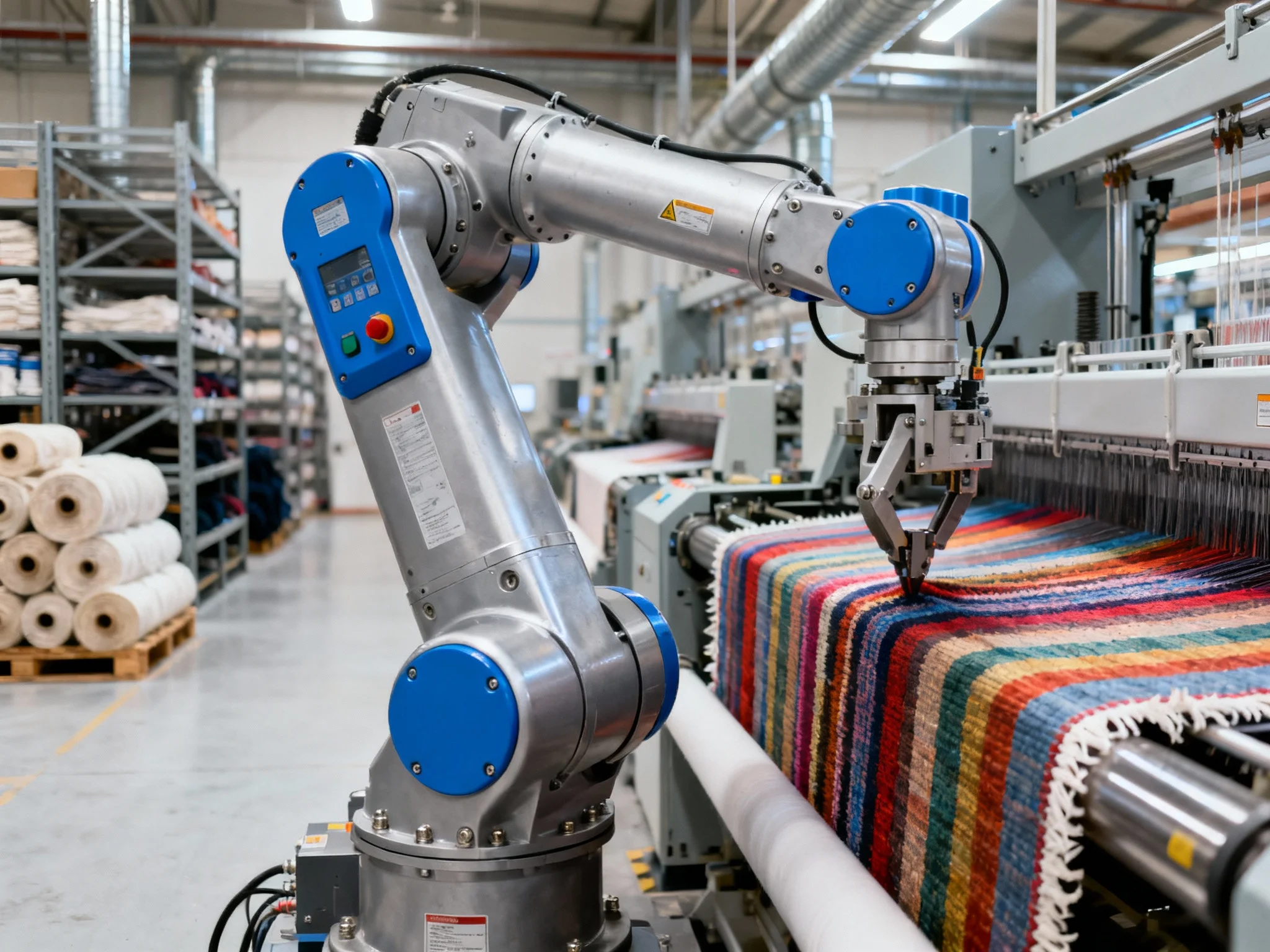
Before embarking on your smart factory journey, it's essential to grasp the core technologies and their specific applications in textile manufacturing. A smart textile factory represents the convergence of physical production processes with cutting-edge digital technologies, creating an interconnected ecosystem that enables data-driven decision making, predictive maintenance, and real-time optimization.
Smart textile manufacturing rests upon four interconnected technology pillars:
Industrial Automation forms the backbone of modern smart factories. Automated machinery efficiently handles repetitive tasks including material handling, weaving, and packaging. Today's advanced solutions transcend simple mechanization, incorporating adaptive robots capable of manipulating delicate fabrics and executing complex patterns with precision exceeding human capabilities. The latest robotic sewing systems achieve remarkable stitch accuracy within 0.1mm tolerance while operating at speeds up to 5000 stitches per minute, revolutionizing production capabilities.
Artificial Intelligence is transforming textile manufacturing by enabling machines to learn from operational data, recognize intricate patterns, and make autonomous decisions. In quality control applications, AI-powered vision systems equipped with high-resolution cameras (typically 12MP or higher) and sophisticated algorithms detect defects as small as 0.01mm²—far beyond human visual capabilities. These advanced systems achieve defect recognition rates exceeding 99.5% for common issues such as thread breaks, color variations, and weave irregularities, significantly enhancing quality assurance processes.
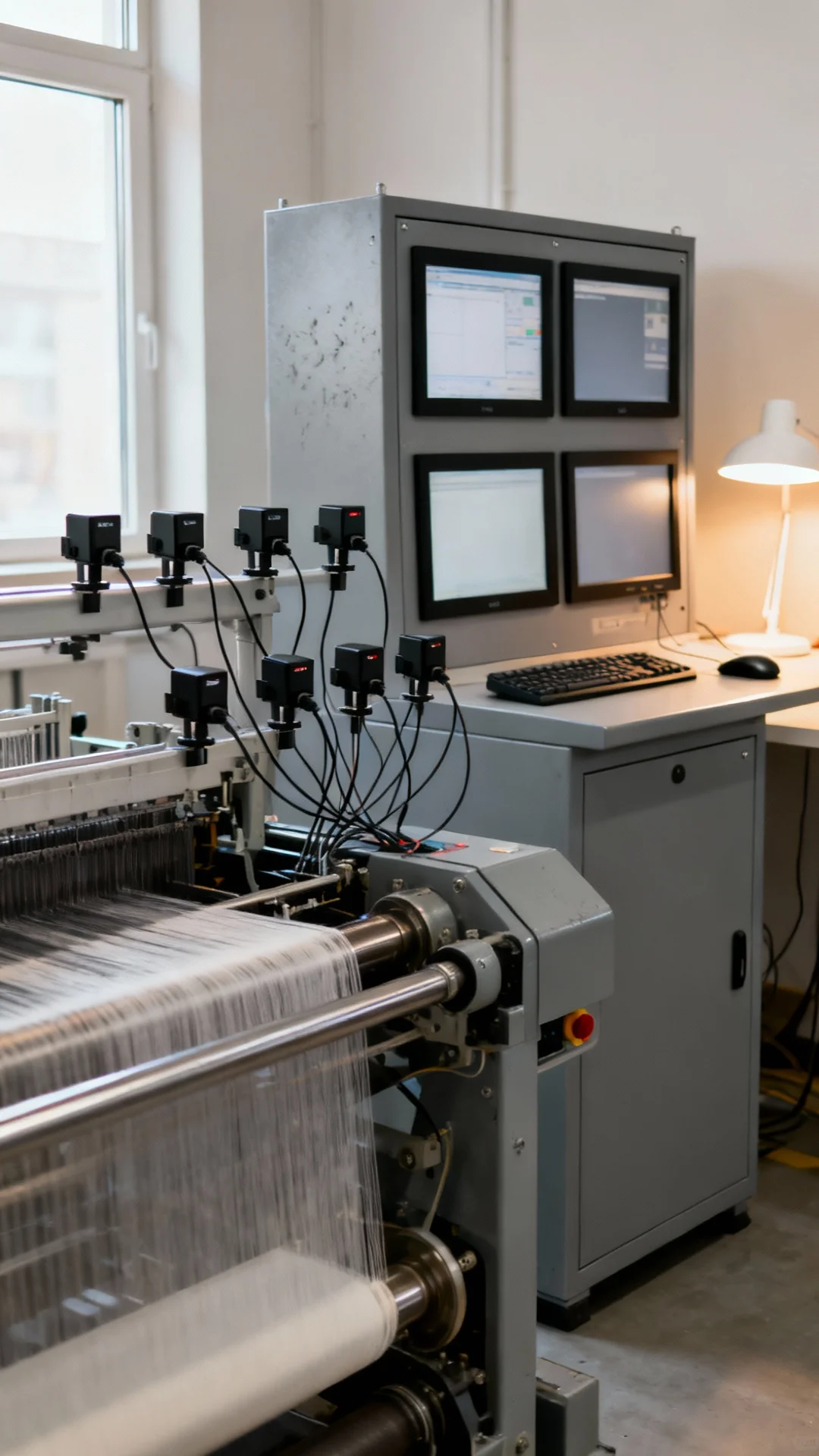
Internet of Things (IoT) in textile monitoring connects physical assets through intelligent sensors that collect real-time data on machine performance, environmental conditions, and production metrics. Within textile facilities, IoT sensors meticulously monitor parameters including temperature (maintained within ±0.5°C for optimal fabric processing), humidity (typically 45-65% RH for natural fibers), machine vibration, and energy consumption. This continuous data stream enables condition-based maintenance and process optimization, reducing unplanned downtime by an average of 35% according to 2025 industry benchmarks.
Digital Twin Technology creates virtual replicas of physical production lines, allowing manufacturers to simulate processes, test modifications, and optimize operations without disrupting actual production. Leading textile manufacturers now model entire production flows from fiber preparation to finished goods, achieving up to 20% reduction in setup times and 15% improvement in resource utilization through virtual testing and optimization.
These technologies synergize to create a manufacturing environment that is not only highly efficient but also exceptionally flexible and responsive to market demands. A modern smart textile factory can reconfigure production lines for new products in hours rather than days, with digital twins simulating optimal setups before any physical changes are implemented. This agility proves particularly valuable in the fast-paced fashion accessories sector where trend cycles continue to shorten dramatically.
Strategic Planning and Assessment Phase
The journey to a smart textile factory commences with thorough strategic planning and assessment—a critical phase that establishes the foundation for successful implementation. Rushing into technology adoption without proper planning often results in inefficient investments and operational disruptions. Based on analysis of successful implementations in 2024-2025, this phase typically requires 8-12 weeks for mid-sized textile operations, with more complex facilities necessitating additional time.
Current State Assessment involves conducting a comprehensive audit of existing production processes, equipment, and IT infrastructure. This assessment maps all material flows, identifies bottlenecks, and establishes baseline performance metrics. Key metrics to document include production throughput (measured in meters of fabric per hour), defect rates by category, energy consumption per unit of production, labor utilization, and maintenance downtime. Industry best practice employs value stream mapping (VSM) to visualize current processes and pinpoint improvement opportunities, with special attention to data collection capabilities—an essential foundation for smart technologies.
Goal Setting requires defining clear, measurable objectives aligned with overall business strategy. These goals should directly address specific pain points identified in the current state assessment while positioning the company for future growth. Common objectives include reducing quality defects by 25-40%, improving production flexibility to handle small batch sizes profitably, decreasing energy consumption by 15-20%, and shortening lead times by 30-50%. Prioritizing these goals based on their potential impact and implementation difficulty allows for the creation of a phased roadmap that delivers quick wins while building toward more ambitious transformations.
Technology Readiness Evaluation assesses the organization's capability to adopt and integrate smart technologies effectively. This evaluation encompasses technical infrastructure (network bandwidth, data storage capacity, cybersecurity measures), IT/OT integration capabilities, and workforce skills. For textile manufacturers, special considerations include compatibility of legacy machinery with IoT sensors (many machines built after 2015 feature basic connectivity, while older equipment may require retrofitting) and availability of skilled personnel possessing both textile expertise and digital proficiency. A 2025 survey found that 68% of textile manufacturers identified workforce skills as the primary barrier to smart factory implementation, underscoring the importance of addressing this factor early in the planning process.
Budget Planning demands realistic financial projections accounting for both capital expenditures and ongoing operational costs. Smart textile factory investments typically range from $500,000 to $5 million for mid-sized facilities, depending on automation level and technology integration. While initial costs can be substantial, industry data demonstrates these investments typically deliver ROI within 2-4 years through efficiency gains, quality improvements, and labor optimization. Comprehensive budget planning should include hardware, software, training, system integration services, and contingency funds for unexpected challenges.
Stakeholder Alignment is critical for successful implementation, requiring engagement with all levels of the organization from shop floor workers to executive leadership. Developing change management strategies to address potential resistance is essential, emphasizing how smart technologies will augment rather than replace human workers. Creating cross-functional teams with representatives from production, maintenance, quality, IT, and management ensures diverse perspectives are considered and builds ownership of the transformation process.
Technology Selection and System Design
Selecting appropriate technologies and designing an integrated system architecture fundamentally determines the success of your smart textile factory implementation. This phase requires balancing innovation with practical considerations such as compatibility, scalability, and return on investment. Given the rapidly evolving technology landscape—with new solutions emerging quarterly—focusing on flexible platforms that can adapt to future advancements is paramount.
Core Technology Components for a smart textile factory typically include:
- Industrial IoT Platform: Serving as the nervous system connecting sensors, machines, and software applications, leading platforms offer textile-specific protocols and pre-built connectors for common machinery brands (e.g., Toyota Industries, Saurer, Picanol). When evaluating options, consider data processing capabilities (edge vs. cloud), scalability (support for 1000+ connected devices), and robust security features.
- AI Applications in Manufacturing: Specialized solutions for textile-specific use cases including quality inspection, predictive maintenance, and production optimization. Quality control systems should offer textile-specific defect libraries and customizable inspection parameters for different fabric types, as AI systems designed for woven fabrics require different algorithms than those for knits or nonwovens.
- Robotic Production Systems: Collaborative robots (cobots) for material handling, automated guided vehicles (AGVs) for logistics, and specialized textile automation for cutting, sewing, and packaging. Consider payload capacity (typically 5-15kg for textile applications), reach (1.2-1.5m is common), and programming complexity when selecting robotic systems tailored to textile manufacturing environments.
- Digital Twin Software: Platforms that create virtual replicas of production lines for simulation, optimization, and training. Textile-specific solutions should include material physics models that accurately simulate fabric behavior during processing, enabling precise virtual testing before physical implementation.
System Integration Architecture must ensure seamless data flow between components while maintaining reliability and security. Following industry standards like OPC UA for industrial communication and implementing a layered security approach with network segmentation, encryption, and access controls is essential. For textile manufacturers, pay special attention to environmental factors affecting technology performance, including dust mitigation for sensors and vibration isolation for precision equipment.
Vendor Selection Criteria should evaluate long-term partnership potential beyond technical specifications. Key considerations include industry experience with specific textile manufacturing challenges, referenceable customers with similar operations, support capabilities (availability, response times, local presence), clear technology evolution roadmaps, and total cost of ownership—including implementation, training, maintenance, and upgrade costs alongside purchase price.
Pilot Project Planning validates technology selections before full-scale deployment, focusing on high-impact, contained processes like quality inspection or a single production line. Establish clear success metrics upfront, such as defect detection rate improvement or production throughput increase. Allocate 10-15% of the total technology budget for pilot activities, including time for adjustments based on lessons learned. A well-designed pilot typically takes 3-6 months and involves a cross-functional team providing comprehensive evaluation.
Scalability Design ensures initial implementations can grow without requiring complete system overhauls. This includes modular hardware designs, software licenses that scale easily, and data architectures that accommodate increasing volumes as more processes are digitized. For manufacturers with seasonal demand fluctuations, scalability also means quickly reconfiguring production lines for different product types and volumes, maximizing operational flexibility.
Implementation and Integration Process
The implementation and integration phase transforms strategic planning into operational reality, requiring careful coordination of technology deployment, process changes, and workforce adaptation. Representing the most complex and resource-intensive part of the smart factory journey, mid-sized textile operations typically need 6-18 months to fully implement core smart technologies. A phased approach is strongly recommended, allowing incremental learning and adjustment while delivering tangible business benefits throughout the process.
Phased Deployment Strategy begins with quick-win projects that demonstrate value within 3-6 months, building momentum and organizational support for broader transformation. Common initial projects include IoT-based machine condition monitoring on critical equipment, AI-powered quality inspection for high-value or quality-sensitive products, and digital workflow management for production planning and tracking. Subsequent phases build on these foundations by integrating additional processes and technologies—for example, adding predictive analytics and automated maintenance scheduling after implementing basic condition monitoring. Each phase should include clear success criteria, timeline, budget, and resource allocation, with formal reviews between phases to assess progress and adjust plans as needed.
System Integration connects new smart technologies with existing systems, creating a unified digital ecosystem. This includes integrating IoT platforms with ERP systems, connecting AI quality control with manufacturing execution systems (MES), and ensuring seamless data flow between all components. For manufacturers with legacy equipment, this often involves retrofitting machines with sensors and communication interfaces—best performed during scheduled maintenance periods to minimize disruption. Specialized integration services with textile industry experience are strongly recommended, as they understand unique data requirements and process nuances specific to textile manufacturing.
Data Management Implementation establishes infrastructure and processes for collecting, storing, analyzing, and securing manufacturing data. Textile operations generate substantial volumes—a single quality inspection system can produce 50-100GB of image data daily—requiring careful planning for storage, processing, and retention. Comprehensive data governance policies should address what data to collect and at what frequency, where data is stored (edge devices, on-premises servers, cloud platforms), how long data is retained, access protocols for different data types, data quality assurance measures, and security and compliance requirements. Manufacturers handling proprietary designs or customer data need additional security measures to protect intellectual property throughout the data lifecycle.
Testing and Validation ensures all components function individually and collectively as intended before full-scale deployment. This rigorous process includes factory acceptance testing (FAT) of new equipment before shipment, site acceptance testing (SAT) after installation, integration testing to verify data flow between systems, performance testing to ensure systems meet throughput and accuracy requirements, and user acceptance testing with actual operators to validate usability. For critical processes like AI quality inspection, validation with a wide range of fabric types, patterns, and defect scenarios is essential. Testing should continue for 2-4 weeks under normal operating conditions to identify issues that only emerge over time.
Change Management addresses the human side of technology adoption, helping employees adapt to new ways of working through comprehensive training programs tailored to different roles (operators, maintenance technicians, supervisors, managers) and communication plans keeping all stakeholders informed of progress, benefits, and expected changes. For textile workers accustomed to traditional methods, hands-on training with new technologies is essential, as many manufacturers report better results from "learning by doing" approaches rather than classroom-only training. Change management should also include mechanisms for collecting and acting on employee feedback, addressing concerns, and recognizing early adopters who help drive broader acceptance across the organization.
Workforce Transition and Skill Development
The transition to smart textile manufacturing fundamentally transforms workforce requirements and skill sets, demanding intentional strategies for developing capabilities needed to operate, maintain, and optimize new technologies. Contrary to fears of widespread job displacement, industry data shows smart manufacturing typically transforms rather than eliminates jobs. Many textile manufacturers report net employment growth as productivity improvements enable business expansion. A 2025 analysis by the Textile Workforce Development Institute found that for every automation-related job eliminated, 1.3 new positions were created in programming, maintenance, data analysis, and supervision.
Skills Gap Analysis identifies specific capabilities needed for the smart factory environment by comparing current workforce skills with future requirements. For textile manufacturers, this analysis typically reveals needs in three areas: technical skills (operating, programming, and maintaining automated equipment and software systems), digital literacy (understanding data concepts, basic analytics, and digital tools), and adaptive skills (problem-solving, critical thinking, and continuous learning capabilities). Conducting this analysis for each job role identifies specific skill gaps and priority development areas—for example, maintenance technicians may need training in predictive maintenance systems and industrial IoT, while quality inspectors might require new skills in operating and interpreting AI inspection systems.
Training Program Development creates targeted learning experiences addressing identified skill gaps while building on existing textile manufacturing expertise. Effective programs combine technical knowledge of new technologies, practical hands-on experience with equipment and software, application to real-world textile manufacturing scenarios, and certification components to validate skill acquisition. Training should be modular for flexible delivery and role-specific customization—a basic module on IoT concepts might be required for all employees, while advanced programming modules target specific technical roles. Many manufacturers partner with technical schools, community colleges, and technology vendors to develop customized training programs combining textile domain knowledge with essential digital skills.
On-the-Job Training complements formal programs with learning embedded in daily work, allowing employees to apply new skills in real production environments through mentorship programs pairing experienced workers with technology specialists, "digital champions" who receive advanced training to support colleagues, and structured onboarding for new technologies with supervised practice and feedback. For complex systems like digital twins or advanced AI applications, assigning dedicated technology coaches who work alongside production teams during initial implementation provides immediate support and guidance, accelerating proficiency development.
Career Path Development creates clear advancement opportunities for employees developing smart manufacturing skills, helping attract and retain talent while building organizational capability. Defining new roles such as "smart textile technician" or "data-driven production supervisor" with clear qualification requirements and compensation structures addresses resistance to technology adoption by demonstrating how digital skills enhance employability and earning potential. Forward-thinking manufacturers also create cross-functional rotation programs allowing employees to gain experience in different aspects of smart manufacturing, developing well-rounded expertise supporting broader organizational agility and innovation.
Performance Support Systems provide ongoing assistance to employees adapting to new technologies through digital work instructions, troubleshooting guides, and access to expert support delivered through on-machine displays, mobile applications, or wearable devices. This provides just-in-time information when and where needed—for example, maintenance technicians might access equipment manuals and diagnostic procedures through augmented reality glasses while working on machinery, keeping hands free and reducing downtime. Performance support systems reinforce training, reduce errors, and build confidence during the transition to smart manufacturing environments.
Operation, Optimization, and Continuous Improvement
The successful launch of smart textile factory technologies marks the beginning rather than the end of the digital transformation journey. Smart manufacturing creates a continuous improvement cycle driven by data and analytics, enabling ever-increasing levels of efficiency, quality, and responsiveness. The operational phase requires new management approaches and skills focused on leveraging data for decision making, optimizing interconnected systems, and fostering a culture of continuous innovation.
Data-Driven Operations Management transforms traditional manufacturing supervision through real-time visibility and predictive capabilities. Smart textile factories utilize digital dashboards providing comprehensive production monitoring by combining data from IoT sensors, AI systems, and traditional production metrics. These dashboards enable managers to monitor production status in real time across all lines, identify bottlenecks and quality issues as they emerge, track key performance indicators against targets, predict and prevent potential disruptions, and optimize resource allocation based on current conditions. Advanced implementations incorporate digital twins mirroring the entire production process, allowing managers to simulate "what-if" scenarios and test optimization strategies virtually before implementing them in the physical facility. For manufacturers with complex production mixes, this capability maximizes throughput while minimizing changeover times between product runs.
Performance Monitoring and Analytics establishes a systematic approach to measuring and improving manufacturing processes through continuous data collection and analysis. Key performance indicators (KPIs) specific to smart textile manufacturing include overall equipment effectiveness (OEE) with industry benchmarks reaching 85% for leading facilities, first-pass yield rates (targeting 99%+ for premium applications), energy consumption per unit of production, and predictive maintenance effectiveness (measured by reduction in unplanned downtime). Advanced analytics platforms apply machine learning algorithms to identify hidden patterns and optimization opportunities—for example, correlating specific environmental conditions with fabric quality metrics or identifying subtle machine vibration patterns preceding equipment failure. Regular performance review meetings with cross-functional teams ensure insights translate into actionable improvements, with clear accountability for implementation and results tracking.
Continuous Improvement Methodologies evolve in smart textile factories to leverage digital capabilities for accelerated problem-solving and innovation. Traditional approaches like Lean and Six Sigma gain enhanced power when combined with real-time data and advanced analytics, enabling more precise identification of root causes and faster validation of improvement measures. Digital tools facilitate standardized problem-solving across the organization, with centralized repositories of lessons learned and best practices accessible to all teams. Many manufacturers implement "digital kaizen" events leveraging virtual simulation to test improvement ideas before physical implementation, reducing risk and accelerating implementation cycles. The result is a more agile organization capable of responding rapidly to changing market conditions and continuously enhancing operational performance.
Technology Evolution Management ensures your smart textile factory remains at the cutting edge of innovation without constant disruption. This requires establishing regular technology assessment cycles (typically quarterly reviews of emerging solutions) and creating a technology roadmap extending 3-5 years into the future. Key considerations include evaluating new sensor technologies for enhanced data collection, advancing AI algorithms for improved defect detection and process optimization, and emerging robotics capabilities for previously manual processes. Implementing modular technology architectures facilitates incremental upgrades without system-wide overhauls, while maintaining strong vendor relationships provides early access to new developments and specialized support. By