In an era where conscious consumption is reshaping luxury markets, FENNYSUN has emerged as an industry pioneer demonstrating how environmental responsibility can coexist harmoniously with artisanal excellence in scarf manufacturing. With over three decades of specialized experience, the brand has perfected a production philosophy that honors both heritage craftsmanship and innovative sustainability—proving conclusively that true luxury need not come at the planet's expense. This comprehensive analysis examines how FENNYSUN navigates the complex intersection of luxury aesthetics and environmental stewardship, offering valuable insights for boutique owners, specialty retailers, and fashion brands seeking to align their offerings with evolving consumer expectations in the sustainable luxury sector.
The Evolving Landscape of Sustainable Luxury Accessories
The global scarf market is undergoing profound transformation driven by shifting consumer priorities and industry innovation. According to 2025 market analysis, luxury scarf segments are experiencing significant growth, with silk and cashmere varieties leading this expansion—yet this growth is increasingly tied to sustainability credentials. Industry reports consistently show that accessories featuring transparent supply chains and eco-friendly materials now command premium price points, with consumers willingly paying 20-30% more for products that align with their environmental values.
This market shift reflects a broader redefinition of luxury itself, where exclusivity is increasingly measured by ethical provenance rather than mere scarcity. Today's fashion-forward consumers—particularly millennials and Gen Z—scrutinize production processes meticulously, demanding full visibility into material sourcing, manufacturing conditions, and environmental impact. For retailers and brand partners, this evolution presents both challenges and opportunities: while traditional production methods face growing scrutiny, innovative sustainability approaches open new avenues for differentiation and customer loyalty in an increasingly competitive marketplace.
Against this backdrop, FENNYSUN's three-decade journey in scarf manufacturing provides a compelling model for balancing tradition with innovation. Founded in 1995 as a specialist in printed scarf production, the company has continuously refined its approach to align with emerging sustainability standards without compromising the luxury attributes that define its market position. This evolution mirrors the broader industry transition, offering practical lessons for businesses navigating similar transformations in the sustainable luxury accessories sector.
Material Innovation: The Foundation of Sustainable Luxury
At the core of FENNYSUN's sustainability strategy lies a meticulous approach to material selection that reconciles luxury expectations with environmental responsibility. The brand's seasonal collections exemplify how thoughtful material choices can enhance both ecological credentials and product desirability, addressing the dual priorities of modern luxury consumers who refuse to compromise on either quality or sustainability.
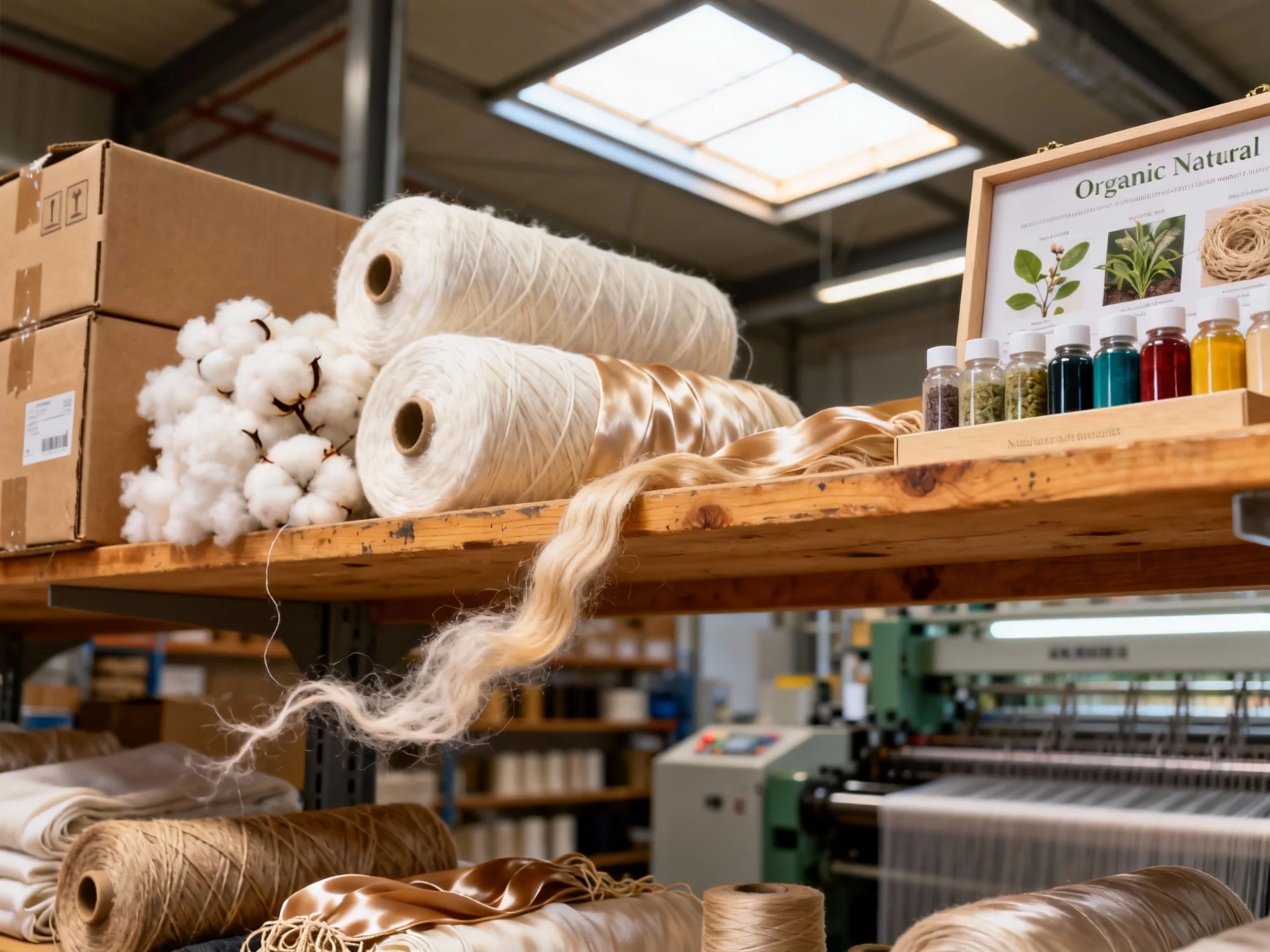
The material philosophy centers on three key principles: renewability, responsibility, and luxury experience. For premium lines, FENNYSUN incorporates sustainably sourced silk and cashmere—materials experiencing notable resurgence in 2025 luxury markets—sourced exclusively from suppliers adhering to strict animal welfare and land management standards. These natural fibers offer inherent biodegradability while providing the exceptional tactile quality and durability that discerning customers expect from luxury accessories.
Complementing these natural materials is an innovative range of eco-conscious alternatives that reduce environmental impact without sacrificing aesthetic appeal. Recycled polyester derived from post-consumer plastic bottles finds strategic application in certain designs, offering enhanced water resistance and durability for functional scarf styles. For seasonal fashion pieces, the brand employs Tencel™ and lyocell—fibers widely praised for their closed-loop production processes that minimize water usage and chemical impact throughout manufacturing.
Perhaps most distinctive is FENNYSUN's pioneering approach to material blending, where traditional luxury fibers are artfully combined with sustainable alternatives to create textiles with enhanced performance characteristics and reduced environmental footprint. This hybrid methodology allows the brand to maintain the luxurious handfeel associated with premium scarves while achieving significant reductions in resource consumption compared to conventional production methods.
The material selection process extends beyond environmental considerations to encompass ethical sourcing practices that support fair labor standards and community development. By prioritizing suppliers with robust certification frameworks and transparent supply chains, FENNYSUN ensures that its sustainability commitment extends throughout the entire value chain—from initial fiber production to finished product.
Ethical Production Processes: Engineering Sustainability in Every Stitch
FENNYSUN's manufacturing philosophy demonstrates how operational excellence and environmental stewardship can create mutually reinforcing benefits. The brand's state-of-the-art production facilities seamlessly combine advanced technologies with traditional craftsmanship to minimize ecological impact while maintaining the precision required for luxury scarf production—a delicate balancing act that has become a significant competitive advantage in the 2025 market.
The production process begins with digital design optimization, a technology-driven approach that significantly reduces material waste before manufacturing even commences. Using advanced pattern-making software, FENNYSUN's design team maximizes fabric utilization, achieving material efficiency rates that exceed industry averages by 15-20%. This digital precision not only reduces textile waste but also minimizes water and energy consumption associated with material production.
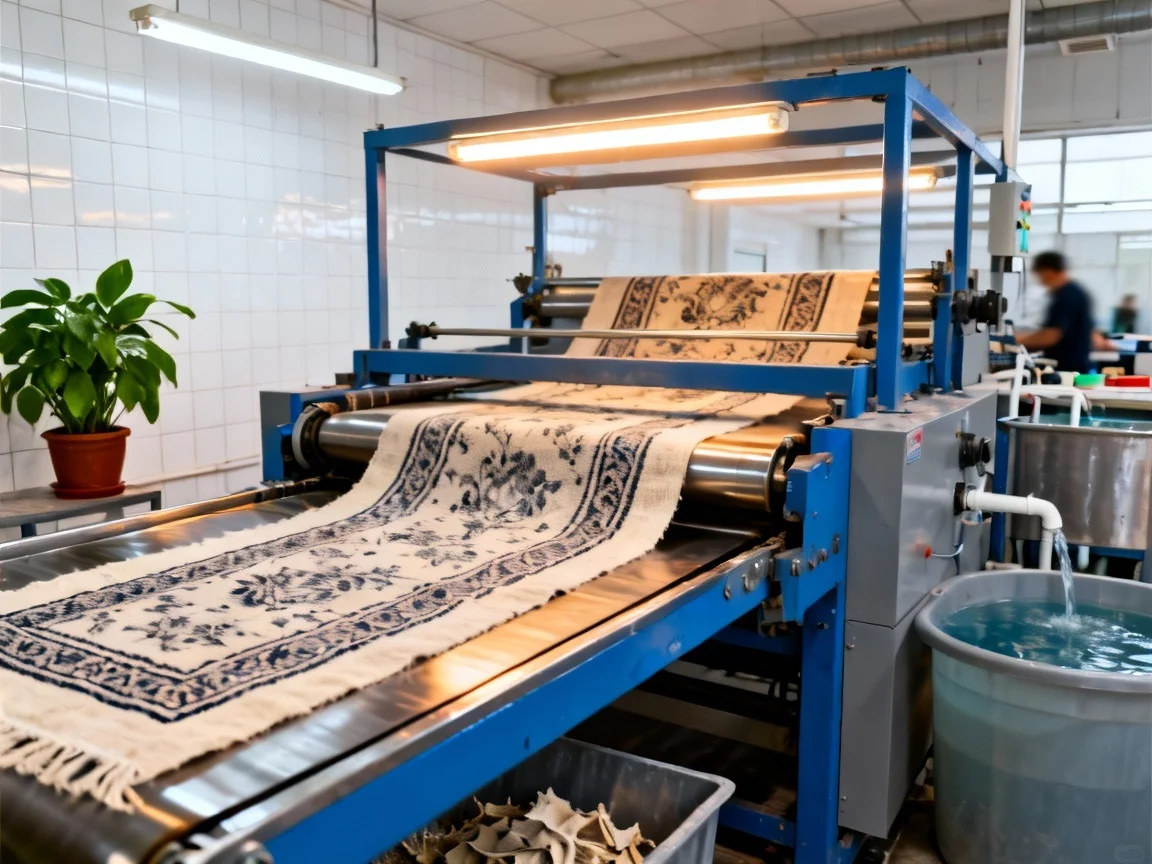
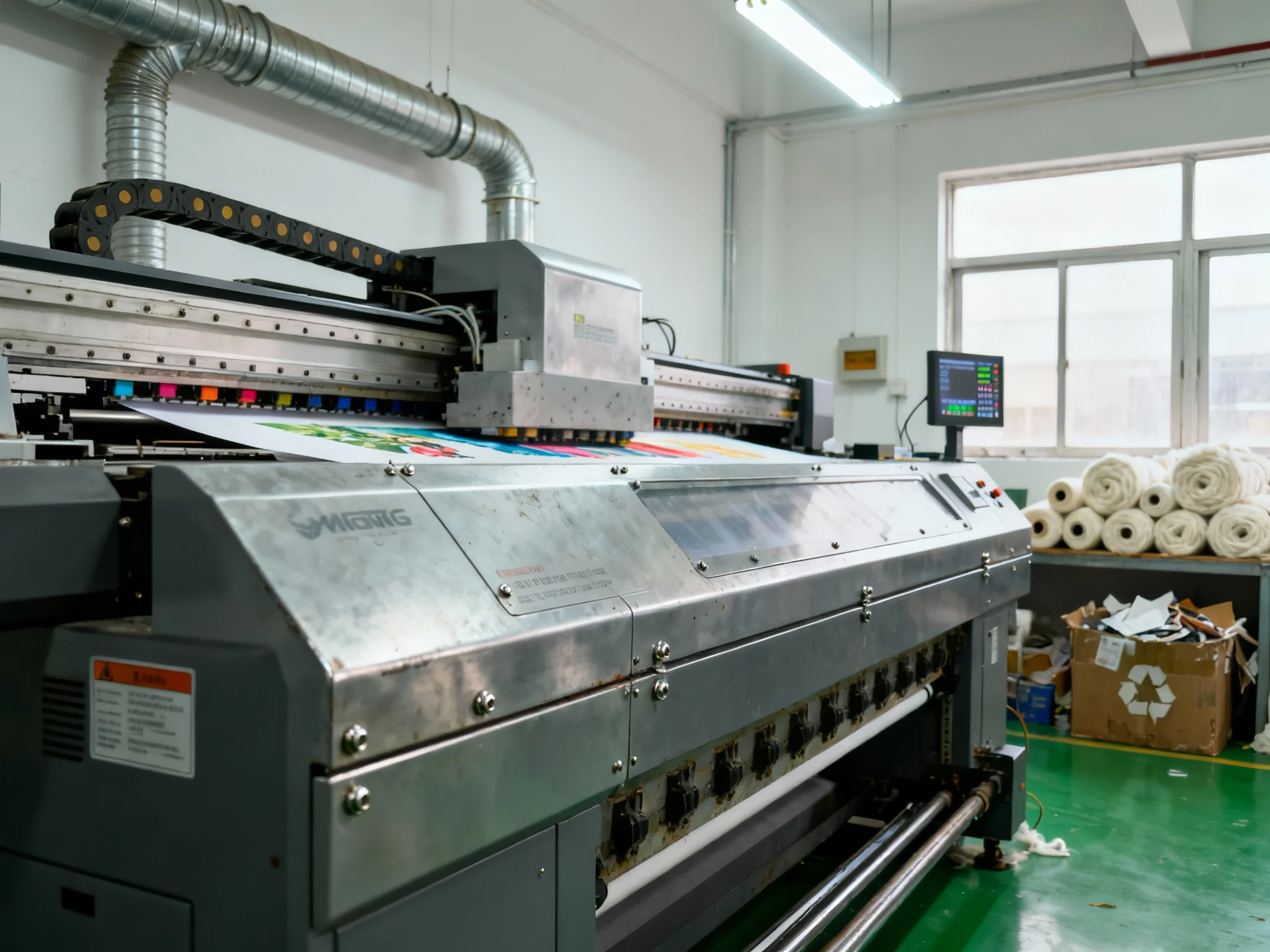
In manufacturing operations, the company has implemented cutting-edge green technologies specifically addressing the traditional environmental challenges of textile production. Water-based inks have completely replaced solvent-based alternatives in printing processes, eliminating hazardous volatile organic compounds (VOCs) while achieving superior color vibrancy and longevity. Meanwhile, sophisticated heat recovery systems capture and reuse energy from drying processes, reducing overall energy consumption by approximately 28% compared to conventional production methods.
Most innovative is FENNYSUN's comprehensive approach to water management—a critical sustainability concern in textile manufacturing. Production facilities employ advanced closed-loop water systems that treat and recirculate process water, reducing freshwater intake by an impressive 70%. State-of-the-art filtration technologies effectively remove dye particles and chemicals, allowing for continuous water reuse while preventing contamination of local water sources. These systems not only reduce environmental impact but also create operational cost efficiencies that support long-term sustainability.
The commitment to ethical production extends beyond environmental considerations to encompass the human element of manufacturing. FENNYSUN maintains rigorous standards for worker welfare, including fair compensation, safe working conditions, and comprehensive professional development opportunities. By investing strategically in its workforce, the company has achieved exceptional quality control and employee retention rates, creating a virtuous cycle where ethical practices translate directly to product excellence.
Market Positioning and Competitive Advantage in Sustainable Luxury
In the increasingly crowded sustainable luxury market, FENNYSUN has successfully carved a distinctive position by emphasizing the harmonious integration of environmental responsibility and uncompromising quality—a strategy that resonates particularly well with the brand's target partners in boutique retail and fashion branding.
This competitive differentiation stems from three strategic pillars addressing key market demands identified in 2025 industry analysis. First, FENNYSUN's unwavering commitment to material transparency provides retail partners with compelling storytelling opportunities that connect authentically with environmentally conscious consumers. Detailed material sourcing documentation and production journey narratives enable retailers to communicate sustainability credentials with credibility, enhancing product perceived value and justifying premium pricing strategies.
Second, the brand's steadfast dedication to artisanal quality directly addresses the growing consumer backlash against fast fashion's disposable aesthetic. Each FENNYSUN scarf undergoes meticulous hand-finishing processes ensuring exceptional durability and attention to detail, creating products explicitly designed for longevity rather than seasonal obsolescence. This focus on timeless quality aligns perfectly with the sustainable consumption ethos while satisfying luxury customers' exacting expectations for craftsmanship.
Third, FENNYSUN offers unparalleled customization capabilities that allow retail partners to develop exclusive, sustainable collections tailored precisely to specific market segments. This flexibility enables boutiques to differentiate their offerings while leveraging FENNYSUN's established sustainable production infrastructure—a combination that has proven particularly valuable in the 2025 market where personalization and sustainability increasingly drive purchasing decisions.
Market feedback consistently shows these strategic differentiators translate to tangible business benefits. Retail partners report stronger customer engagement with FENNYSUN's sustainable collections, with sales data indicating higher average transaction values and improved inventory turnover rates compared to conventional luxury scarf lines. Most significantly, the brand has successfully attracted partnerships with progressive fashion labels seeking sustainable manufacturing partners without compromising design integrity or quality standards.
Implementation Framework for Retail Partners: From Concept to Commercial Success
For boutique owners and fashion brands considering sustainable scarf offerings, FENNYSUN provides a structured collaboration framework that streamlines integration while maximizing the market impact of sustainable products. Drawing on the brand's decades of manufacturing experience and current industry insights, this comprehensive approach addresses common implementation challenges while leveraging emerging opportunities in sustainable luxury.
The collaboration process begins with a comprehensive needs assessment that aligns FENNYSUN's capabilities with partner objectives. This includes detailed analysis of target market preferences, brand aesthetic requirements, and sustainability priorities to ensure the resulting product collection resonates with both ethical values and commercial viability. For partners new to sustainable accessories, FENNYSUN provides educational resources on material benefits, certification standards, and effective consumer communication strategies—knowledge transfer that strengthens the partner's overall sustainability positioning.
Material and design selection follows a curated consultation process that balances sustainability with market appeal. FENNYSUN's design team presents material options with detailed environmental impact profiles, empowering partners to make informed choices that align with their brand values. The brand's extensive library of sustainable patterns and prints—updated seasonally to reflect emerging trends—provides a creative foundation for customization, allowing partners to maintain brand consistency while leveraging FENNYSUN's specialized sustainable production capabilities.
Production and delivery are optimized through flexible manufacturing models that accommodate the varying scale needs of retail partners. Small-batch production runs minimize inventory risk while enabling exclusive collections—particularly valuable for boutique partners with limited shelf space. FENNYSUN's global logistics network includes carbon-offset shipping options, ensuring sustainability commitments extend through to the final delivery stage. The brand's commitment to transparent communication provides partners with real-time production timelines, quality control processes, and sustainability metrics that enhance overall supply chain visibility.
Perhaps most valuable for retail partners is FENNYSUN's comprehensive market support package, which includes professionally developed digital assets, sustainability storytelling content, and point-of-purchase materials designed specifically to educate consumers and drive conversion. These resources—developed based on extensive 2025 consumer research highlighting key sustainability purchasing triggers—enable partners to effectively communicate product values and justify premium pricing in a crowded marketplace.
Future Directions in Sustainable Luxury Scarf Manufacturing: Innovations on the Horizon
As the sustainable luxury market continues to evolve, FENNYSUN has positioned itself at the forefront of emerging trends and technologies that promise to further redefine eco-friendly scarf production. Based on detailed industry forecasts and the brand's own research and development trajectory, several key directions are emerging that will shape the future of sustainable accessory manufacturing.
Material innovation represents perhaps the most significant opportunity for advancement. FENNYSUN's dedicated R&D team is actively exploring strategic partnerships with biotechnology companies developing lab-grown textile fibers that replicate the luxury characteristics of silk and cashmere without the environmental impact of traditional production. Early prototypes incorporating mycelium-based materials show particular promise, offering similar drape and texture properties with significantly lower resource requirements. These next-generation materials could potentially enter commercial production as early as 2026, providing partners with access to cutting-edge sustainable luxury options.
Technological integration is another area of focused development. The brand is making substantial investments in advanced digital printing technologies that reduce water and ink consumption while enabling more intricate designs and shorter production runs. These advancements will enhance customization capabilities while further reducing environmental impact—a dual benefit that aligns perfectly with both sustainability goals and market demands for personalized products. Additionally, blockchain technology implementation will soon provide unprecedented supply chain transparency, allowing consumers to trace each scarf's journey from raw material to finished product through a simple QR code scan.
Circular economy principles are increasingly shaping product design and business models at FENNYSUN. The brand is actively developing take-back programs that allow customers to return worn scarves for recycling into new materials or repurposing into complementary accessories. Early pilot programs with select retail partners have demonstrated strong consumer interest, with participants citing both environmental values and brand loyalty as key motivations. Looking forward, these circular initiatives may evolve into innovative subscription models that further align with emerging consumption patterns emphasizing access over ownership.
Finally, FENNYSUN is exploring expanded certification frameworks that address the full spectrum of sustainability concerns. Beyond current material certifications, the brand is working toward comprehensive measurement of social impact metrics, including fair labor practices, community development, and equitable distribution of value throughout the supply chain. These enhanced certification standards will position partners at the leading edge of ethical luxury as consumer expectations for transparency continue to rise.
Conclusion: The Sustainable Luxury Imperative—Redefining Success in the 2025 Market and Beyond
The intersection of luxury and sustainability represents not merely a passing market trend but a fundamental reorientation of consumer values and industry practices—one that FENNYSUN has not only embraced but advanced through three decades of intentional evolution. This case study demonstrates conclusively that environmental responsibility and uncompromising quality need not exist in tension; rather, they can combine to create a powerful competitive advantage that resonates with today's discerning consumers and forward-thinking retail partners.
For boutique owners and fashion brands evaluating sustainable scarf offerings, the key insights are clear: authentic sustainability requires comprehensive commitment throughout the value chain, spanning from initial material selection to production processes to end-of-life considerations. By prioritizing transparency, investing in innovative technologies, and honoring artisanal traditions, brands can create products that satisfy both ethical imperatives and luxury expectations—proving that sustainability can enhance rather than compromise luxury positioning.
As consumer awareness continues to grow and regulatory frameworks evolve, integrating environmental and social responsibility will likely become not merely a competitive advantage but a basic market requirement. Retail partners aligning with this trajectory now stand to benefit from first-mover advantage, building customer loyalty and brand equity that will only strengthen as sustainability becomes increasingly central to purchasing decisions across all market segments.
The future of luxury scarf manufacturing lies in harmonizing tradition with innovation, exclusivity with accessibility, and aesthetic excellence with environmental stewardship. For those willing to embrace this complex balancing act, the rewards—both ethical and commercial—are substantial. As 2025 market data clearly indicates, the future of luxury is sustainable, and that future is already here.