In today's hyper-competitive textile manufacturing landscape, unplanned downtime represents more than just a production interruption—it directly impacts profitability, customer satisfaction, and market position. As an industry professional with extensive experience implementing Industry 4.0 solutions in textile facilities worldwide, I've observed how traditional reactive maintenance approaches can consume up to 20% of total production time while failing to prevent catastrophic equipment failures. The emergence of AI-driven predictive maintenance has revolutionized this paradigm, enabling forward-thinking manufacturers to reduce unplanned downtime by an average of 48% while cutting maintenance costs by 25%—metrics that have become industry benchmarks for leaders in textile automation as we approach 2026.
The Hidden Costs of Downtime in Textile Manufacturing
The textile industry faces unique equipment maintenance challenges, with machinery operating under varying conditions that directly affect product quality. From spinning frames and looms to dyeing equipment and finishing machines, each production line component presents distinct failure risks that can cascade through the entire manufacturing process. Traditional maintenance strategies—whether purely reactive or based on fixed schedules—have proven inadequate for addressing these complex challenges.
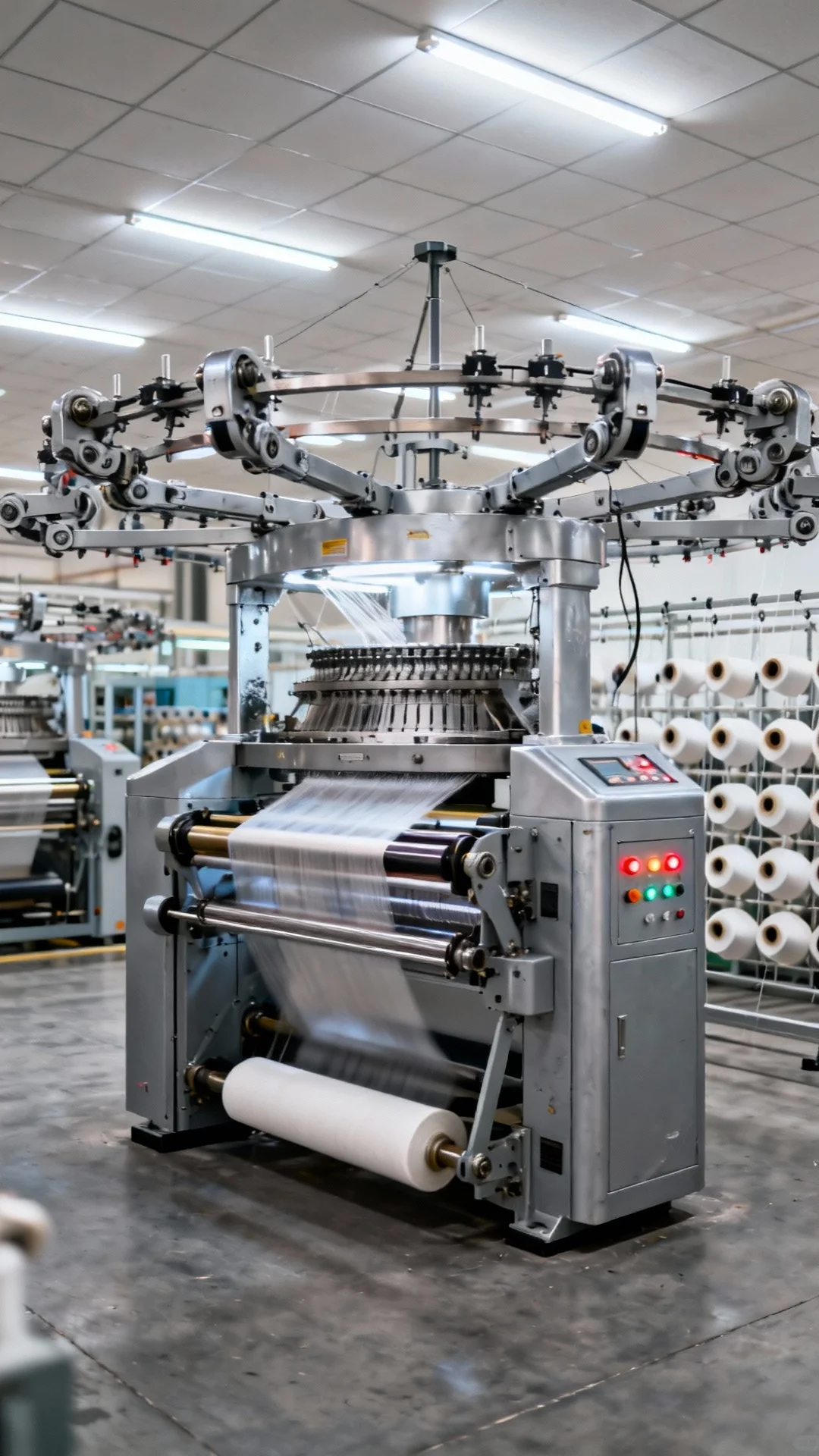
Industry data reveals the staggering financial impact of unplanned downtime in textile production. According to recent manufacturing reports, unplanned equipment failures can cost textile manufacturers an average of $22,000 per minute in lost production, with some facilities losing up to 20% of total production time to downtime incidents. A 2025 analysis by Textile School found textile machinery breakdowns typically result in production losses ranging from 15-30% of total capacity, with the most severe incidents leading to complete production line shutdowns lasting days or even weeks.
Beyond direct production losses, downtime in textile manufacturing creates a ripple effect throughout the supply chain. Missed delivery deadlines can damage long-term customer relationships, while rushed recovery production often compromises quality control standards. Perhaps most concerning is the hidden cost of equipment degradation—machinery operating under suboptimal conditions produces inconsistent products, increases energy consumption by up to 15%, and significantly shortens equipment lifespan.
The specific challenges faced by textile manufacturers make this sector particularly vulnerable to downtime impacts. The industry's seasonal production cycles, tight profit margins averaging just 3-5%, and increasing demand for rapid order fulfillment create a perfect storm where even minor disruptions can have major financial consequences. These realities have driven leading textile producers to embrace AI-powered predictive maintenance as a strategic necessity rather than an optional upgrade.
How AI Predictive Maintenance Revolutionizes Textile Production
The textile industry's unique manufacturing environment—characterized by high-speed machinery, variable material properties, and complex production processes—requires specialized approaches to predictive maintenance. Unlike discrete manufacturing sectors with standardized components, textile machinery operates in conditions where vibration patterns, temperature fluctuations, and material feed variations create distinctive performance signatures that AI systems can learn to interpret.
At the core of effective AI predictive maintenance in textile facilities lies a sophisticated ecosystem of interconnected technologies working in harmony. IoT sensors strategically placed on critical machinery components continuously collect real-time operational data—from spindle vibration in spinning machines to tension levels in weaving looms and temperature profiles in dyeing equipment. This sensor network generates up to 500 data points per second per machine, creating the foundation for accurate predictive modeling.
Advanced machine learning algorithms process this vast data stream to identify subtle performance deviations that precede equipment failures. Convolutional Neural Networks (CNNs) analyze visual data from camera systems monitoring fabric quality, while Recurrent Neural Networks (RNNs) model temporal patterns in machine performance data to predict degradation trends. For circular knitting machines—a staple of fashion accessory production—specialized algorithms interpret acoustic signatures, detecting bearing wear and cam defects weeks before traditional maintenance methods would identify these issues.
The implementation of these technologies follows a structured progression refined through industry experience. Leading textile manufacturers typically begin with a pilot program focusing on their most critical production assets—often dyeing machines and high-speed looms that represent the highest downtime risk. This phased approach allows for the development of customized AI models tailored to specific machinery and production conditions, while generating quick wins that build organizational support for broader implementation.
One particularly innovative application of AI predictive maintenance in textile manufacturing involves integrating material science data into predictive models. By correlating fiber characteristics, humidity levels, and machine performance metrics, these advanced systems predict not just mechanical failures but also quality degradation in finished products. This capability proves especially valuable for manufacturers producing high-value fashion accessories where consistency and defect prevention are paramount.
The transformation enabled by these technologies extends beyond mere maintenance scheduling. By continuously analyzing equipment performance data, AI systems also optimize maintenance activities themselves—recommending specific lubrication types based on operating conditions, adjusting cleaning schedules according to material contamination levels, and even suggesting equipment modifications that prevent recurring issues. This holistic approach helps forward-thinking textile manufacturers achieve not just reduced downtime but also improved product quality, with defect rates decreasing by an average of 23% in facilities with mature AI predictive maintenance implementations.
Real-World Impact: Textile Industry Case Studies
The practical application of AI predictive maintenance in textile manufacturing has yielded transformative results across diverse production environments, from large-scale fabric producers to specialized fashion accessory manufacturers. These real-world implementations demonstrate the technology's adaptability and the significant competitive advantages it can deliver when properly executed.
One particularly compelling example comes from a leading Indian textile manufacturer specializing in high-end scarf production that implemented an AI-driven predictive maintenance solution across 12 production facilities. The company deployed a comprehensive sensor network across its circular knitting machines, looms, and finishing equipment, collecting vibration, temperature, acoustic, and electrical performance data. Machine learning algorithms were trained on historical maintenance records, production data, and quality metrics to develop customized predictive models for each machine type. Within six months of implementation, the manufacturer achieved a 42% reduction in unplanned downtime and a 31% decrease in maintenance costs. Most significantly, the system's ability to predict quality issues before they occurred resulted in a 28% reduction in scarf defects, directly improving customer satisfaction and reducing waste in a product category where material costs represent up to 60% of total production expenses.
Another noteworthy implementation occurred at a European textile facility producing luxury fashion accessories for global brands. Faced with increasing pressure to reduce lead times while maintaining premium quality standards, the company invested in an AI predictive maintenance platform integrated with its ERP and quality management systems. The solution's advanced analytics capabilities identified previously unrecognized correlations between maintenance activities and product quality metrics. For instance, the system discovered that specific bearing wear patterns in weaving machines correlated with subtle texture variations in finished scarves—issues that had previously required intensive manual inspection to detect. By addressing these maintenance issues proactively, the facility reduced quality control costs by 35% while improving on-time delivery rates from 82% to 96%.
A particularly innovative application emerged at a vertically integrated textile manufacturer that combined AI predictive maintenance with digital twin technology. By creating virtual replicas of its production lines, the company could simulate the impact of maintenance interventions before implementing them, optimizing scheduling to minimize production disruptions. This approach proved especially valuable during peak production seasons, enabling the manufacturer to reduce planned downtime by 40% while still completing all necessary preventive maintenance activities. The digital twin environment also served as a training platform for maintenance technicians, accelerating their familiarity with new equipment and procedures.
These case studies reveal several common success factors that distinguish effective AI predictive maintenance implementations in the textile industry. Each successful deployment began with a clear understanding of business objectives beyond just reducing downtime—whether improving quality, reducing environmental impact, or enhancing customer responsiveness. They also involved cross-functional teams combining maintenance expertise, data science capabilities, and production knowledge to ensure solutions addressed real operational challenges. Most importantly, these manufacturers viewed AI predictive maintenance not as a standalone technology but as an integral component of broader digital transformation strategies that encompassed everything from supply chain management to customer relationship optimization.
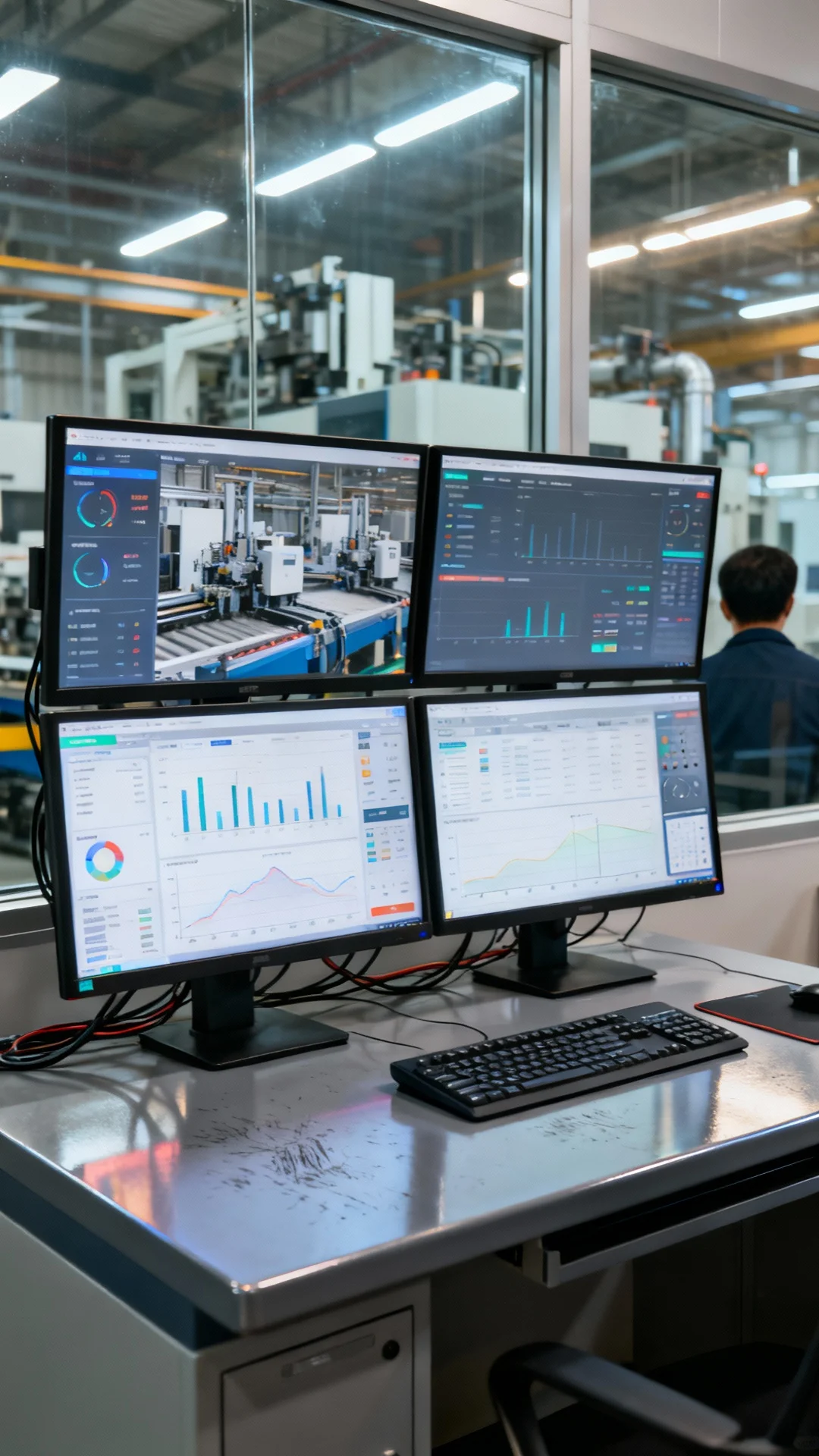
The measurable results from these implementations—typically delivering ROI within 12-18 months and payback periods as short as 8 months for high-value production lines—have established AI predictive maintenance as a proven competitive advantage in the textile industry. As these technologies continue to mature and implementation costs decrease, they are rapidly transitioning from cutting-edge innovations to essential operational requirements for textile manufacturers competing in the global fashion accessories market.
Implementing AI Predictive Maintenance in Your Textile Facility
Successfully implementing AI predictive maintenance in a textile manufacturing environment requires a strategic approach that addresses the industry's unique challenges while building on proven best practices developed through years of practical experience. The process begins not with technology selection but with a thorough assessment of current maintenance practices, production priorities, and business objectives—a foundational step shown to increase implementation success rates by up to 40%.
The first practical step involves conducting a comprehensive asset criticality analysis to identify which machines will deliver the highest return on investment when equipped with predictive maintenance capabilities. In fashion accessory production facilities, this typically includes circular knitting machines, warp knitting equipment for lace production, and specialized finishing machines that are both expensive to repair and critical to production schedules. This analysis should consider not just equipment replacement costs but also the impact of downtime on customer relationships, seasonal production windows, and overall operational efficiency.
Following this assessment, textile manufacturers should develop a phased implementation roadmap that balances quick wins with long-term strategic goals. Based on industry experience, the optimal approach typically involves three distinct phases spanning 12-18 months. The initial pilot phase focuses on 2-3 critical machines, allowing the organization to develop internal expertise, validate ROI, and refine data collection processes without overwhelming existing maintenance teams. The second phase expands deployment to additional machines while integrating the predictive maintenance system with existing ERP and CMMS platforms. The final phase achieves enterprise-wide integration, leveraging cross-machine analytics to optimize maintenance resource allocation and production scheduling across the entire facility.
Selecting the right technology partners represents a critical decision point requiring careful consideration of textile-specific requirements. The ideal solution should offer pre-built connectors for common textile machinery brands like Saurer, Toyota Industries, and Picanol, reducing integration complexity. It should also provide specialized analytics modules for textile processes—such as yarn tension monitoring and fabric defect prediction—that generic industrial IoT platforms lack. When evaluating vendors, textile manufacturers should prioritize those with proven industry experience, requesting specific case studies demonstrating measurable downtime reductions in similar production environments.
Data management considerations are particularly important in textile facilities, where harsh operating conditions can affect sensor performance and data quality. Maintenance teams should develop clear protocols for sensor calibration, data validation, and edge computing configuration to ensure reliable performance. In dusty environments like spinning facilities, specialized enclosures and regular cleaning schedules for sensors are essential. The data governance framework should address both technical requirements—such as sampling frequencies and storage protocols—and organizational factors including data ownership, access policies, and integration with existing quality management systems.
Change management represents perhaps the most overlooked aspect of successful AI predictive maintenance implementation in textile manufacturing. Based on industry research, organizations that invest in comprehensive training programs for maintenance technicians achieve 35% higher adoption rates than those that focus solely on technical implementation. These training programs should address both the technical skills required to operate the new systems and the conceptual shift from reactive to proactive maintenance thinking. Creating cross-functional teams combining maintenance expertise, data analysis skills, and production knowledge has proven particularly effective in driving sustainable change in textile manufacturing environments.
Finally, establishing clear metrics for success is essential for maintaining organizational commitment to the predictive maintenance program. Key performance indicators should include both operational metrics—such as downtime reduction percentages, maintenance cost changes, and mean time between failures—and business outcomes including quality improvement, on-time delivery rates, and inventory levels. Regular review of these metrics with stakeholders at all levels ensures that the program continues to deliver value while identifying opportunities for further optimization.
The implementation journey for AI predictive maintenance in textile manufacturing is not without challenges, but the rewards are substantial for organizations willing to make the commitment. Industry benchmarks show that textile facilities completing full implementation typically achieve 35-45% reduction in unplanned downtime, 20-30% reduction in maintenance costs, and 15-25% improvement in overall equipment effectiveness within the first two years. For fashion accessory manufacturers operating in an increasingly competitive global market, these improvements can represent the difference between market leadership and obsolescence.
Future Trends and Competitive Advantage in Textile Manufacturing
The rapidly evolving landscape of AI predictive maintenance in textile manufacturing promises to deliver even greater transformative potential as emerging technologies mature and industry adoption deepens. Forward-thinking textile producers are already positioning themselves to leverage these advancements, recognizing that predictive maintenance has evolved from an operational efficiency tool to a strategic competitive differentiator in the global fashion accessories market.
One of the most significant emerging trends is the integration of digital twin technology with predictive maintenance systems, creating virtual replicas of production lines that enable sophisticated "what-if" scenario planning. Early adopters in the textile industry have reported using these digital models to optimize maintenance schedules around production peaks, simulate the impact of equipment upgrades before implementation, and even train maintenance technicians in virtual environments that replicate actual machine behaviors. A 2025 industry survey found that textile manufacturers using digital twin technology in conjunction with AI predictive maintenance achieved 28% higher equipment uptime than those using traditional predictive maintenance approaches alone.
The convergence of AI predictive maintenance with sustainability initiatives represents another powerful trend reshaping textile manufacturing. Leading facilities are using their predictive maintenance data to optimize energy consumption, with AI algorithms identifying not just equipment failure risks but also efficiency improvement opportunities. For example, by analyzing motor performance data from dyeing machines, these systems can recommend operating parameter adjustments that reduce energy usage by 12-15% while maintaining production quality. This capability has become increasingly valuable as brands and consumers demand greater environmental responsibility throughout the supply chain, with sustainability metrics now influencing purchasing decisions for 73% of fashion retailers according to recent market research.
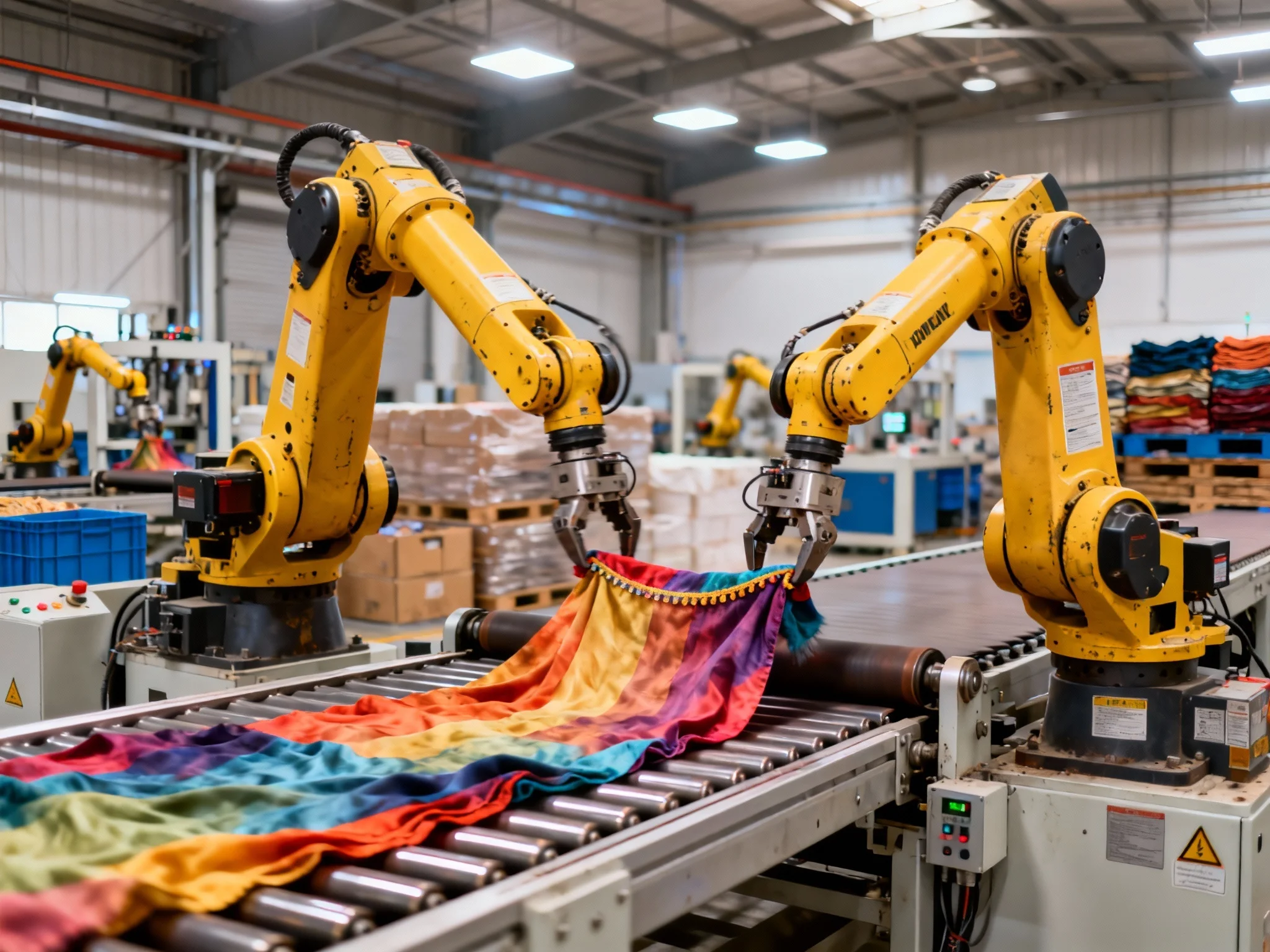
The growing availability of low-cost edge computing devices is democratizing access to advanced predictive maintenance capabilities, allowing mid-sized textile manufacturers to implement solutions that were previously only feasible for large enterprises. These compact, powerful devices can process sensor data locally—reducing bandwidth requirements and latency—while still delivering sophisticated analytics capabilities. This trend is particularly significant for fashion accessory manufacturers, many of which operate smaller production facilities specializing in niche products but still face the same downtime challenges as larger producers.
Perhaps most transformative is the emergence of collaborative AI systems that connect maintenance knowledge across the textile industry. These platforms aggregate anonymized performance data from multiple facilities, enabling benchmarking and the development of industry-wide failure prediction models while protecting individual manufacturers' proprietary information. Early participants in these collaborative networks have reported 30% faster model accuracy improvements than those relying solely on internal data, accelerating the learning curve for AI predictive maintenance implementation.
As these technologies continue to evolve, the competitive landscape for textile manufacturing will increasingly separate companies into two distinct categories: those leveraging AI predictive maintenance to achieve unprecedented levels of reliability, quality, and efficiency; and those struggling with outdated maintenance approaches that result in higher costs, inconsistent quality, and missed delivery deadlines. For fashion accessory manufacturers operating in a market where brand reputation depends on consistent quality and on-time delivery, the strategic imperative to embrace these advancements has never been clearer.
The textile industry's future belongs to manufacturers who view AI predictive maintenance not as a one-time technology implementation but as an ongoing journey of operational excellence. Those who successfully integrate these capabilities into their organizational culture will not only reduce downtime and maintenance costs but will also gain the agility to respond quickly to changing market demands—a critical advantage in an industry where consumer preferences evolve rapidly and production schedules grow increasingly compressed.
Building a Resilient Textile Production Future
The integration of AI predictive maintenance into textile manufacturing represents far more than a technological upgrade—it signifies a fundamental shift in how textile producers approach operational excellence and competitive strategy. As our exploration of this transformative approach has demonstrated, the tangible benefits—48% average reduction in unplanned downtime, 25% maintenance cost reduction, and 23% improvement in product quality—have established this technology as a strategic necessity rather than an optional investment for textile manufacturers competing in today's global market.
For fashion accessory producers specifically, implementing AI predictive maintenance offers a pathway to address the unique challenges of their sector. The industry's seasonal demand fluctuations, premium quality requirements, and increasing pressure for rapid order fulfillment create an environment where production disruptions have outsized consequences. By leveraging the predictive capabilities and operational insights provided by these advanced systems, accessory manufacturers can achieve the dual objectives of reliability and flexibility that modern market conditions demand.
The journey toward AI-powered maintenance excellence is not without challenges, as we've explored through implementation case studies and best practices. The initial investment requirements, technical complexity, and organizational change management involved require careful planning and executive commitment. However, the growing body of industry evidence—from large-scale textile producers to specialized accessory manufacturers—consistently demonstrates that these challenges are surmountable and that the return on investment typically justifies the effort within 12-18 months.
Looking ahead to the rapidly evolving landscape of textile manufacturing, we can anticipate that AI predictive maintenance will continue to mature and integrate with other Industry 4.0 technologies, creating even more powerful opportunities for operational optimization. The convergence of predictive maintenance with digital twins, sustainability analytics, and collaborative AI networks will further elevate the performance bar for the industry, rewarding early adopters with significant competitive advantages.
For textile manufacturers still considering whether to embark on this journey, the question is no longer whether AI predictive maintenance can deliver value—industry data and case studies have definitively answered that question—but rather how quickly they can implement these capabilities before falling further behind competitors who are already reaping the benefits. The most successful implementations will be those that approach this transformation holistically, addressing not just the technical requirements but also the organizational culture and skill development needed to fully leverage these powerful technologies.
In an industry where margins are tight, quality standards are exacting, and customer expectations continue to rise, AI predictive maintenance stands out as one of the most impactful investments textile manufacturers can make to ensure long-term competitiveness and profitability. By transforming maintenance from a reactive cost center into a proactive driver of operational excellence, forward-thinking textile producers are building a foundation for resilience and success in an increasingly challenging global market.
The future of textile manufacturing belongs to those who embrace this data-driven approach to maintenance and operational excellence. As the industry continues to evolve, the ability to predict, prevent, and optimize will separate the market leaders from the also-rans, with AI predictive maintenance serving as a critical differentiator in the quest for manufacturing excellence.