In today's rapidly evolving textile landscape, artificial intelligence has emerged as a transformative force in quality control processes. As an industry professional with extensive experience in textile manufacturing and technology integration, I've witnessed firsthand how AI-powered systems are revolutionizing quality assurance in smart textile factories worldwide. This comprehensive analysis explores the cutting-edge advancements, practical applications, and tangible benefits of AI in textile quality control, providing valuable insights for fashion brands, manufacturers, and retailers seeking to enhance supply chain integrity and product excellence through textile automation.
The Evolution of Textile Quality Control: From Manual Inspection to AI-Powered Precision
The textile industry has long grappled with quality control challenges that impact brand reputation and profitability. Traditional manual inspection methods, once the industry standard, contain inherent limitations that compromise efficiency and accuracy. These limitations include subjective judgment variability, fatigue-related errors, and inconsistent defect classification standards—issues that often result in quality inconsistencies and customer dissatisfaction.
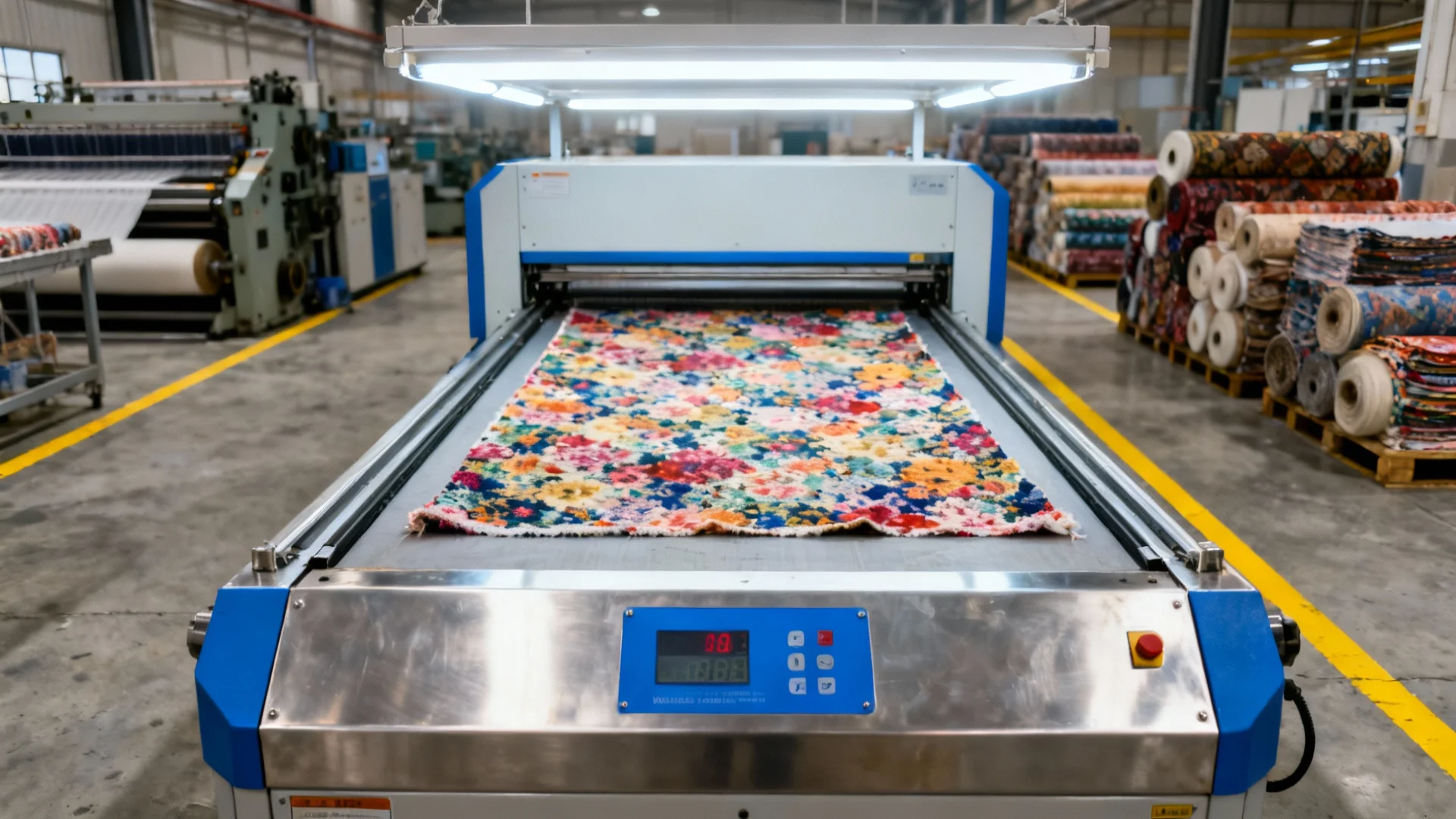
The Limitations of Traditional Inspection Methods
Manual textile inspection typically achieves only 60-70% accuracy, with defect detection heavily dependent on individual inspector expertise and concentration levels. Industry research shows that after just 30 minutes of continuous inspection, human error rates increase by approximately 25%. By the end of an 8-hour shift, defect detection rates can drop below 50%. This variability not only affects product quality but also creates significant waste as over-inspection and under-inspection both lead to unnecessary material usage and production delays.
Traditional methods also struggle to keep pace with modern production speeds. A skilled inspector can examine 15-20 meters of fabric per minute, while advanced textile machinery produces fabric at rates exceeding 100 meters per minute. This mismatch creates bottlenecks in the production process and increases the likelihood of defective products reaching consumers—a risk that grows exponentially with today's global supply chains.
The AI Revolution in Textile Quality Control
The integration of artificial intelligence into textile quality control has addressed these longstanding challenges by introducing unprecedented precision, consistency, and efficiency. As of 2025, AI-powered quality control systems achieve defect detection accuracy rates exceeding 99%, with specialized solutions reaching 99.8% accuracy for specific fabric types. This represents a transformative improvement over manual methods and has become a critical competitive advantage for forward-thinking textile manufacturers implementing smart textile factory concepts.
AI quality control systems utilize advanced machine learning algorithms, high-resolution imaging, and real-time processing capabilities to identify even the most subtle fabric defects. These sophisticated systems detect a wide range of issues including:
- Surface defects: Holes, stains, snags, and foreign matter
- Color inconsistencies: Shade variations, color bleeding, and dyeing irregularities
- Structural issues: Broken threads, missing stitches, and pattern misalignments
- Texture problems: Pilling, uneven weaves, and density variations
By continuously analyzing production data, these AI systems learn and adapt over time, improving detection capabilities and reducing false positives. This adaptive learning ensures quality control processes remain effective even as production materials, designs, and requirements evolve—a critical capability in today's fast-paced fashion industry.
Key AI Technologies Transforming Textile Quality Control
Successful implementation of AI in textile quality control relies on the sophisticated integration of multiple technologies working together to create a comprehensive inspection ecosystem. These technologies have evolved rapidly in recent years, becoming more accessible, affordable, and effective for textile applications within the framework of AI in manufacturing.
Computer Vision Systems and Advanced Imaging
Computer vision technology sits at the core of AI-powered quality control, enabling machines to "see" and interpret visual information from fabric surfaces. Modern systems employ high-resolution cameras with resolutions ranging from 5MP to 25MP, capturing intricate details at production line speeds. These cameras often pair with specialized lighting systems—including LED arrays, polarized lighting, and multi-spectral illumination—to highlight subtle defects that might otherwise go undetected.
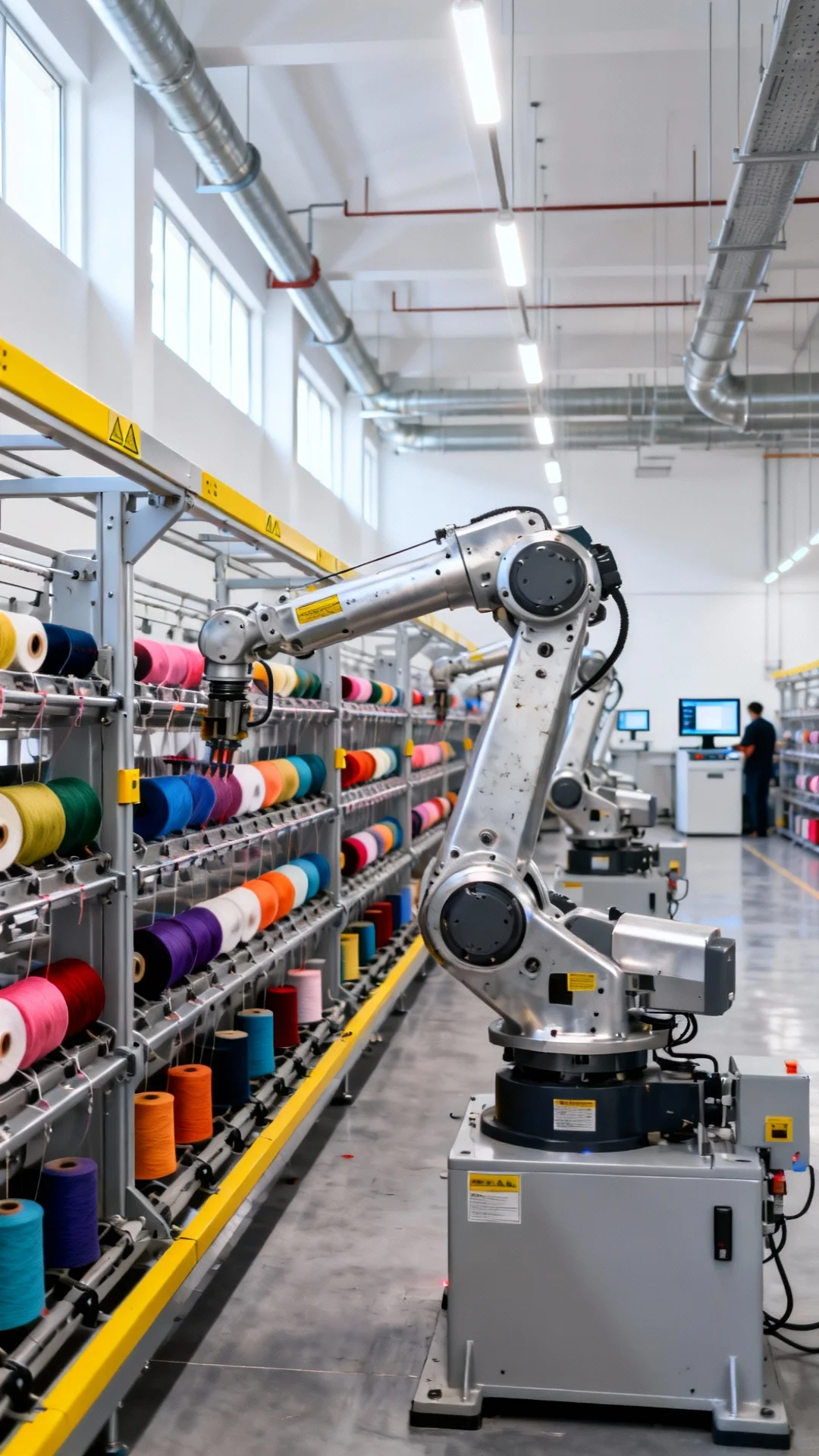
The latest generation of inspection cameras, such as those showcased at ITMA ASIA 2025, feature:
- High-speed imaging: Processing up to 1,000 frames per second
- Multi-angle viewing: Multiple camera arrays capturing images from different perspectives
- 3D surface mapping: Laser profilometry for detecting height variations and texture defects
- Spectral analysis: Capturing non-visible wavelengths to identify subsurface defects
These advanced imaging systems generate vast amounts of visual data requiring powerful processing capabilities for real-time analysis—a challenge being met through innovations in both hardware and software.
Machine Learning Algorithms for Defect Detection
The true power of AI quality control lies in sophisticated machine learning algorithms that analyze visual data from imaging systems. These algorithms have evolved significantly, with convolutional neural networks (CNNs) and transformer-based models now dominating the field for their ability to recognize complex patterns and subtle defects.
In 2025, the most advanced textile inspection systems utilize:
- Deep learning architectures: Customized CNN models trained on millions of defect examples
- Transfer learning: Leveraging pre-trained models adapted to specific textile types
- Anomaly detection: Identifying deviations from normal patterns without explicit defect examples
- Few-shot learning: Adapting to new defect types with minimal training samples
One notable advancement is the integration of YOLO (You Only Look Once) v11 architecture, enabling real-time defect detection at production speeds exceeding 200 meters per minute. This allows for inline inspection where defects are identified and addressed immediately, rather than in post-production audits—a critical capability for maintaining efficiency in robotic production systems.
IoT Integration and Real-Time Monitoring
AI quality control systems increasingly integrate with Internet of Things (IoT) networks, creating smart factory environments where quality data flows seamlessly across production lines. IoT textile monitoring through sensors embedded in textile machinery collects operational data that, combined with AI analysis, provides comprehensive quality assurance.
Key IoT integration points include:
- Machine condition monitoring: Vibration, temperature, and performance sensors predicting maintenance needs
- Environmental controls: Humidity, temperature, and lighting sensors maintaining optimal production conditions
- Material tracking: RFID and barcode systems tracing materials through production stages
- Energy management: Monitoring resource usage to identify quality correlations
This interconnected ecosystem enables predictive quality control, where potential issues are identified and addressed before resulting in defective products. For example, subtle changes in machine vibration patterns might indicate an impending mechanical issue affecting fabric quality, triggering preventative maintenance before defects occur—a hallmark of truly smart textile factory operations.
Practical Applications and Implementation Case Studies
The theoretical benefits of AI quality control are being validated through numerous real-world implementations across the textile industry. These case studies demonstrate the tangible impact of AI on quality metrics, operational efficiency, and business outcomes, particularly in the fashion accessories sector.
SME Transformation: German Textile Manufacturer's Journey
A compelling example comes from a family-owned German textile SME specializing in high-end scarf production, which implemented an AI-powered quality control system in 2024. The company faced challenges common to many mid-sized manufacturers: limited quality control staff, increasing customer demands for defect-free products, and pressure to reduce waste.
Their implementation of a computer vision system with deep learning algorithms yielded impressive results within the first year:
- Defect detection accuracy: Increased from 72% to 98.5%
- Inspection speed: Improved from 15 meters/minute to 120 meters/minute
- Waste reduction: 37% decrease in fabric waste due to earlier defect detection
- Labor efficiency: Quality control staff reallocated to higher-value tasks
The system paid for itself within 11 months through reduced waste, fewer customer returns, and improved production throughput. The company reported the AI system was particularly effective at detecting subtle color variations in printed scarf designs—a critical quality factor for their luxury brand customers.
Large-Scale Implementation: Asian Textile Conglomerate
On a larger scale, a leading Asian textile conglomerate implemented AI quality control across 12 production facilities, focusing on both apparel and home textiles. Their phased implementation approach provides valuable insights for organizations considering widespread AI adoption:
- Pilot phase: Initial implementation on high-value product lines
- Training program: Developing in-house expertise for system maintenance and optimization
- Standardization: Creating uniform quality standards across facilities
- Full deployment: Scaling to all production lines with centralized monitoring
The results included a 42% reduction in customer complaints, 28% increase in on-time deliveries, and 31% reduction in quality control costs. The conglomerate particularly noted improvements in detecting edge defects in scarf production, where traditional manual inspection often missed inconsistencies along fabric edges—a testament to the precision of AI-driven textile automation.
Emerging Technology: Low-Cost AI Inspection for SMEs
Recognizing the barrier of high implementation costs for smaller operations, several technology providers have introduced affordable AI quality control solutions tailored for SMEs. These systems leverage consumer-grade hardware with specialized software, bringing AI capabilities within reach of smaller manufacturers.
One such solution, showcased at the 2025 Textile Technology Expo, uses modified off-the-shelf cameras and edge computing devices to deliver 95% defect detection accuracy at a fraction of traditional system costs. Early adopters report ROI periods of 14-18 months, making AI accessible to a broader segment of the industry and democratizing access to smart textile factory capabilities.
Quantifiable Benefits: From Quality Improvement to Business Transformation
Adoption of AI quality control in textile manufacturing delivers a wide range of measurable benefits extending beyond simple defect reduction. These advantages impact multiple aspects of business operations, creating a compelling case for investment in this technology.
Quality and Accuracy Improvements
The most immediate and measurable benefit of AI quality control is the dramatic improvement in defect detection accuracy. Industry data from 2025 shows AI systems consistently outperform manual inspection across key metrics:
- Defect detection rate: AI systems achieve 98-99.5% accuracy compared to 60-70% for manual inspection
- False positive rate: Typically below 1% for AI systems, compared to 15-20% for manual methods
- Defect classification: AI systems can categorize defects into 20+ classes with 95%+ accuracy
- Consistency: AI performance remains stable over time, unaffected by fatigue or attention fluctuations
These improvements translate directly to better product quality and increased customer satisfaction. A study by the Textile Technology Institute found brands implementing AI quality control experienced a 40-60% reduction in customer returns related to manufacturing defects—a significant competitive advantage in today's quality-conscious market.
Operational Efficiency Gains
AI quality control systems significantly enhance production efficiency by enabling faster inspection, reducing rework, and optimizing resource utilization. Key efficiency metrics include:
- Inspection speed: AI systems operate at 5-10x the speed of manual inspection
- Inline correction: Real-time defect detection allows immediate process adjustments
- Labor optimization: Reducing quality control staffing requirements by 50-70%
- Throughput increase: 15-25% higher production volumes due to reduced inspection bottlenecks
For fashion accessories like scarves, where intricate patterns and color gradients require meticulous inspection, these efficiency gains are particularly valuable. AI systems maintain consistent quality standards even as production volumes fluctuate to meet seasonal demand—a critical capability in today's fast-paced fashion industry.
Cost Reduction and ROI
The financial benefits of AI quality control are substantial and multifaceted. While initial implementation costs can be significant, return on investment is typically realized within 12-24 months. Key cost-saving areas include:
- Waste reduction: 30-40% reduction in fabric waste due to earlier defect detection
- Labor savings: Reduced quality control staffing requirements
- Rework reduction: 50-70% decrease in time spent correcting defects
- Customer returns: 40-60% reduction in returns due to quality issues
- Brand protection: Avoiding costs associated with quality-related reputation damage
A 2025 industry survey found textile manufacturers implementing AI quality control reported an average ROI of 150-200% over three years. For high-value fashion accessories, where profit margins are higher and quality expectations more stringent, the return potential is even greater—making AI an essential investment for competitive textile automation.
Sustainability Benefits
Beyond operational and financial metrics, AI quality control contributes to the textile industry's sustainability goals by reducing waste and optimizing resource usage. Key sustainability impacts include:
- Material conservation: 30-40% reduction in fabric waste
- Energy efficiency: Optimized production processes reducing energy consumption by 15-20%
- Water conservation: Reduced reprocessing lowering water usage by 25-30%
- Carbon footprint: Streamlined production reducing emissions by 10-15%
These sustainability benefits grow more important as fashion brands and consumers prioritize environmentally responsible manufacturing practices. AI quality control enables more precise use of resources, aligning with circular economy principles and reducing the industry's environmental impact—a critical consideration for modern smart textile factory operations.
Implementation Challenges and Strategic Solutions
While the benefits of AI quality control are compelling, implementation presents significant challenges organizations must address to ensure successful adoption. These obstacles range from technical integration to organizational resistance, requiring a strategic approach to overcome.
Technical Integration Complexities
Integrating AI quality control systems with existing production infrastructure can be technically challenging, particularly in facilities with legacy equipment. Common technical hurdles include:
- System compatibility: Connecting new AI systems with older manufacturing equipment
- Data integration: Ensuring seamless data flow between inspection systems and production management software
- Network infrastructure: Supporting the high data volumes generated by vision systems
- Calibration requirements: Ensuring consistent performance across production lines
Strategic solutions to these challenges include:
- Phased implementation: Starting with standalone systems before full integration
- Middleware solutions: Using specialized software to bridge compatibility gaps
- Edge computing: Processing data locally to reduce network bandwidth requirements
- Standardized interfaces: Adopting industry-standard communication protocols
Working with experienced technology partners who understand both textile manufacturing and AI implementation is critical to navigating these technical challenges successfully in the context of textile automation.
Investment and Cost Considerations
The financial investment required for AI quality control remains a significant barrier for many organizations, particularly small and medium-sized enterprises. Total costs include:
- Hardware acquisition: Cameras, sensors, computing equipment
- Software licensing: AI platforms and specialized textile inspection applications
- Implementation services: System design, integration, and customization
- Training: Developing staff expertise to operate and maintain systems
- Ongoing support: Software updates, maintenance, and continuous improvement
To address these cost concerns, organizations are adopting innovative financing approaches:
- Leasing arrangements: Spreading costs over time with equipment leasing
- Subscription models: Paying monthly fees for software and support
- Phased deployment: Prioritizing high-return applications before full-scale rollout
- Government incentives: Taking advantage of grants and tax incentives for technology adoption
- ROI-focused implementation: Targeting systems with the fastest payback periods first
These strategies make AI quality control accessible to a broader range of organizations, enabling smaller manufacturers to compete with larger enterprises in terms of quality assurance capabilities through strategic textile automation investments.
Workforce Transition and Skill Development
The introduction of AI quality control systems necessitates significant workforce transitions, potentially creating resistance and requiring new skill development. Key workforce challenges include:
- Job role evolution: Shifting quality control staff from inspection to supervision and analysis
- Skill gaps: Developing technical expertise in AI system operation and maintenance
- Organizational resistance: Overcoming skepticism about technology replacing human judgment
- Change management: Ensuring smooth transition to new workflows and processes
Strategic approaches to workforce development include:
- Upskilling programs: Training existing staff in data analysis and system management
- Cross-functional teams: Combining technical and operational expertise
- Change management initiatives: Engaging employees in the transition process
- New hiring strategies: Recruiting data analysts and AI specialists to complement existing expertise
- Knowledge transfer: Capturing inspector expertise to train AI systems and develop new quality metrics
Organizations that view AI as augmenting rather than replacing human expertise tend to experience smoother transitions and higher adoption rates among existing staff—creating a more collaborative approach to quality control in the era of smart textile factory operations.
Future Trends and Emerging Developments
The field of AI quality control in textiles continues to evolve rapidly, with several emerging trends shaping the future of quality assurance in the industry. These developments promise to further enhance capabilities, reduce costs, and expand applications in textile automation.
Advanced Machine Learning Techniques
The next generation of AI quality control will leverage more sophisticated machine learning approaches to address current limitations. Key advancements on the horizon include:
- Generative AI: Creating synthetic defect examples to improve detection capabilities
- Multimodal learning: Combining visual data with other sensory inputs for comprehensive quality assessment
- Explainable AI: Providing transparency into AI decision-making processes for regulatory compliance
- Adversarial training: Making systems more robust against variations in lighting, fabric types, and production conditions
These advanced techniques will enable AI systems to handle more complex quality assessment tasks, including subjective quality attributes that currently require human judgment—further blurring the line between human and machine capabilities in quality control.
Integration with Digital Twins
The convergence of AI quality control with digital twin technology represents a significant advancement in textile manufacturing. Digital twins—virtual replicas of physical production systems—will enable:
- Virtual quality testing: Simulating quality scenarios before physical production
- Predictive quality control: Identifying potential issues through virtual modeling
- Root cause analysis: Using digital twins to diagnose quality problems in complex production processes
- Process optimization: Testing quality improvements in virtual environments before implementation
This integration, already being piloted by leading textile manufacturers, promises to shift quality control from reactive detection to proactive prevention—a fundamental transformation in how quality is managed in smart textile factory environments.
Edge AI and Decentralized Processing
The increasing power of edge computing devices enables more sophisticated AI processing at the point of inspection, reducing latency and bandwidth requirements. This trend toward decentralized processing offers several advantages for IoT textile monitoring:
- Real-time decision making: Immediate defect detection and classification without cloud latency
- Reduced data transmission: Processing locally to minimize bandwidth needs
- Enhanced privacy: Sensitive production data processed on-site
- Resilience: Operation independent of internet connectivity
Edge AI solutions are becoming increasingly accessible, with specialized chipsets designed specifically for vision processing applications in manufacturing environments—making powerful AI capabilities available even in remote production facilities.
Sustainability-Focused Quality Metrics
As sustainability becomes central to textile manufacturing, AI quality control systems are evolving to incorporate environmental metrics alongside traditional quality measures. Future systems will:
- Optimize material usage: Minimizing waste while maintaining quality standards
- Energy-efficient inspection: Reducing power consumption of quality control processes
- Carbon footprint analysis: Linking quality metrics to environmental impact
- Circular economy integration: Identifying opportunities for material reuse and recycling
This integration of quality and sustainability metrics will enable manufacturers to optimize for both product excellence and environmental responsibility simultaneously—a critical capability for the future of responsible textile production.
Strategic Recommendations for Implementation
For fashion brands and textile manufacturers looking to implement AI quality control systems, consider these strategic recommendations based on industry