In the realm of luxury fashion accessories, textile material selection serves as the cornerstone of product excellence, directly influencing quality perception, brand reputation, and customer satisfaction. With extensive experience in textile sourcing and product development, I've witnessed how strategic material choices can transform a simple scarf into a statement piece that embodies both timeless craftsmanship and cutting-edge innovation. This guide offers authoritative analysis of advanced textile materials for luxury scarves, providing fashion brands, boutiques, and specialty retailers with actionable insights for informed selection in 2025 and beyond.
The Evolution of Luxury Scarf Materials in 2025
The luxury textile industry stands at an exciting intersection where traditional craftsmanship meets revolutionary innovation. According to Textile Exchange's 2025 Materials Benchmark Report, the global market for advanced textile materials is projected to grow at 8.3% annually. This growth trajectory reflects escalating demand for sustainable luxury and performance-driven fabrics, signaling a profound shift in consumer expectations—today's luxury buyers seek products that seamlessly integrate aesthetic appeal, functional benefits, and environmental responsibility.
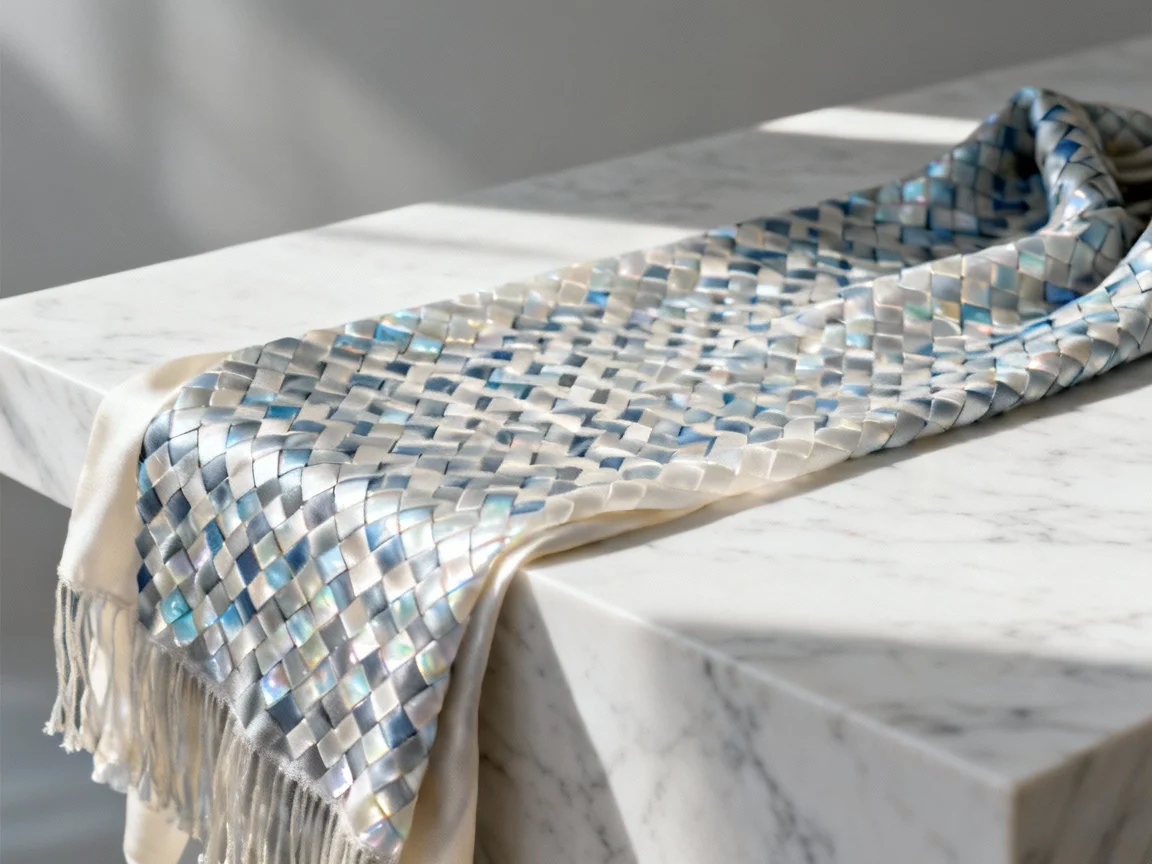
Three transformative trends are reshaping material selection for luxury scarves:
Sustainability as Standard - The industry has transcended sustainability as a mere marketing buzzword to embrace it as a core operational value. Textile Exchange reports a 23% year-over-year increase in eco-fiber adoption among luxury brands, with recycled silk and organic cashmere leading this transition. Consumer demand drives this paradigm shift—McKinsey's research indicates that 67% of high-net-worth individuals now prioritize sustainable materials when making luxury purchases.
Performance Enhancement - Technical innovations have elevated traditional luxury fibers to deliver superior performance characteristics. Modern finishing techniques now imbue natural fibers with properties once exclusive to synthetics: wrinkle resistance, UV protection, and advanced moisture management. Loro Piana's Spring/Summer 2025 collection exemplifies this progression with their Royal Lightness cashmere, which maintains exceptional softness while offering 30% improved durability over conventional cashmere.
Material Innovation - The boundaries between natural and synthetic fibers continue to blur, giving rise to hybrid materials that combine the most desirable properties of both categories. Innovations such as cellulose-silk blends and protein-enriched linen are expanding the creative possibilities for luxury scarf design. These advanced materials deliver enhanced drape, luster, and texture while upholding sustainability commitments.
Comprehensive Analysis of Premium Scarf Materials
Natural Luxury Fibers: Timeless Elegance with Modern Enhancements
Cashmere retains its position as the gold standard for luxury scarves, cherished for its exceptional softness, superior insulating properties, and natural drape. Finest cashmere fibers measure 14-16 microns in diameter—comparable to the finest human hair—and originate primarily from the underbellies of Hircus goats in Mongolia, Tibet, and Iran. The 2025 market recognizes three distinct quality grades:
- Grade A: 14-15 micron fiber diameter, commanding $110-130 per kilogram for raw material
- Grade B: 15-16 micron fiber diameter, priced at $90-105 per kilogram
- Grade C: 16-19 micron fiber diameter, available for $75-85 per kilogram
Recent advancements in sorting technology have significantly improved consistency. Leading producers like Loro Piana now employ AI-driven fiber selection to ensure uniform quality across production runs. Lightweight cashmere weaves (120-140 GSM) have expanded seasonal versatility, enabling cashmere scarves to transition seamlessly from winter warmth to spring layering.
Silk continues to captivate luxury markets with its natural luster and fluid drape. The 2025 silk market offers several specialized varieties tailored for scarf production:
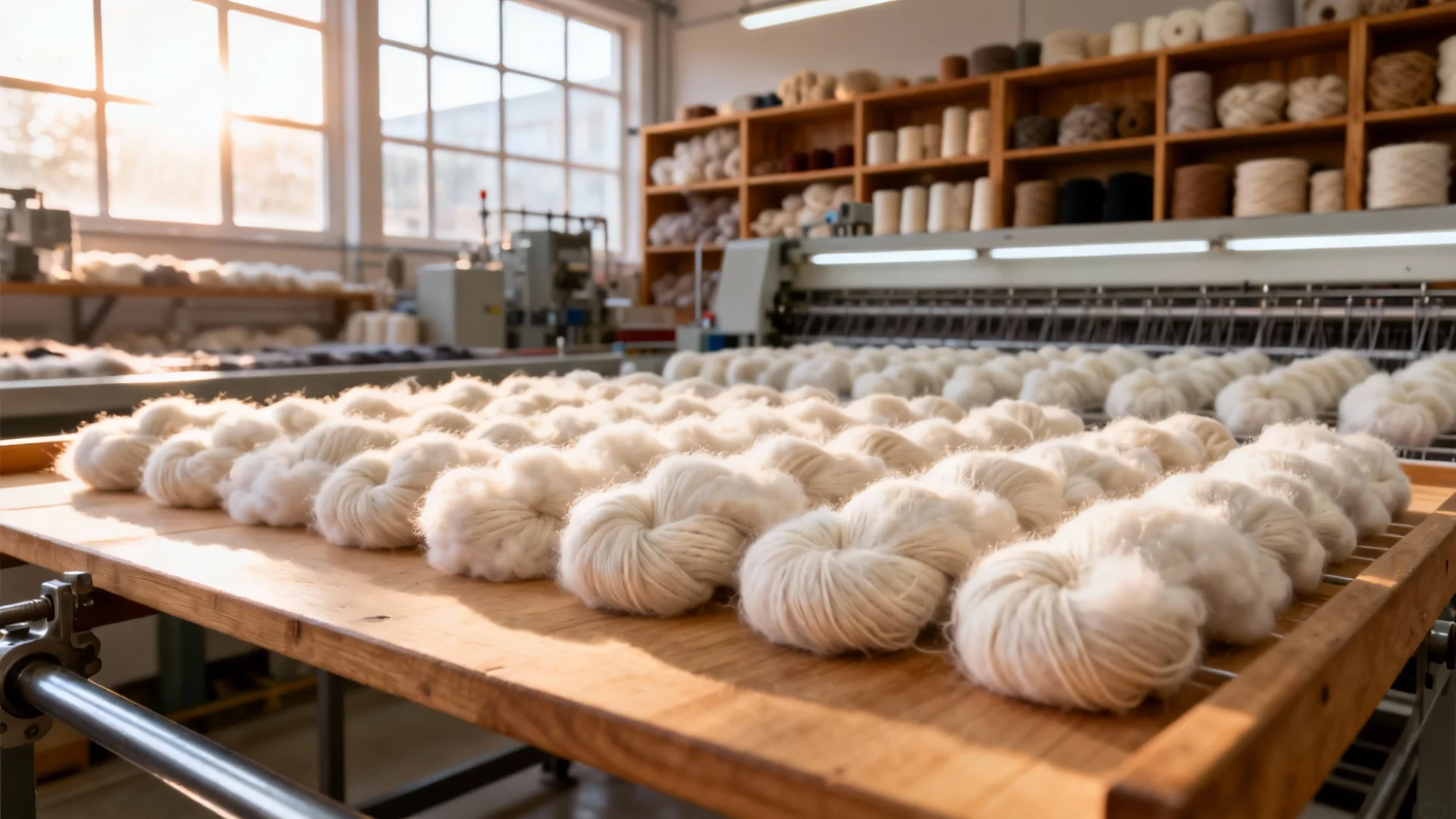
- Mulberry Silk: The most prized variety, featuring uniform 10-12 micron fibers and exceptional tensile strength (3.5-4.5 g/denier). Its smooth surface makes it ideal for intricate prints and vibrant dye absorption.
- Tussah Silk: Characterized by a natural golden hue and slightly coarser texture (14-16 microns). This variety offers a distinctive aesthetic at a 20-25% lower price point than Mulberry silk.
- Peace Silk: Ethically harvested without harming silkworms, appealing particularly to sustainability-focused brands despite its 15-20% price premium.
Technical innovations have effectively addressed traditional silk limitations. Wrinkle-resistant finishes have become standard in high-end production, with Hermès' 2025 silk twill scarves showcasing a proprietary finishing process that reduces wrinkling by 40% while preserving natural breathability.
Linen has emerged as a compelling sustainable alternative for luxury scarves, particularly valued in spring and summer collections. The 2025 market features several enhanced linen varieties:
- Organic Flax Linen: Grown without pesticides and requiring 98% less water than conventional cotton, while offering natural UV protection (UPF 50+).
- Stonewashed Linen: Provides a softer hand feel through enzymatic washing, addressing traditional linen's potential scratchiness.
- Linen-Silk Blends: Typically formulated in 70/30 or 60/40 ratios, combining linen's distinctive texture with silk's fluid drape and luster.
Linen prices stabilized in 2025 at $18-25 per meter for premium grades, representing a 12% year-over-year increase driven by heightened demand for sustainable materials.
Innovative Blends and Technical Textiles
The future of luxury scarf materials lies in strategic blending that enhances performance while preserving premium quality. Cashmere-silk blends have become increasingly sophisticated, with precise ratios engineered to deliver specific performance attributes:
- 70/30 Cashmere-Silk: Delivers an optimal balance of warmth and drape, with 25% higher tensile strength than pure cashmere
- 50/50 Cashmere-Silk: Maximizes luster while minimizing pilling, ideal for lightweight, seasonless scarves
- 30/70 Cashmere-Silk: Prioritizes silk's fluidity and printability while retaining cashmere's luxurious hand feel
Technical advancements in blending technology have overcome traditional challenges. Companies like Ermenegildo Zegna utilize computer-controlled fiber alignment to ensure uniform distribution and consistent quality across production runs.
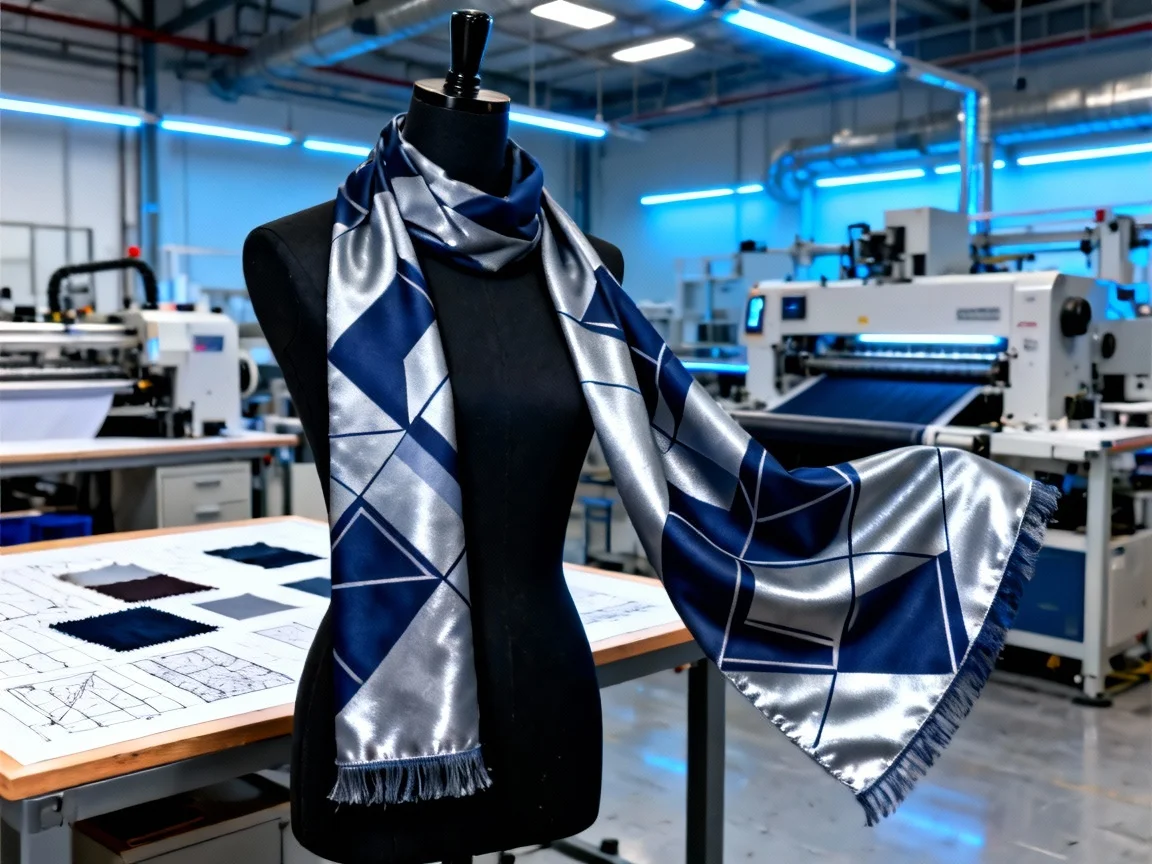
Sustainable technical textiles are transforming luxury scarf production through innovative material sourcing and processing methodologies:
- Recycled Polyester-Silk: Combines post-consumer plastic bottles with silk fibers to create durable, wrinkle-resistant material with significantly reduced environmental impact.
- Seaweed-Infused Fibers: Marine-based additives enhance moisture-wicking properties and provide natural antimicrobial benefits without compromising luxury aesthetics.
- Carbon-Neutral Cashmere: Produced using renewable energy throughout the supply chain, complemented by verified carbon offset programs.
These technical textiles address specific performance requirements while responding to the luxury market's growing environmental consciousness. According to the Sustainable Luxury Fashion Report 2025, technical textiles with verified sustainability credentials command a 15-20% price premium in the current market.
Performance Metrics and Selection Criteria
Quantitative Material Performance Analysis
Objective performance metrics provide a scientific foundation for comparing luxury scarf materials. The following data represents industry standards for premium materials in 2025:
Tensile Strength - Critical for durability and shape retention:
- Silk: 3.5-4.5 g/denier
- Cashmere: 1.5-2.0 g/denier
- Cashmere-Silk Blend (70/30): 2.5-3.0 g/denier
- Linen: 5.5-6.5 g/denier
Thermal Conductivity - Measures insulating properties (lower values indicate better insulation):
- Cashmere: 0.03-0.04 W/(m·K)
- Wool: 0.04-0.05 W/(m·K)
- Cashmere-Silk Blend: 0.04-0.05 W/(m·K)
- Silk: 0.05-0.06 W/(m·K)
- Linen: 0.06-0.07 W/(m·K)
Drape Coefficient - Evaluates fabric fluidity (lower values indicate better drape):
- Silk Chiffon: 0.3-0.4
- Silk Twill: 0.4-0.5
- Cashmere-Silk Blend: 0.5-0.6
- Cashmere: 0.6-0.7
- Linen: 0.7-0.8
Pilling Resistance - Rated on a 1-5 scale (5 = no pilling):
- Pure Cashmere: 2-3
- Cashmere-Silk Blend: 4-5
- Silk: 5
- Linen: 4-5
- Wool-Silk Blend: 3-4
These metrics should guide material selection based on intended use, seasonal application, and performance requirements. For instance, winter scarves prioritize thermal conductivity while summer accessories emphasize breathability and drape.
Environmental Impact Assessment
Sustainability has evolved from a marketing advantage to an essential selection criterion, requiring comprehensive evaluation of a material's environmental footprint. The following comparative data contextualizes the environmental impact of common luxury scarf materials:
Water Usage (liters per kilogram of fiber):
- Conventional Cotton: 10,000-20,000
- Organic Cotton: 2,400-3,000
- Linen: 1,500-2,000
- Silk: 800-1,500
- Cashmere: 1,000-1,800
- Recycled Polyester: 50-100
Carbon Footprint (kg CO₂e per kilogram of fiber):
- Conventional Cotton: 3.5-5.5
- Linen: 2.5-3.5
- Silk: 4.0-6.0
- Cashmere: 14.0-16.0
- Recycled Polyester: 1.5-3.0
- Recycled Silk: 2.0-3.0
Biodegradability:
- Natural Fibers (Silk, Linen, Cashmere): Biodegradable within 1-5 years
- Synthetic Fibers (Polyester, Acrylic): Non-biodegradable
- Blended Fibers: Degradation rate depends on composition ratio
Certification Standards have become critical for verifying sustainability claims:
- GOTS (Global Organic Textile Standard): Ensures organic status throughout production
- OEKO-TEX® STANDARD 100: Verifies absence of harmful substances
- Cradle to Cradle: Evaluates material circularity and comprehensive environmental impact
- Fair Trade Certified: Ensures ethical labor practices and fair compensation
When selecting sustainable materials, prioritize third-party certifications over self-declared environmental claims. Most credible certifications for luxury textiles now integrate both environmental and social responsibility criteria.
Strategic Material Selection Framework
Application-Based Material Recommendations
Optimal scarf material varies significantly based on seasonal requirements, climatic conditions, and design objectives. The following targeted guidance helps refine material selection:
Winter Luxury Scarves (emphasizing warmth, insulation, and comfort):
- Primary Recommendation: Grade A Cashmere (14-15 microns) or 70/30 Cashmere-Silk blend
- Performance Benefits: Exceptional thermal retention (0.03-0.04 W/(m·K)), superior softness, and elegant drape
- Design Considerations: Heavier GSM (180-220) for maximum warmth; limited print complexity due to fiber density
- Price Point: $120-180 per meter for premium cashmere
- Sustainable Alternative: Recycled cashmere blended with organic wool (30-40% cost reduction with comparable warmth)
Spring/Summer Luxury Scarves (prioritizing breathability, drape, and versatility):
- Primary Recommendation: Mulberry Silk Twill or 60/40 Linen-Silk blend
- Performance Benefits: Excellent moisture-wicking properties, natural UV protection, and superior drape characteristics
- Design Considerations: Lighter GSM (80-120) for comfort; ideal for intricate prints and vibrant colors
- Price Point: $45-85 per meter for premium silk
- Sustainable Alternative: Peace Silk or Tencel-Linen blend with 30% lower environmental impact
Transitional/Seasonless Scarves (balancing versatility, durability, and aesthetic appeal):
- Primary Recommendation: 50/50 Cashmere-Silk blend or Luxury Modal-Silk blend
- Performance Benefits: Year-round wearability, reduced wrinkling, and enhanced durability
- Design Considerations: Medium GSM (120-160); versatile for both structured and fluid designs
- Price Point: $80-120 per meter for blended fabrics
- Sustainable Alternative: Recycled Silk-Cotton blend with comparable drape and 40% lower carbon footprint
Cost-Benefit Analysis
Luxury scarf materials represent a significant investment, requiring careful evaluation of cost versus value. The following framework helps balance quality, performance, and budget considerations:
Material Cost Spectrum (per meter for finished fabric):
- Entry Luxury: $30-60 (Linen, Cotton-Silk blends, Recycled Silk)
- Mid Luxury: $60-120 (Standard Silk, Cashmere-Wool blends, Premium Linen-Silk)
- High Luxury: $120-250 (Grade B Cashmere, Pure Mulberry Silk, Cashmere-Silk blends)
- Ultra Luxury: $250+ (Grade A Cashmere, Vicuña, Rare Fiber Blends)
Value Engineering Strategies:
- Strategic Blending: Adding 30-40% silk to cashmere reduces costs by 25-30% while maintaining luxury characteristics
- Selective Reinforcement: Incorporating high-performance fibers in critical areas only (e.g., silk borders on cashmere scarves for enhanced durability)
- Innovative Finishing: Utilizing mechanical treatments to enhance performance characteristics without expensive fiber additions
- Sustainable Sourcing: Establishing direct relationships with producers eliminates middlemen, reducing costs by 15-20%
- Minimum Order Optimization: Balancing quality requirements with production MOQs to reduce waste and inventory costs
When evaluating material costs, consider the total value equation: higher initial investment in premium materials often results in better durability, reduced returns, and enhanced brand perception—ultimately providing superior long-term value.
Implementation and Sourcing Considerations
Quality Verification and Supplier Evaluation
Ensuring material quality requires rigorous supplier assessment and product verification protocols. Professional buyers should implement the following quality control measures:
Supplier Qualification Criteria:
- Production Capacity: Minimum 5,000-meter monthly output for consistent supply
- Quality Control Processes: Documented protocols for fiber testing, dye lot consistency, and defect detection
- Ethical Standards: Compliance with fair labor practices and environmental regulations
- Technical Capabilities: Advanced weaving and finishing equipment for consistent quality
- Certification Portfolio: Valid GOTS, OEKO-TEX, or equivalent sustainability credentials
- Lead Time Commitment: Ability to meet 4-6 week production timelines for standard orders
Material Verification Testing:
- Fiber Composition Analysis: Confirming blend ratios through laboratory testing
- Micron Measurement: Verifying cashmere/silk fineness for luxury classification
- Tensile Strength Testing: Ensuring minimum 3.0 g/denier for durability
- Colorfastness Assessment: Testing resistance to light, washing, and perspiration
- Pilling Resistance: ISO 12945-2 testing for performance prediction
- Shrinkage Testing: Verifying dimensional stability after washing
Establishing long-term partnerships with 2-3 trusted suppliers ensures consistent quality while providing negotiating leverage for pricing and terms. Regular factory audits and sample testing remain essential for maintaining quality standards.
Future-Proofing Through Material Innovation
The luxury textile landscape continues to evolve rapidly, with emerging materials offering new possibilities for innovation. Forward-thinking brands should monitor these developments:
Breakthrough Sustainable Fibers:
- Mylo™ Mushroom Leather: Though primarily for accessories, textile applications are in advanced development
- Spinnova: Wood-based textile requiring 99% less water than cotton with silk-like properties
- Södra Lyocell: Advanced cellulose fiber with enhanced strength and sustainability profile
- AirCarbon: Carbon-negative material derived from captured CO₂ with silk-like characteristics
Smart Textile Integration:
- Temperature-Regulating Fibers: Phase Change Materials (PCMs) integrated into natural fiber blends
- Light-Responsive Fabrics: Photochromic inks and fibers that change properties with light exposure
- Moisture-Responsive Treatments: Natural finishes that enhance breathability when wet
Circular Economy Innovations:
- Recycled Luxury Fibers: Advanced recycling technologies allowing cashmere and silk recycling at scale
- Biodegradable Blends: Fibers designed to fully biodegrade while maintaining performance
- Take-Back Programs: Closed-loop systems for end-of-life scarf recycling and repurposing
Industry leaders like Stella McCartney and Loro Piana already invest heavily in these innovations, with commercial applications expected to reach market within 2-3 years. Early adoption can provide significant competitive advantage in the luxury segment.
Conclusion: Strategic Material Selection for Luxury Scarf Excellence
The selection of advanced textile materials for luxury scarves represents a critical strategic decision that impacts product quality, brand positioning, and environmental footprint. By systematically evaluating performance metrics, environmental impact, and cost-benefit ratios, fashion brands can make informed choices that align with both business objectives and sustainability commitments.
As the luxury textile market continues to evolve, successful material selection requires balancing tradition with innovation, performance with sustainability, and quality with value. The most compelling luxury scarves of 2025 and beyond will embody this balance, leveraging advanced textile materials to deliver exceptional aesthetics, performance, and responsible luxury.
By implementing the frameworks and insights provided in this guide, fashion professionals can navigate the complex landscape of performance fabrics, technical textiles, and sustainable fibers to create luxury scarves that meet the multifaceted demands of today's discerning consumers while positioning their brands at the forefront of textile innovation.