In today's complex global trade environment, efficient export logistics can make or break a fashion brand's international success. As supply chains become increasingly intricate and consumer expectations continue to rise, mastering the art of scarf export logistics has become essential for businesses looking to thrive in the global marketplace. For industry professionals evaluating international scarf production partners, understanding these logistics complexities is paramount to selecting reliable manufacturing collaborators.
The landscape of scarf export logistics in 2025 demands a sophisticated approach that balances cost efficiency, speed to market, sustainability compliance, and risk mitigation. Drawing from industry best practices and successful implementation cases, this comprehensive guide outlines seven proven strategies that deliver measurable results for businesses navigating the complexities of global scarf trade.

Strategic Global Sourcing and Production Network Optimization
An optimized global production network forms the foundation of successful scarf export logistics. Forward-thinking manufacturers have evolved beyond single-location production to develop strategically distributed manufacturing hubs that balance cost advantages with proximity to key markets.
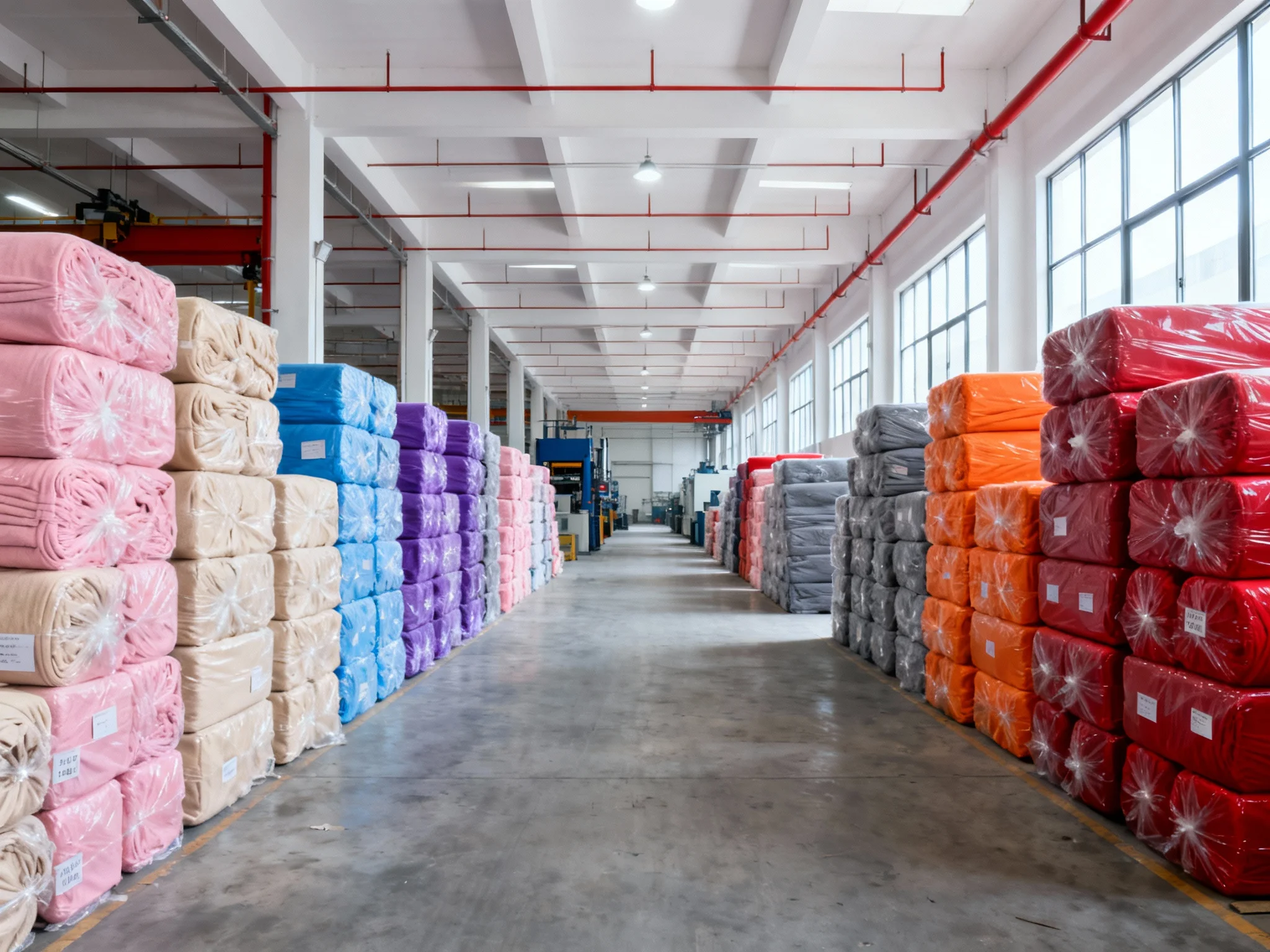
This strategic approach involves meticulous analysis of production capabilities across multiple regions, evaluating factors such as material availability, labor expertise, technological infrastructure, and access to favorable trade agreements. For instance, maintaining production facilities in Southeast Asia for cost efficiency while establishing secondary operations in Southern Europe for faster European market access creates a flexible network capable of adapting to shifting demand patterns and trade conditions.
Digitalization has become the cornerstone of coordinating these distributed networks effectively. Advanced production planning systems now provide real-time visibility across multiple manufacturing sites, enabling dynamic reallocation of orders based on material availability, production capacity, and shipping lead times. This level of overseas manufacturing coordination proved invaluable during recent global supply chain disruptions, allowing manufacturers to rapidly shift production between locations when facing port closures or transportation delays.
Advanced Digital Tracking and Supply Chain Visibility
Supply chain transparency has evolved from a competitive advantage to a fundamental requirement in modern scarf export logistics. The most sophisticated operations now employ integrated digital platforms that provide end-to-end visibility across the entire supply chain journey.
These advanced systems incorporate blockchain-enabled shipment tracking, IoT sensors for environmental monitoring during transit, and cloud-based dashboards that consolidate data from multiple logistics partners. For delicate textile products like scarves, environmental monitoring provides critical documentation of temperature and humidity conditions throughout transportation, ensuring product integrity and facilitating rapid resolution of any quality concerns upon delivery.
Initiatives like India's Unified Logistics Interface Platform (ULIP) and Logistics Data Bank (LDB) exemplify the industry-wide shift toward greater transparency. These digital systems have significantly reduced information asymmetry between stakeholders, enabling more accurate planning and proactive issue resolution. As similar platforms gain traction globally, they create opportunities for standardized tracking protocols across international borders.
The practical benefits of enhanced visibility include fewer lost shipments, improved inventory planning through accurate ETAs, and the ability to provide customers with precise delivery information. When evaluating potential partners, request demonstrations of their tracking capabilities and visibility platforms to ensure they meet your operational requirements.
Sustainable Logistics Practices and Eco-Friendly Packaging Solutions
Sustainability has transitioned from a niche consideration to a core requirement in global scarf logistics, driven by both consumer demand and regulatory pressures. Leading manufacturers have responded by implementing comprehensive green logistics strategies that address environmental impact without compromising operational efficiency.
Innovative packaging solutions now extend beyond basic recyclable materials to include mushroom-based packaging foam for delicate scarf protection, seed paper packaging that can be planted, and water-soluble poly mailers. These sustainable alternatives not only reduce environmental impact but also serve as brand differentiators that enhance the unboxing experience for customers.
Beyond packaging, sustainable logistics encompasses optimized transportation routing to minimize carbon footprints, strategic use of multimodal transportation (combining sea, rail, and road transport), and investment in carbon offset programs for unavoidable emissions. Progressive manufacturers have implemented closed-loop systems that collect and repurpose packaging materials, aligning with circular economy principles while reducing overall costs.
The business case for sustainable logistics continues to strengthen, with studies showing that these approaches can reduce overall costs by 10-15% through improved efficiency and waste reduction. Additionally, compliance with increasingly stringent environmental regulations in key markets like the EU and California has become essential for market access and brand reputation.
Agile Customs Compliance and Documentation Management
Navigating international customs regulations represents one of the most persistent challenges in scarf export logistics. The year 2025 has brought heightened complexity with new tariff structures, enhanced documentation requirements, and increased scrutiny of textile imports in major markets.
Effective customs compliance begins with robust documentation management systems that ensure accuracy and completeness of all required paperwork. This includes commercial invoices, packing lists, certificates of origin, and material safety data sheets, all of which must be meticulously maintained and verified. Leading manufacturers employ digital documentation systems with built-in validation checks that prevent common errors causing costly delays.
Advanced providers have also invested in specialized customs expertise for key markets, either maintaining in-house specialists or partnering with local experts who stay current on regulatory changes. These professionals provide guidance on optimal classification and valuation strategies, which are particularly critical for scarf products where material composition thresholds and product characteristics determine Harmonized System (HS) codes. A single digit error in classification can result in significant duty overpayments or costly delays.
Participation in trusted trader programs like the EU's Authorized Economic Operator (AEO) program or U.S. C-TPAT has become a strategic advantage, significantly reducing inspection rates and expediting clearance times. While these programs require demonstrated commitment to security and compliance, they offer substantial benefits for regular exporters operating in competitive markets.
Multimodal Transportation Optimization and Risk Mitigation
Transportation strategy in 2025 has evolved to balance cost, speed, and reliability through sophisticated multimodal approaches that leverage the strengths of different transport modes while mitigating their limitations.

A common optimization strategy combines ocean freight for long-haul transportation with rail and road transport for first-mile and last-mile delivery. This approach capitalizes on ocean freight's cost-effectiveness for large volumes while utilizing rail transport to bypass congested ports and road transport for final delivery flexibility. Air freight, while occasionally necessary for time-sensitive orders, is increasingly reserved for emergencies due to cost and sustainability considerations.
Risk mitigation has become integral to transportation planning, with companies diversifying routes to avoid over-reliance on any single corridor. Maintaining relationships with multiple carriers and implementing comprehensive contingency plans for common disruptions has become standard practice. Advanced predictive analytics now enable logistics managers to anticipate potential issues based on weather patterns, political developments, and historical disruption data.
Cargo insurance has also evolved to address the specific needs of textile shipments, with comprehensive policies now covering not just loss or damage but also delay-related costs that can be particularly damaging for fashion items with tight seasonal windows. Parametric insurance products that automatically trigger payments when specific disruption criteria are met have reduced the time and documentation required to process claims, improving cash flow during supply chain disruptions.
Integrated Demand Forecasting and Inventory Management
Effective scarf export logistics cannot be viewed in isolation from broader supply chain planning. The most successful manufacturers have achieved seamless integration between demand forecasting, production planning, and logistics operations, creating responsive systems that adapt to changing market conditions.
Advanced demand sensing technologies have transformed forecasting capabilities by integrating multiple data sources, including historical sales data, market trends, seasonal patterns, and social media sentiment. These sophisticated systems generate more accurate demand projections at both aggregate and SKU levels, enabling better alignment between production volumes and market requirements. For scarf manufacturers, this means reduced need for emergency shipments and more efficient logistics planning.
These forecasting capabilities feed into optimized inventory management strategies that minimize holding costs while ensuring product availability. Rather than maintaining large stocks of finished goods in export markets, leading manufacturers have implemented Just-In-Time (JIT) delivery approaches supported by reliable transportation networks. This reduces inventory holding costs and minimizes the risk of fashion obsolescence—a critical consideration in the fast-changing accessories market.
Collaborative planning platforms have strengthened relationships between manufacturers and customers, enabling both parties to contribute insights and adjust plans based on real-time market feedback. This collaborative approach proves particularly effective for seasonal scarf collections where accurate timing is crucial for maximizing sales opportunities.
Quality Control and Compliance Assurance Throughout the Logistics Journey
Maintaining consistent quality standards throughout the export logistics process presents unique challenges for scarf manufacturers. These delicate textile products are vulnerable to damage from moisture, temperature variations, compression, and handling during transportation—any of which can compromise product quality and customer satisfaction.

Leading manufacturers have implemented comprehensive quality control protocols that extend beyond production to cover the entire logistics journey. This begins with rigorous pre-shipment inspections conducted by trained quality assurance personnel who verify not just product specifications but also packaging integrity. These inspections follow standardized checklists tailored to scarf products, covering color consistency, print quality, fabric integrity, and dimensional accuracy.
In-transit quality management has advanced significantly through specialized packaging and monitoring technologies. Climate-controlled containers maintain optimal temperature and humidity levels for high-end scarf shipments, while IoT sensors provide real-time monitoring and trigger alerts if parameters fall outside acceptable ranges, enabling proactive intervention.
Destination quality control represents another critical checkpoint, with some manufacturers establishing quality assurance teams in key export markets that conduct inspections upon arrival before products are released to customers. This final verification provides an opportunity to address any transportation-related issues and demonstrates commitment to quality throughout the supply chain.
Implementation Roadmap: Transforming Logistics into a Strategic Advantage
Implementing these seven key strategies requires a structured approach tailored to your specific business needs. Based on industry best practices, we recommend a phased implementation roadmap that builds capabilities gradually while delivering immediate benefits.
Begin with a comprehensive assessment of your current logistics performance and challenges, considering delivery reliability, lead time consistency, cost structure, sustainability impact, and customer satisfaction levels. This evaluation will help prioritize which strategies to implement first based on your most pressing pain points.
Next, develop clear performance metrics to track progress, such as on-time delivery rate, order accuracy, lead time variability, transportation cost per unit, and carbon footprint per shipment. Establishing baseline measurements enables objective evaluation of improvement efforts and demonstrates the ROI of logistics investments.
Consider starting with foundational technologies that provide visibility across your supply chain. Implementing a robust tracking system and establishing clear communication protocols with manufacturing partners creates a platform for more advanced strategies. This visibility often reveals immediate improvement opportunities, such as identifying consistent bottlenecks in the transportation process or quality issues related to specific shipping routes or carriers.
As capabilities develop, gradually expand your focus to include more strategic initiatives like sustainable logistics practices and advanced forecasting. These efforts typically require more significant investment and cross-functional collaboration but deliver substantial long-term benefits in terms of cost reduction, risk mitigation, and market differentiation.
Finally, recognize that logistics excellence is an ongoing journey rather than a destination. The global trade environment continues to evolve, requiring continuous adaptation of strategies and processes. Establish regular review cycles to evaluate performance against KPIs, assess the impact of implemented improvements, and identify new optimization opportunities.
By systematically implementing these seven key strategies and following this implementation roadmap, fashion businesses can transform scarf export logistics from a potential source of frustration into a powerful competitive advantage. The resulting improvements in reliability, efficiency, and sustainability will reduce operational costs while enhancing customer satisfaction and brand reputation in the global marketplace.
In an industry where margins are tight and competition is fierce, optimizing your global scarf supply chain through these proven logistics strategies can position your business for sustainable success in the international marketplace. The manufacturers that excel in these areas will not only survive but thrive in the complex global trade environment of 2025 and beyond.