In the fast-paced world of fashion accessories, scarf manufacturing is undergoing a remarkable transformation driven by technological advancements in textile printing. As consumer demands for customization, sustainability, and faster production cycles continue to rise, innovative printing technologies are reshaping industry standards and capabilities. Based on industry experience and insights from leading trade shows like ITMA 2023, this guide explores five impactful textile print innovations revolutionizing scarf manufacturing in 2023.
For fashion brands, boutiques, and specialty stores seeking reliable scarf suppliers, understanding these technological advancements is crucial for making informed sourcing decisions. This article analyzes how these innovations enhance design capabilities, improve production efficiency, and support sustainability goals—key factors when evaluating manufacturing partners for your scarf business.
1. Digital Textile Printing: Redefining Design Possibilities
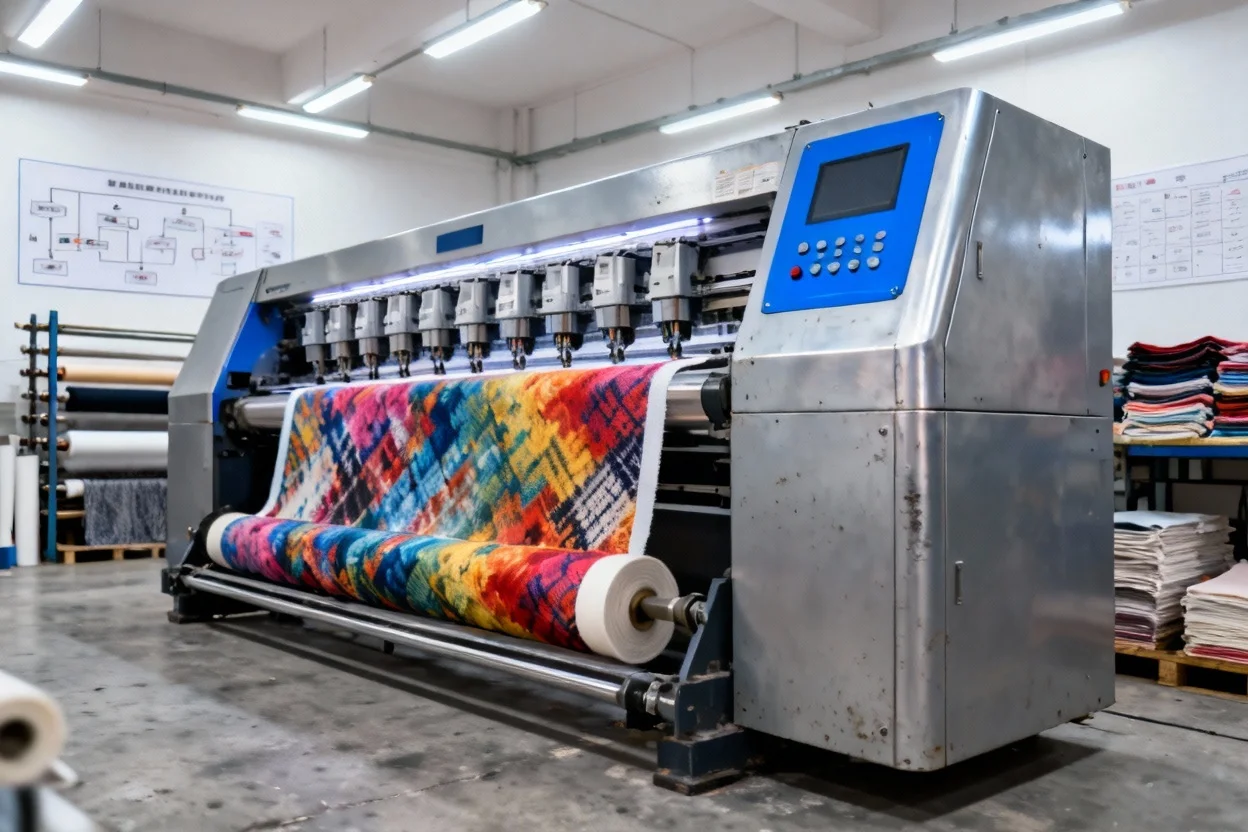
Digital textile printing has emerged as a transformative technology in scarf manufacturing, offering unprecedented design flexibility and production efficiency compared to traditional screen printing methods. By transferring digital designs directly onto fabric using specialized inkjet printers, this technology eliminates costly screen preparation and setup processes.
The advantages of digital textile printing for scarf production are multifaceted. Designers gain the freedom to create intricate patterns with unlimited color options, achieving detail levels previously unattainable through conventional methods. The technology enables rapid prototyping, allowing manufacturers to produce sample designs in hours rather than days—a critical capability for fashion brands operating in fast-paced markets where trend responsiveness determines competitive advantage.
From a production standpoint, digital textile printing minimizes material waste by applying precise ink amounts exactly where needed. This targeted application reduces environmental impact while lowering costs associated with ink consumption and fabric waste. Additionally, the technology facilitates efficient small-batch production, making limited-edition scarf collections or personalized designs economically viable—a growing trend in the luxury fashion accessories segment.
As the technology continues to evolve, significant improvements in print resolution, colorfastness, and production speeds have been achieved. Modern systems now reach up to 1200 dpi resolution, ensuring exceptional detail reproduction even on delicate fabrics like silk and cashmere. Advanced color management systems guarantee consistent color reproduction across production runs, maintaining brand identity and quality standards.
2. Nano-Ink Technology: Enhancing Performance and Sustainability
Nano-ink technology represents a significant advancement in textile printing chemistry, offering enhanced performance characteristics and environmental benefits for scarf manufacturing. These specialized inks contain nano-sized pigment particles that penetrate fabric fibers more effectively than conventional inks, resulting in superior color vibrancy, durability, and wash fastness.
Nano-inks address several longstanding challenges in scarf printing. Their superior adhesion properties eliminate the need for pre-treatment chemicals, reducing both production costs and environmental impact. The smaller particle sizes enable smoother color gradients and finer detail reproduction, ensuring intricate designs maintain their integrity even after multiple washes.
Sustainability emerges as another key advantage of nano-ink technology. These inks typically require less energy for curing and fixation compared to traditional inks, lowering carbon emissions during production. Many formulations are water-based and free from harmful volatile organic compounds (VOCs), aligning with the growing demand for eco-friendly textile production methods.
In practical application, nano-ink technology enables printing on a wider range of materials without compromising quality. This versatility benefits manufacturers working with luxury fabrics like silk, wool, and cashmere—materials that often present challenges for traditional printing methods. The improved color retention properties also extend scarf lifespan, enhancing both perceived value and sustainability credentials.
As consumer environmental awareness continues to grow, manufacturers utilizing nano-ink technology can differentiate their products through improved sustainability profiles. This technology supports eco-friendly production practices while delivering tangible benefits to consumers through enhanced product durability and performance.
3. High-Speed Printing Machines: Meeting the Demands of Fast Fashion
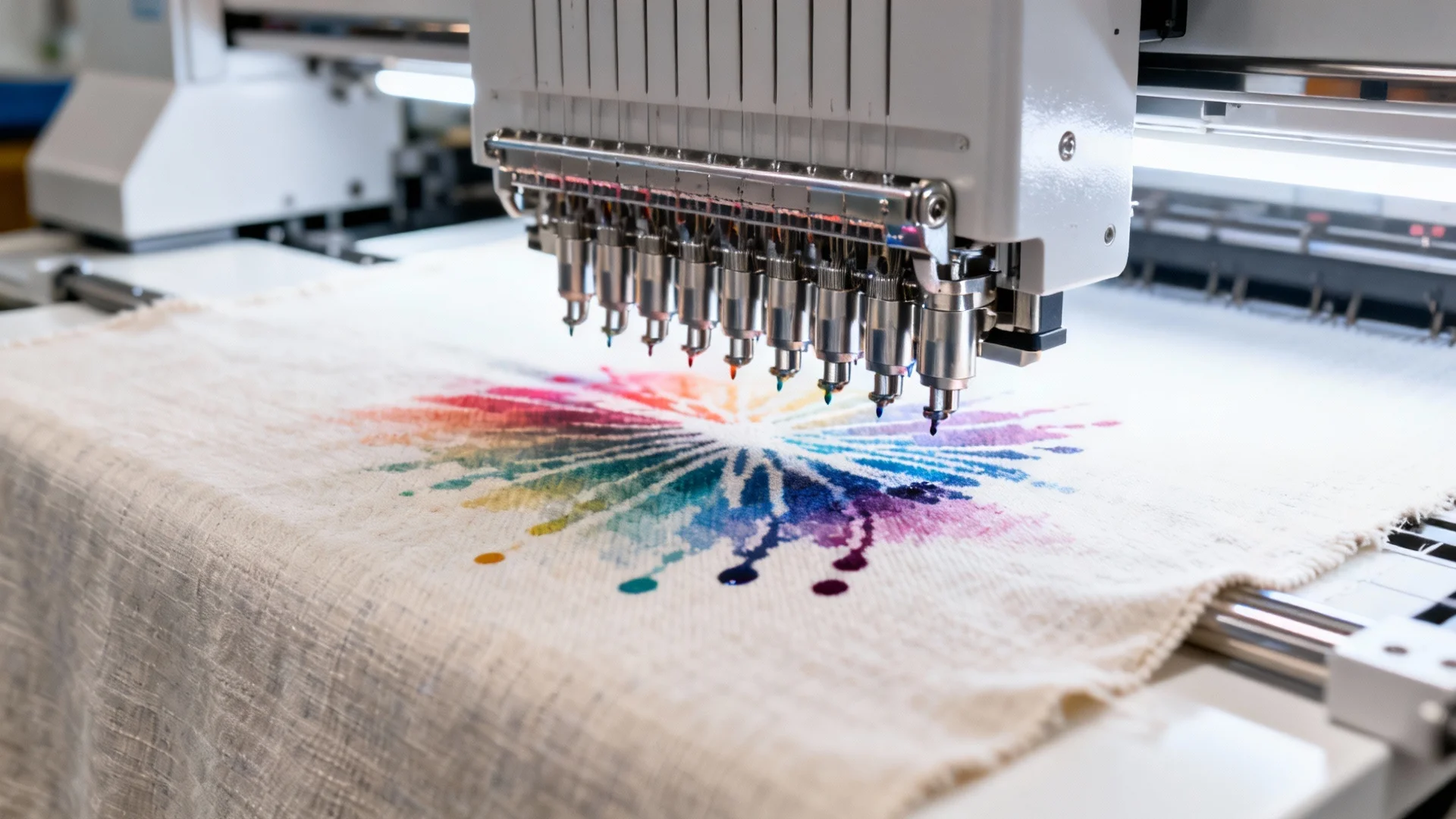
High-speed digital textile printing machines have transformed production capabilities in the scarf manufacturing industry, enabling manufacturers to meet the accelerating demands of fast fashion cycles while maintaining quality standards. These advanced systems combine increased production speeds with precision printing capabilities, fundamentally changing the economics of scarf production.
Modern high-speed printing machines can achieve speeds exceeding 100 meters per minute, representing a significant increase in throughput compared to previous generations of digital printers. This improved efficiency allows manufacturers to reduce lead times from weeks to days, enabling fashion brands to respond more rapidly to emerging trends and seasonal demands.
Importantly, these speed improvements do not come at the expense of quality. High-speed printing machines incorporate advanced feeding systems and precision control technologies that ensure consistent print registration and color accuracy even at maximum production speeds. This performance is particularly valuable for large-scale scarf production, where maintaining consistency across thousands of units is essential.
High-speed printing technology also supports greater production flexibility. Quick changeover capabilities allow manufacturers to switch between designs with minimal downtime, making small-batch production of multiple designs economically viable. This flexibility enables more diverse product offerings and supports the growing trend toward mass customization in the fashion accessories market.
Integration with Industry 4.0 technologies further enhances the capabilities of high-speed printing systems. Real-time monitoring and predictive maintenance features minimize unplanned downtime, while data analytics provide valuable insights into production efficiency and quality control. These smart manufacturing features contribute to more sustainable production practices by optimizing resource utilization and reducing waste.
4. Direct-to-Fabric Printing: Streamlining Production Processes
Direct-to-fabric printing technology has transformed scarf manufacturing by eliminating traditional production steps and enabling more efficient, sustainable manufacturing processes. By printing designs directly onto fabric without the need for transfer papers or intermediate steps, this technology streamlines production workflows and reduces material waste.
Direct-to-fabric printing offers several key advantages over traditional methods. By eliminating screens, stencils, or transfer media, manufacturers significantly reduce setup times and costs. This makes small-batch production economically feasible and supports greater design diversity, as changing designs between production runs incurs minimal incremental costs.
Quality improvements are particularly evident with direct-to-fabric printing. The technology enables more precise color placement and finer detail reproduction, resulting in sharper, more vibrant designs. Direct ink application improves color penetration and adhesion, enhancing the durability and longevity of printed scarves.
Sustainability represents a particular strength of direct-to-fabric printing. The process eliminates transfer paper waste and reduces water consumption compared to traditional wet printing methods. Additionally, direct-to-fabric printing typically requires less energy for curing and drying, contributing to lower overall carbon emissions.
Direct-to-fabric systems demonstrate versatility across a wide range of scarf materials, from lightweight silks to heavyweight wools. This flexibility supports diverse product offerings and enables manufacturers to adapt to evolving fashion trends. The technology also works effectively with various ink types, including eco-friendly and bio-based formulations, further enhancing sustainability credentials.
In practical application, direct-to-fabric printing has enabled new business models in the scarf industry. The combination of reduced setup costs and fast production cycles supports on-demand manufacturing, where products are produced only when ordered, minimizing inventory costs and waste. This approach aligns with the growing consumer preference for sustainable, made-to-order fashion products.
5. AI-Integrated Digital Design Tools: Revolutionizing Creative Processes
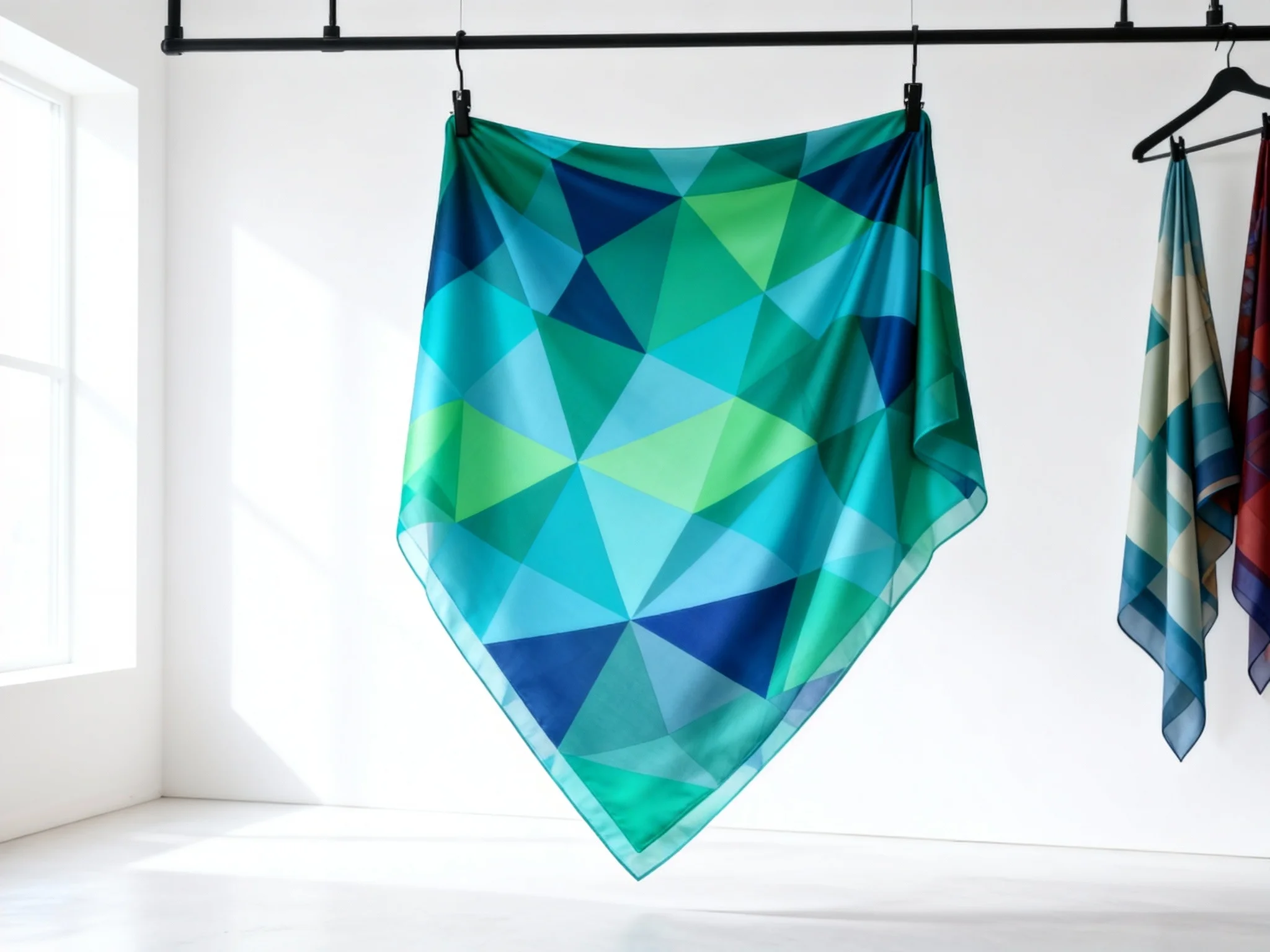
The integration of artificial intelligence (AI) and advanced digital design tools represents the next frontier in textile print innovation for scarf manufacturing, enabling unprecedented design complexity, customization capabilities, and production efficiency. These technologies are transforming the entire workflow from initial concept development to final product realization.
AI-powered design tools are revolutionizing the creative process by enabling designers to generate, refine, and optimize patterns more efficiently than ever before. Machine learning algorithms analyze trending patterns, colors, and styles to provide data-driven recommendations, helping designers stay ahead of fashion trends. These tools can automatically generate pattern variations, significantly reducing the time required to develop comprehensive scarf collections.
Predictive color matching and correction represent significant AI applications in textile printing. These systems accurately predict how colors will appear on different fabric types and adjust designs accordingly, reducing the need for physical prototypes and minimizing production waste. AI-powered quality control systems can identify and correct printing defects in real-time, ensuring consistent quality across production runs.
Digital design tools are enabling new levels of customization in scarf production. Advanced software platforms facilitate easy modification of designs to meet specific customer requirements, supporting mass customization initiatives. These tools can generate unique variations of base designs, ensuring each scarf in a limited edition collection maintains cohesive aesthetics while offering subtle individual differences.
Integration of these digital tools with production systems creates fully connected design-to-manufacturing workflows. Design files are automatically optimized for specific printing equipment, reducing setup times and minimizing errors. Digital asset management systems ensure version control and easy access to design libraries, streamlining the production of seasonal collections and special editions.
Looking ahead, the combination of AI design tools with digital printing technology promises to enable exciting new scarf designs. Generative design algorithms can create patterns that would be impossible to develop manually, pushing the boundaries of textile artistry. Emerging virtual reality (VR) design tools allow designers to visualize how printed scarves will look when worn, further enhancing the design process.
Evaluating Scarf Manufacturing Partners in the Digital Age
As textile printing technologies evolve at a rapid pace, selecting the right manufacturing partner has become increasingly critical for fashion brands and retailers. The innovations discussed require significant investments in technology and expertise, and not all manufacturers have implemented these advanced processes with equal proficiency.
When evaluating potential scarf manufacturing partners, brands should consider factors beyond price and production capacity. A thorough assessment of technical capabilities in digital printing, nano-ink applications, and high-speed production is essential. Factory visits and sample evaluations should demonstrate both advanced equipment and optimization expertise for different fabrics and designs.
Sustainability practices have become critical evaluation criteria. Manufacturers should provide detailed information about their environmental initiatives, including ink and material sourcing, water and energy usage, and waste management protocols. Certifications from recognized sustainability standards help validate these claims.
The integration of digital design and production systems also matters significantly. Manufacturers utilizing advanced AI design tools and connected workflows offer greater design flexibility, faster turnaround times, and more consistent quality control—capabilities that prove most valuable for brands needing frequent design updates and rapid trend response.
Quality control processes require careful evaluation. Advanced printing technologies necessitate sophisticated quality management systems. Manufacturers should demonstrate robust inspection processes, both manual and automated, and clear protocols for addressing quality issues when they arise.
Effective collaboration throughout the product development process remains essential. Manufacturers with strong technical expertise should provide input on design feasibility, material selection guidance, and production optimization advice. This collaborative approach enhances final product quality while potentially reducing costs and lead times.
For brands looking to leverage the latest textile print innovations, partnering with leading manufacturers provides a significant competitive advantage. Superior design complexity, print quality, and sustainability credentials can differentiate brands in crowded markets, where discerning consumers increasingly value innovation, quality, and environmental responsibility.
Conclusion
The textile print innovations transforming scarf manufacturing in 2023 represent a convergence of technological advancement, design evolution, and sustainability progress. Digital printing, nano-ink technologies, high-speed production systems, and AI-powered design tools are fundamentally changing how scarves are designed, produced, and consumed.
For fashion brands and retailers, understanding and leveraging these technologies is no longer optional but essential in a rapidly evolving market. The benefits extend beyond efficiency and cost reduction to include enhanced design capabilities, improved product quality, and stronger sustainability credentials—factors that resonate increasingly with today's conscious consumers.
The pace of innovation in textile printing shows no signs of slowing. Emerging technologies like 3D textile printing, biodegradable inks, and more advanced AI systems promise to further transform the industry. Manufacturers and brands that invest in these technologies and develop the necessary expertise will lead the market and shape the future of scarf design and production.
These textile print innovations align with broader industry trends toward sustainability, customization, and digitalization. By embracing these technologies, manufacturers can reduce their environmental footprints, offer more personalized products, and respond faster to changing market demands—creating value for both businesses and consumers.
In this dynamic landscape, adaptability and innovation have become the ultimate competitive advantages. Whether through advanced printing equipment, sustainable practices, or cutting-edge design technologies, manufacturers and brands that embrace these innovations will thrive in the evolving fashion accessories marketplace.
For boutiques, specialty stores, and fashion brands seeking high-quality scarf suppliers, partnering with manufacturers at the forefront of these technological advancements ensures access to the latest design capabilities, production efficiencies, and sustainability practices—enhancing product offerings and positioning businesses as forward-thinking, innovative players in the competitive fashion marketplace.