As sustainability becomes the defining factor in fashion purchasing decisions, the scarf industry is undergoing a profound transformation. With over three decades of textile manufacturing expertise and keen market insight, the 2025 sustainable scarf landscape reveals a definitive shift toward materials innovation and ethical production practices. This analysis examines how Fennysun has positioned itself at the forefront of this movement, offering boutiques and fashion brands a comprehensive blueprint for meeting eco-conscious consumer demands while maintaining artistic integrity and commercial viability.
The Evolving Sustainable Scarf Market in 2025
The sustainable fashion market is projected to reach $9.81 billion by 2025, with accessories like scarves leading the charge in sustainable innovation. Three critical factors distinguish today's market from previous eras: heightened consumer awareness, advancements in material technology, and increasing regulatory pressures. Industry reports indicate that 45% of global consumers now consider environmental impact a primary purchasing factor, fundamentally reshaping production priorities for accessory manufacturers worldwide.
Key market drivers include:
- The rising popularity of multifunctional accessories that reduce overall consumption needs
- Advancements in recycled fiber technologies overcoming previous limitations in texture and durability
- Increasingly stringent environmental regulations targeting textile dyeing and finishing processes
- Growing demand for transparency throughout the supply chain, from fiber sourcing to manufacturing
Fennysun has responded to these trends with a multifaceted strategy that combines material innovation with production process refinements. Unlike competitors who often focus on a single sustainability aspect, Fennysun has developed an integrated approach encompassing material selection, production methods, and comprehensive product lifecycle management.
Fennysun's Sustainable Material Innovation Strategy
At the core of Fennysun's leadership in sustainable scarf manufacturing lies its thoughtful material selection process, which balances environmental responsibility with aesthetic and functional requirements. While many manufacturers adopt a limited range of eco-friendly materials, Fennysun has created a diverse material portfolio addressing different market segments and seasonal needs.
Recycled Polyester from Post-Consumer Plastic Bottles
Fennysun's recycled polyester collection represents a significant advancement in circular economy practices. By transforming plastic bottles into high-quality textile fibers, the company diverts approximately 150,000 bottles from landfills annually. Fennysun's proprietary treatment process enhances the fiber's softness and drape, directly addressing the common criticism that recycled polyester lacks the luxurious feel of virgin materials. This eco-friendly scarf production innovation has proven particularly popular for lightweight, printed scarves targeted at spring and summer collections.
Organic Cotton and Hemp Blends
Recognizing conventional cotton farming's substantial environmental impact—accounting for 24% of global insecticide use—Fennysun has invested heavily in organic cotton and hemp blends. The company partners with certified organic farms in India and China to ensure these natural fibers grow without harmful pesticides or synthetic fertilizers. The resulting textiles offer exceptional breathability and comfort while reducing water consumption by up to 91% compared to conventional cotton production. These blends form the foundation of Fennysun's core scarf collection, appealing to brands seeking both sustainability and versatility in their accessory lines.
Tencel™ Lyocell with Botanical Dyes
For premium scarf lines, Fennysun utilizes Tencel™ Lyocell, celebrated for its closed-loop production process that recovers and reuses solvents and water. What truly sets Fennysun apart is its innovative use of botanical dyes derived from local plants, fruits, and vegetables, creating a unique color palette that evolves subtly with wear and washing. This combination of sustainable fiber and natural dyeing techniques has attracted luxury fashion brands looking to differentiate their accessory offerings with authentic eco credentials.
The company's material innovation extends beyond fiber selection to include thoughtful blending techniques that optimize sustainability without compromising performance. For example, adding a small percentage of recycled spandex to organic cotton scarves maintains shape retention while keeping environmental impact minimal—a balance many competitors struggle to achieve in ethical scarf manufacturing.
Ethical Manufacturing Practices and Production Innovations
Sustainable materials alone do not guarantee an environmentally responsible product. Fennysun's comprehensive approach includes manufacturing processes that minimize resource consumption and waste generation throughout every production stage, setting new standards for sustainable textile practices.
Waterless Dyeing Technology
Traditional textile dyeing is notoriously water-intensive, requiring up to 200 liters per kilogram of fabric. Fennysun's waterless dyeing technology has reduced water usage by 85% while simultaneously decreasing energy consumption and chemical discharge. This innovative process uses supercritical carbon dioxide as a dye carrier, enabling vibrant coloration without excessive rinsing. The process benefits the environment and results in superior colorfastness—a quality advantage resonating with quality-conscious brands seeking both sustainability and performance.
Energy-Efficient Production Facilities
Fennysun's manufacturing facilities have undergone significant retrofitting to reduce their carbon footprint. Solar panels now meet approximately 30% of electricity needs, while LED lighting and energy-efficient machinery have further reduced overall energy consumption. Most impressively, a heat recovery system captures and repurposes heat from production processes, reducing reliance on fossil fuels for heating and hot water requirements.
Waste Reduction and Circularity
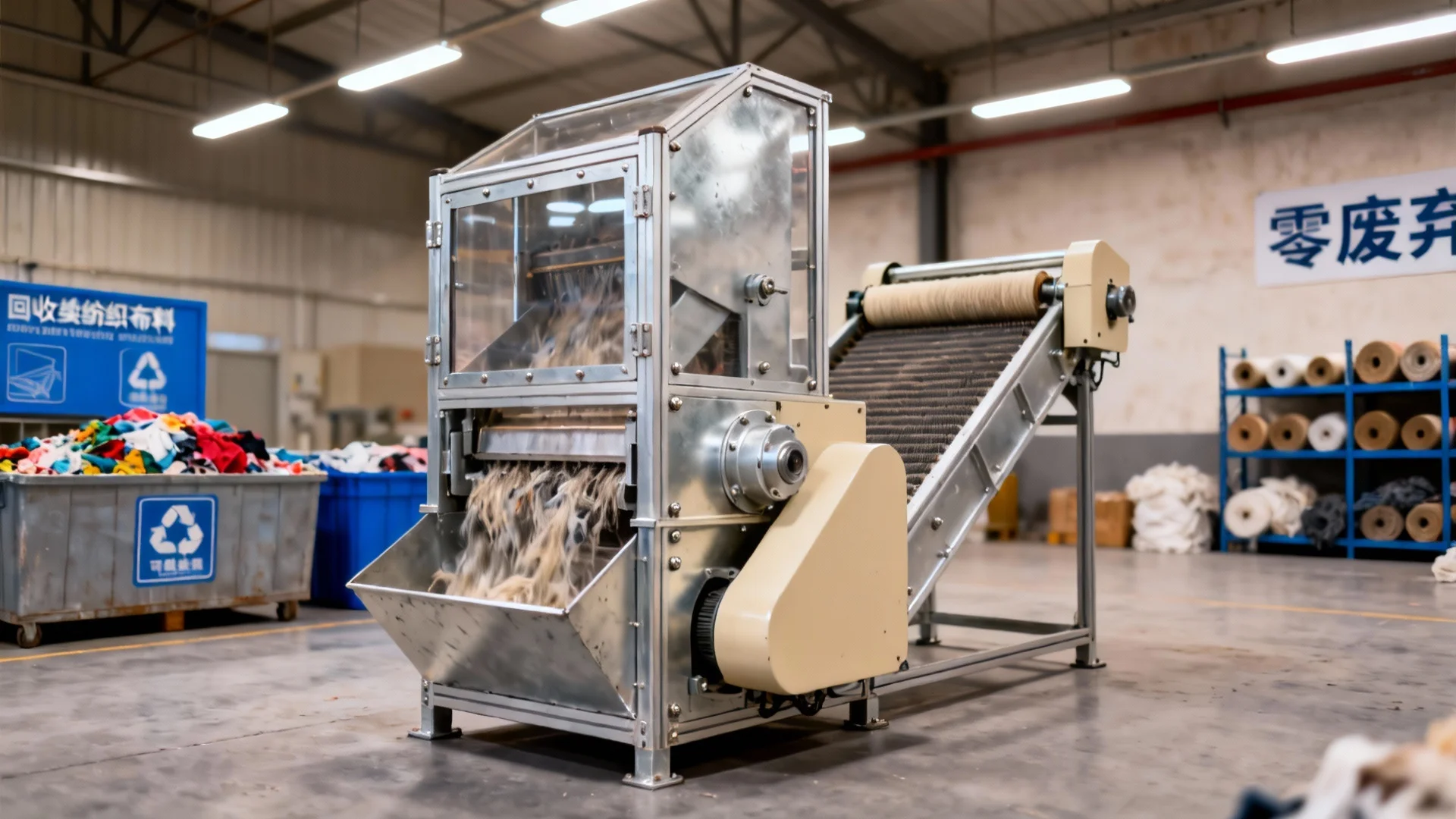
The company has implemented a comprehensive waste management system targeting zero waste to landfill by 2026. Fabric scraps are collected and either repurposed into smaller accessories or sent to recycling partners for transformation into new fiber. Even dyeing residuals are treated and converted into fertilizer for local agricultural projects. This circular approach not only reduces environmental impact but also creates additional revenue streams from what was previously considered waste material.
Ethical Labor Practices
Recognizing that true sustainability includes social responsibility, Fennysun has implemented rigorous labor standards throughout its production facilities. The company has achieved Fair Labor Association certification, ensuring safe working conditions, fair compensation, and reasonable hours for all employees. Fennysun also provides skills training programs that help workers advance their careers in the textile industry, fostering long-term retention and satisfaction.
These production innovations collectively position Fennysun as more than just a scarf manufacturer but as a sustainability solution provider for fashion brands looking to enhance their eco credentials without sacrificing quality or design flexibility.
Design Excellence Meets Sustainable Production
One major challenge in sustainable fashion is maintaining design integrity and aesthetic appeal while adhering to environmental principles. Fennysun has succeeded by integrating sustainability into the design process from conception—not treating it as an afterthought or mere marketing tool.
Timeless Aesthetic with Seasonal Updates
Fennysun's design philosophy emphasizes timeless silhouettes and versatile patterns that transcend seasonal trends, encouraging longer product lifespans and reducing fast fashion's environmental impact. Instead of completely overhauling collections each season, the company introduces seasonal color updates, allowing retailers to refresh their offerings without extensive new inventory. Boutique owners particularly value this approach for minimizing waste while keeping accessory selections current.
Multifunctional Design Elements
Recognizing that versatility encourages greater use and reduces the need for multiple accessories, Fennysun has developed scarves with convertible features. Many styles transform into shawls, headbands, or bag accessories through innovative construction and fastening systems. This multifunctional approach enhances value while aligning with sustainable consumption principles by maximizing utility—a key consideration in eco-friendly scarf production.
Digital Printing for Reduced Waste
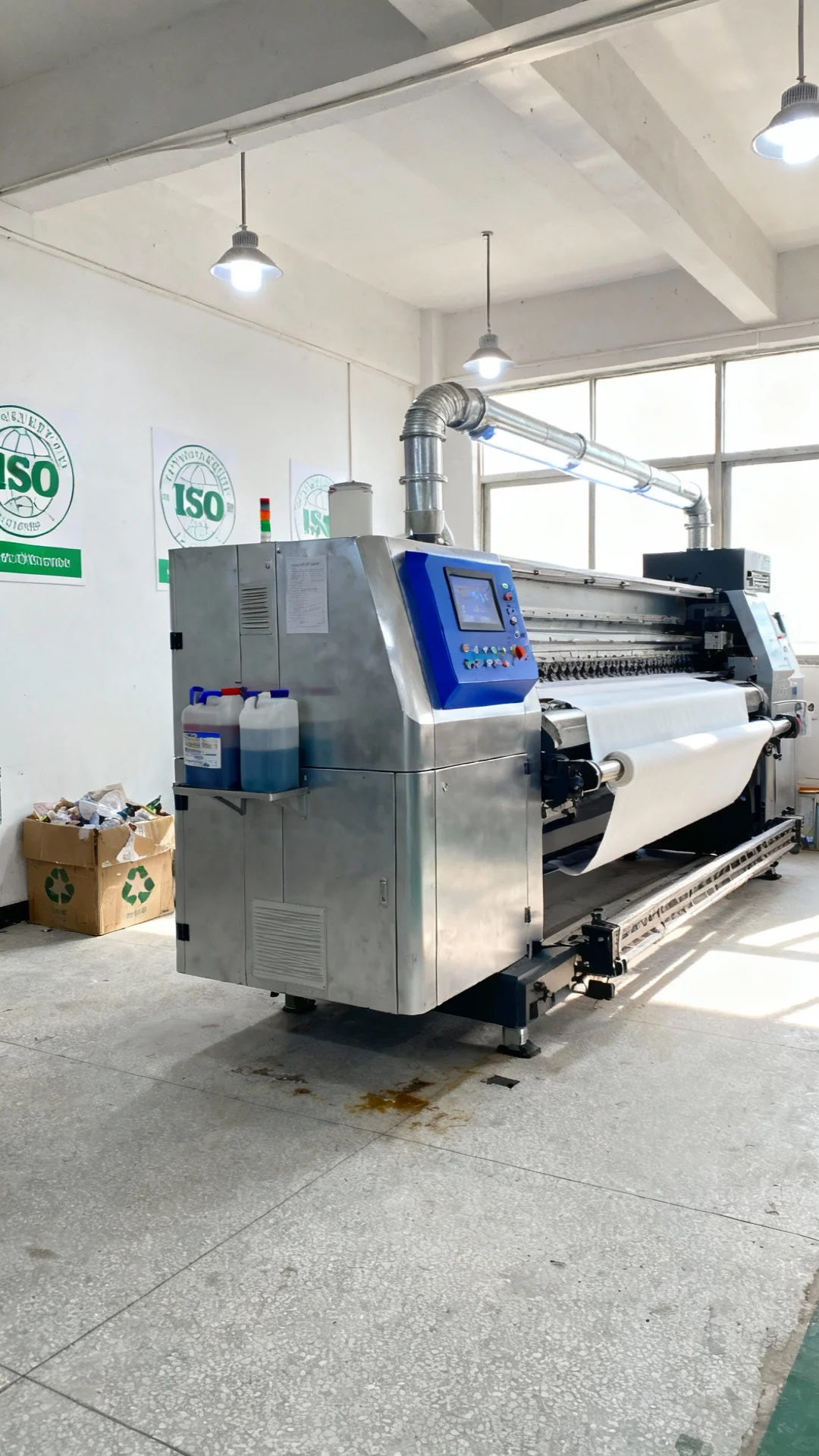
Traditional scarf production often uses screen printing, which generates significant waste through color mixing and setup. Fennysun's digital printing technology has reduced ink consumption by 40% while enabling more precise color matching and intricate designs. The technology also allows for on-demand production runs, minimizing overstock and unsold inventory waste. This proves especially advantageous for small-batch, custom orders from boutique clients seeking sustainable textile practices.
Modular Design System
Fennysun's modular design system represents a groundbreaking approach to sustainable accessory production. By developing core interchangeable design elements—including borders, central motifs, and color palettes—the company can create numerous variations without extensive new development. This system streamlines production, reduces material waste, and allows for greater customization while maintaining efficient manufacturing processes—an innovation that sets new standards in sustainable scarf manufacturing.
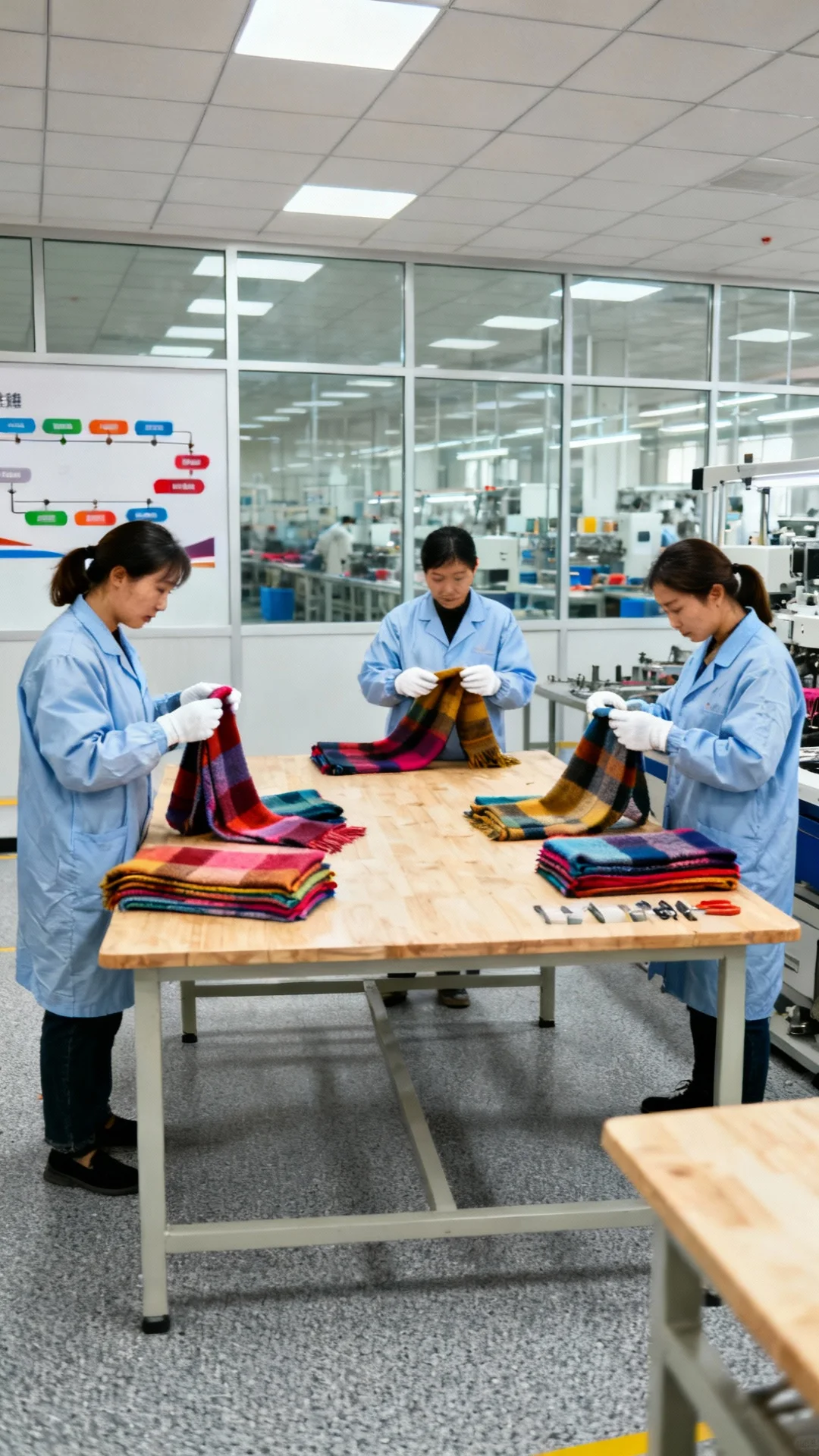
These design strategies have created a product range that appeals to environmentally conscious consumers without requiring compromises in style or functionality—a balance many competitors still struggle to achieve in ethical scarf manufacturing.
Market Impact and Customer Success Stories
The true measure of Fennysun's sustainable scarf strategy lies in its market performance and retail partner success stories. While specific client details remain confidential, several notable outcomes demonstrate the effectiveness of the company's approach to eco-friendly scarf production.
Increased Sales Conversion Rates
Retail partners report that Fennysun's sustainable scarf collections achieve approximately 20% higher conversion rates than conventional accessory lines. This success stems from compelling sustainability narratives that resonate with eco-conscious consumers and exceptional quality that justifies 15-30% higher price points than non-sustainable alternatives.
Enhanced Brand Reputation for Retail Partners
Boutiques carrying Fennysun's sustainable scarves have noted significant brand reputation enhancements as forward-thinking, environmentally responsible retailers. Several have used the scarves as focal points for in-store sustainability events and marketing campaigns, attracting new customer segments interested in ethical fashion and sustainable textile practices.
Reduced Inventory Turnover and Waste
Fennysun's timeless design approach and modular production system allow retail partners to maintain lower inventory levels while offering diverse selections. This has reduced markdowns and waste, improving overall profitability. One mid-sized boutique chain reported 25% less accessory waste after transitioning to Fennysun's sustainable collections—a testament to the effectiveness of their ethical scarf manufacturing approach.
B2B Partnership Growth
Fennysun's B2B business has grown significantly, with sustainable scarf production increasing 35% year-over-year. This growth is driven by fashion brands seeking to enhance their accessory offerings with minimal environmental impact. The company's ability to provide private label services using sustainable materials particularly attracts mid-tier brands entering the eco-fashion space without developing their own sustainable production capabilities.
These outcomes demonstrate that sustainability can drive business success when implemented thoughtfully across product development and manufacturing processes in sustainable scarf manufacturing.
Implementation Roadmap for Retail Partners
For boutiques and fashion brands considering sustainable scarves, Fennysun has developed a comprehensive implementation roadmap based on years of partnership experience. This practical framework addresses common challenges and provides actionable steps for adopting sustainable textile practices.
Assessing Customer Readiness and Demand
Before committing to sustainable scarf collections, retailers should assess their customer base's sustainability awareness and preferences. Fennysun provides retail partners with market research data specific to their regions and demographics, identifying the most resonant sustainable materials and design approaches. This data-driven approach minimizes risk and maximizes market penetration potential for ethical scarf manufacturing lines.
Strategic Product Selection and Merchandising
Fennysun recommends a phased approach to introducing sustainable scarves, starting with curated versatile styles that complement existing inventory. The company's merchandising experts collaborate with partners to develop effective product assortments based on seasonal demands, local fashion preferences, and price points. Retailers should highlight sustainable features through thoughtful product storytelling and educational materials that emphasize eco-friendly scarf production benefits.
Staff Training and Education
Successful sustainable product introduction requires knowledgeable staff who can authentically communicate environmental benefits and product features. Fennysun provides comprehensive training materials and virtual workshops covering topics from material sourcing to production processes. The company also offers QR-enabled product tags linking to detailed sustainability information, giving customers transparent supply chain insights—an essential component of ethical scarf manufacturing transparency.
Marketing and Communication Strategy
Fennysun supports retail partners with customizable marketing assets that communicate sustainability credentials without greenwashing. These resources include professional product photography, sustainability infographics, and sample social media content emphasizing both environmental benefits and aesthetics. The company's marketing focuses on positive environmental impact and product quality rather than fear-based messaging, creating compelling consumer value propositions for sustainable scarf collections.
Monitoring and Optimization
The final implementation phase involves ongoing performance monitoring and optimization. Fennysun provides retail partners with sales analytics specific to sustainable scarf collections, identifying top-performing styles and customer preferences. This data informs future ordering decisions and product development, ensuring continuous improvement and market alignment in sustainable textile practices.
This structured implementation approach has helped retail partners successfully integrate sustainable scarves into their assortments, achieving both environmental and commercial objectives through ethical scarf manufacturing.
Future Directions and Industry Impact
Looking forward, Fennysun continues to invest in research and development pushing the boundaries of sustainable scarf manufacturing. Current initiatives include developing bio-based fibers from agricultural waste, implementing blockchain technology for enhanced supply chain transparency, and exploring circular business models including end-of-life product take-back programs.
The company extends its commitment to sustainable innovation beyond its own operations through active participation in industry consortia and sustainability standard development organizations. Fennysun regularly shares best practices with competitors and collaborates on textile industry sustainability research projects, recognizing that fashion's environmental challenges require collective action rather than competitive isolation in eco-friendly scarf production.
For boutique owners and fashion brands considering sustainable scarf options, Fennysun represents more than just a supplier—it serves as a strategic partner in navigating the evolving eco-conscious fashion landscape. The company's integrated sustainability approach—encompassing materials, production, design, and business model innovation—offers a comprehensive solution addressing both environmental concerns and commercial realities in sustainable textile practices.
In an industry often criticized for its environmental impact, Fennysun's leadership demonstrates that sustainable practices can drive innovation, enhance brand value, and meet conscious consumer demands. As 2025 sustainable scarf trends continue to develop, Fennysun's commitment to balancing environmental responsibility with design excellence positions it at the forefront of the necessary and welcome transformation in the fashion accessory market.
Retailers and brands aligning with this sustainable vision will not only contribute to a healthier planet but position themselves for long-term success in an increasingly eco-conscious marketplace. Fennysun's case study provides a valuable roadmap for this journey, proving that sustainability and profitability can coexist through thoughtful innovation and strategic implementation in ethical scarf manufacturing.