As the fashion industry undergoes its sustainability transformation, scarf manufacturing has emerged as a leading segment in this evolution. With the global scarf market projected to reach $22.5 billion by 2024, sustainable practices have transitioned from optional differentiators to essential competitive advantages (Business Research Insights, 2025). This comprehensive analysis explores the critical trends reshaping sustainable scarf production, from innovative materials and certification standards to evolving consumer expectations and technological advancements. Based on extensive industry research and practical insights, this report provides fashion brands, manufacturers, and retailers with actionable intelligence to navigate the complexities of eco-conscious accessory production.
The Evolving Landscape of Sustainable Scarf Manufacturing
The sustainable scarf segment is experiencing remarkable growth, driven by converging consumer demand and industry innovation. Market data indicates that sustainable fashion accessories now represent one of the fastest-growing textile categories, with a compound annual growth rate exceeding 12% (Verified Market Research, 2024). This expansion reflects a fundamental shift in both production methodologies and consumer preferences, as environmental impact has become a key differentiator in an increasingly crowded marketplace.
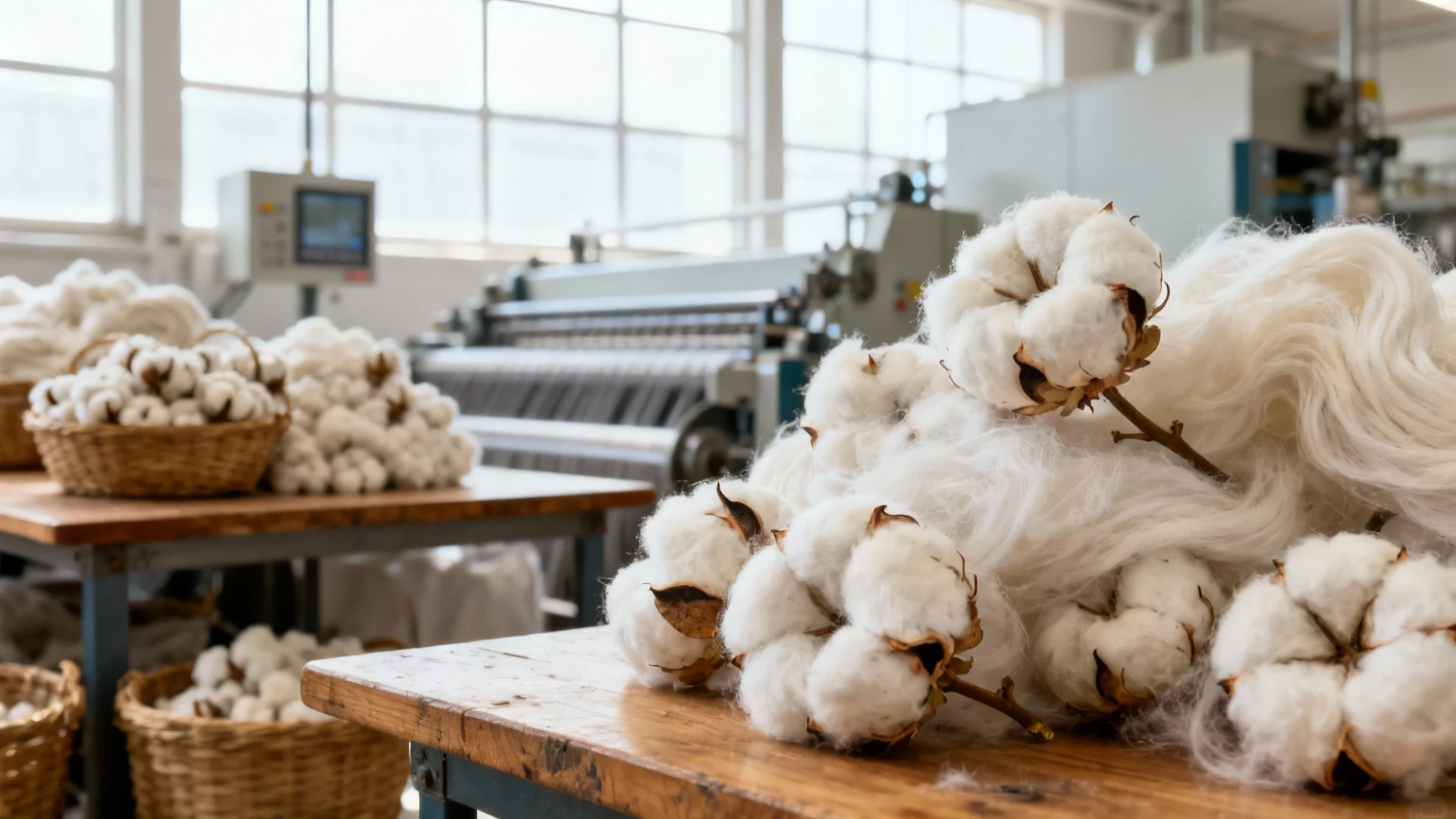
Material innovation stands as the cornerstone of modern sustainable scarf manufacturing, with circular economy solutions gaining significant traction. Traditional materials like conventional cotton and virgin polyester are increasingly being replaced by bio-based alternatives and recycled fibers. The industry is actively shifting toward closed-loop systems, where textile waste is transformed into new materials, thereby reducing reliance on virgin resources. This transition is supported by advancements in recycling technologies and the growing infrastructure for textile waste collection and processing.
Production technologies are transforming at an accelerated pace, with energy-efficient processes and water conservation measures taking center stage. Manufacturers are increasingly adopting renewable energy sources, with solar and wind power installations becoming common features in forward-thinking production facilities (MakersRow, 2024). These investments not only reduce environmental impact but also insulate manufacturers from volatile energy costs, providing substantial long-term economic benefits.
Regulatory pressures are serving as a powerful catalyst for sustainable practices in scarf manufacturing. Governments worldwide are implementing stricter environmental regulations, while trade organizations are developing standardized sustainability metrics. These developments are pushing manufacturers to improve transparency and accountability across entire supply chains, from raw material sourcing to finished product distribution.
The competitive landscape is being fundamentally reshaped by these interconnected trends, with sustainability emerging as a key determinant of market success. Established brands are reevaluating their production processes, while new entrants are leveraging innovative sustainable business models to gain market share. This dynamic environment presents both significant challenges and opportunities for manufacturers willing to embrace change and invest in sustainable solutions.
Innovative Materials Shaping the Future of Sustainable Scarves
The material revolution in sustainable scarf manufacturing is delivering substantial environmental benefits while maintaining the aesthetic and functional qualities that consumers demand. This section examines the most promising materials transforming the industry and their practical applications in contemporary scarf production.
Recycled cellulose fibers have emerged as genuine game-changers for sustainable scarf manufacturing. Leading this category is Circulose®, a dissolving pulp made entirely from cellulose-based textile waste. This innovative material, which has gained significant traction with major brands like H&M Group through multi-year supply agreements, offers a closed-loop solution for textile production (Vogue Business, 2025). By transforming post-consumer textile waste into high-quality fibers suitable for luxury scarves, Circulose® simultaneously addresses both waste reduction and resource conservation challenges. The material's compatibility with existing manufacturing infrastructure makes it particularly attractive for large-scale production implementation.
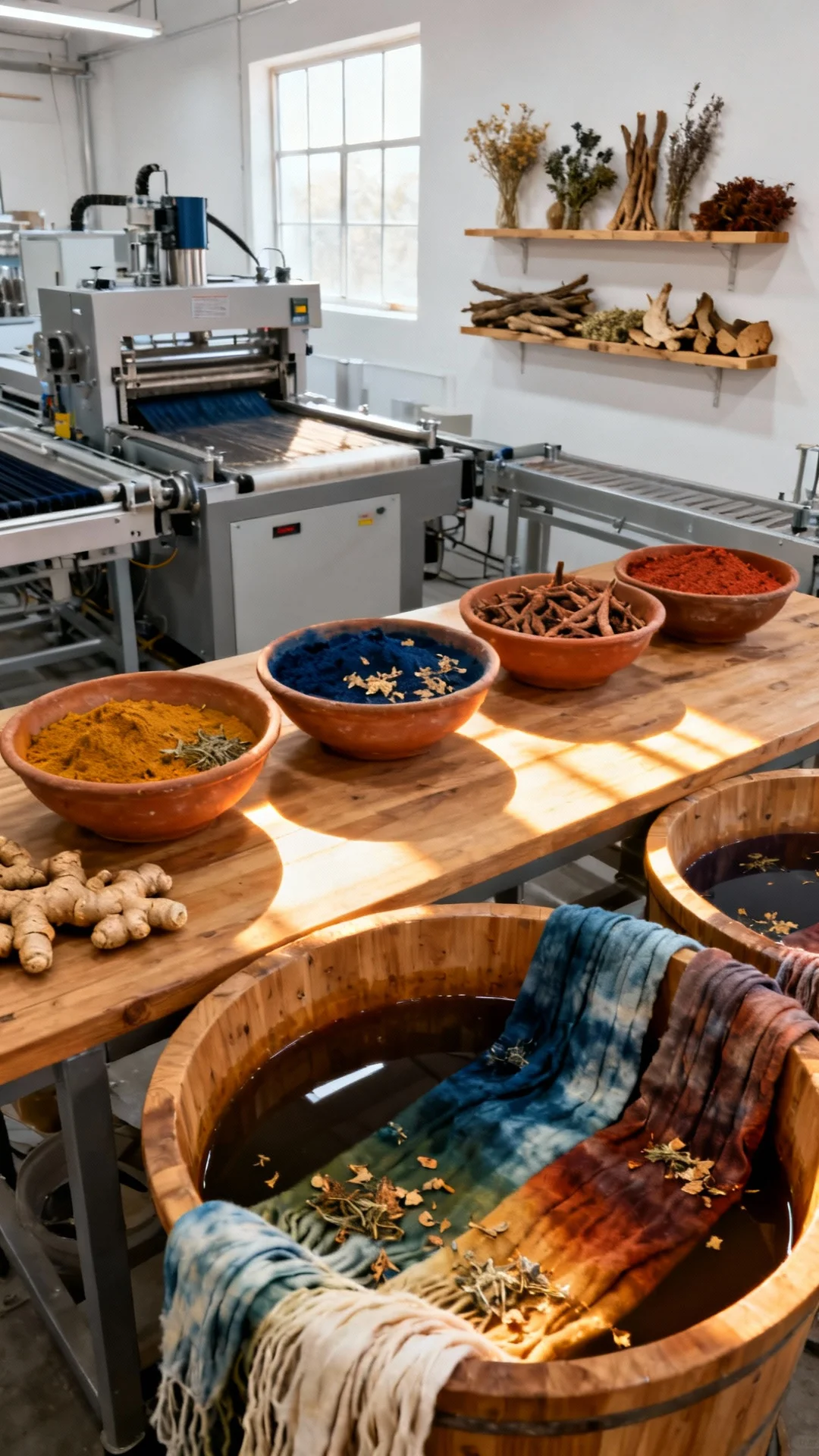
Bio-based fibers continue to expand their presence in sustainable scarf production. Notable innovations include Tencel Lyocell, produced using closed-loop processes that recycle up to 99% of solvents and water. Unlike conventional viscose, which presents significant environmental drawbacks, these advanced bio-based fibers offer superior sustainability credentials while delivering the drape and softness desirable in high-end scarves. Recent technological advancements have improved durability and versatility, making these materials suitable for an expanded range of scarf designs and applications.
Recycled polyester has evolved beyond its early iterations to become a viable and increasingly popular option for sustainable scarves. Manufactured from post-consumer plastic bottles and textile waste, recycled polyester reduces reliance on fossil fuels while diverting substantial waste from landfills. Technological improvements have effectively addressed previous quality concerns, with modern recycled polyester fibers now indistinguishable from virgin materials in many applications. The material's inherent durability and wrinkle resistance make it particularly suitable for travel scarves and accessories designed for frequent use.
Organic natural fibers remain a cornerstone of sustainable scarf production, with organic cotton, wool, and silk leading this category. These materials, when sourced from certified organic producers, eliminate exposure to harmful pesticides and synthetic fertilizers, reducing environmental impact while improving worker safety. GOTS-certified organic fibers ensure strict environmental and social criteria throughout production, providing consumers with credible and verifiable sustainability assurances.
Blended sustainable materials are gaining increasing popularity as manufacturers seek to optimize both environmental performance and functional properties. Strategic combinations of recycled fibers, organic materials, and innovative bio-based polymers create scarf fabrics with enhanced durability, comfort, and sustainability credentials. These carefully engineered blends allow manufacturers to address specific performance requirements while minimizing environmental impact across product lines.
The material innovations transforming sustainable scarf production are supported by growing infrastructure for responsible sourcing and processing. Manufacturers now have access to a wider range of certified sustainable materials than ever before, enabling meaningful sustainability claims backed by credible third-party verification. As these materials continue to improve in quality and decrease in cost, their adoption in mainstream scarf production is expected to accelerate, driving further innovation and market growth in the sector.
Certification Standards and Their Impact on Market Access
Certification standards play a pivotal role in sustainable scarf manufacturing, providing essential frameworks for environmental and social responsibility while building consumer trust. Understanding these certification systems is essential for manufacturers seeking to access premium markets and effectively demonstrate their sustainability commitments.
Global Organic Textile Standard (GOTS) stands as the most comprehensive certification for organic textiles, covering the entire supply chain from fiber production to finished product. To achieve GOTS certification, scarf manufacturers must meet rigorous criteria including minimum 70% organic fiber content, prohibition of hazardous chemicals, responsible water and energy use, and fair labor practices. This certification provides consumers with assurance that their scarves were produced with minimal environmental impact and respect for workers' rights. GOTS certification has become particularly valuable in European and North American markets, where consumers increasingly prioritize comprehensive sustainability credentials.
OEKO-TEX® Standard 100 takes a different approach by focusing specifically on product safety and chemical usage rather than organic sourcing. This certification guarantees that textiles, including scarves, contain no harmful substances and meet strict human-ecological safety requirements. Unlike GOTS, OEKO-TEX® does not require organic fiber sourcing, making it more accessible for manufacturers using conventional materials but committed to responsible chemical management. The certification's broad applicability across material types has contributed to its widespread adoption throughout the textile industry.
Better Cotton Initiative (BCI) addresses sustainability specifically in conventional cotton production, the most widely used natural fiber in scarf manufacturing. BCI works directly with farmers to implement more sustainable farming practices, including reduced water and pesticide use, improved soil health, and fair labor conditions. While not a product certification per se, BCI membership demonstrates a manufacturer's commitment to responsible sourcing in cotton supply chains. For scarf manufacturers using conventional cotton, BCI provides a practical pathway toward improving sustainability credentials without complete conversion to organic production.
Fair Trade Certification focuses specifically on social sustainability, ensuring fair compensation and safe working conditions for farmers and workers throughout the supply chain. For scarf manufacturers, Fair Trade certification addresses the critical social component of sustainability, complementing environmental certifications like GOTS and OEKO-TEX®. This certification resonates particularly with ethically conscious consumers who prioritize worker welfare alongside environmental concerns.
The practical implications of these certifications for scarf manufacturers are significant. Beyond meeting consumer expectations, certification can open doors to premium retail channels and partnership opportunities with sustainability-focused brands. However, certification also involves costs and administrative burdens, particularly for small and medium-sized manufacturers. Strategic selection of certifications based on target markets and consumer priorities is essential to maximizing return on investment.
Recent developments in certification frameworks include increased emphasis on traceability and supply chain transparency. Digital technologies now enable more robust tracking of materials from source to finished product, giving consumers greater visibility into the origins of their scarves. These advancements make certification more credible and valuable in the marketplace, further incentivizing manufacturers to adopt sustainable practices across their operations.
Consumer Demand Dynamics and Market Opportunities in Ethical Scarf Manufacturing
The sustainable scarf market is driven by evolving consumer preferences and purchasing behaviors that increasingly prioritize environmental and social responsibility. Understanding these dynamics is essential for manufacturers seeking to capitalize on growing market opportunities while addressing emerging challenges in ethical scarf manufacturing.
Consumer willingness to pay for sustainable scarves has reached unprecedented levels, with recent research indicating an average price premium of 9.7% for sustainably produced accessories (PwC Voice of the Consumer Survey, 2024). This willingness varies by market segment, with luxury consumers showing greater flexibility in price for certified sustainable products. Notably, this premium has remained stable despite economic pressures, indicating that sustainability has transitioned from a niche concern to a mainstream purchasing criterion.
Demographic analysis reveals distinct patterns in sustainable scarf consumption. Millennial and Gen Z consumers, who now represent a significant portion of the luxury accessories market, consistently prioritize sustainability in purchasing decisions. These consumers are more likely to research brand practices, verify certification claims, and share information about sustainable products through social media channels. In contrast, older demographics tend to prioritize quality and durability—factors that align well with sustainable products, creating opportunities for cross-generational appeal through effective marketing strategies.
Purchase motivation research highlights the complex interplay of factors influencing sustainable scarf purchases. While environmental concern is a primary driver, consumers also value the storytelling aspect of sustainable products. Scarves with transparent supply chains and compelling sustainability narratives create emotional connections with consumers, enhancing brand loyalty and advocacy. Research shows consumers are particularly drawn to products that demonstrate innovation in sustainable materials or production processes, viewing these as indicators of forward-thinking brands committed to positive change.
Market segmentation within the sustainable scarf category is becoming increasingly refined. Luxury sustainable scarves, often featuring premium organic materials and artisanal production methods, target high-end consumers willing to pay significant premiums for exclusive, eco-friendly designs. Meanwhile, accessible sustainability options cater to price-sensitive consumers through more affordable recycled materials and streamlined production processes. This segmentation allows manufacturers to target specific market niches while contributing to overall sustainability goals across the industry.
Geographic variations in sustainable scarf demand present both challenges and opportunities for manufacturers. European markets demonstrate the highest awareness and adoption rates for sustainable textiles, driven by strong regulatory frameworks and consumer education initiatives. North American markets are rapidly catching up, with sustainability becoming a key differentiator in the competitive accessories sector. Emerging markets show growing interest in sustainable products, particularly among urban, affluent consumers, though price sensitivity remains a barrier to widespread adoption in these regions.
The integration of sustainability into marketing and branding strategies has become essential for scarf manufacturers. Transparent communication about materials, production processes, and certification credentials builds consumer trust and differentiates products in crowded marketplaces. Digital platforms and social media prove particularly effective for sharing sustainability stories, with visual content highlighting material innovations and production practices resonating strongly with environmentally conscious consumers.
Looking ahead, consumer demand for sustainable scarves is projected to accelerate, driven by increasing environmental awareness, regulatory pressures, and growing availability of innovative sustainable materials. Manufacturers that prioritize sustainability and effectively communicate their efforts will capture growing market share and build long-term brand value in this dynamic sector of the textile industry.
Technological Innovations Revolutionizing Green Scarf Production
Technological advancements are making sustainable scarf manufacturing more efficient, affordable, and scalable than ever before. This section explores the most impactful technologies transforming production processes and their practical applications in creating environmentally responsible scarves through green scarf production methods.
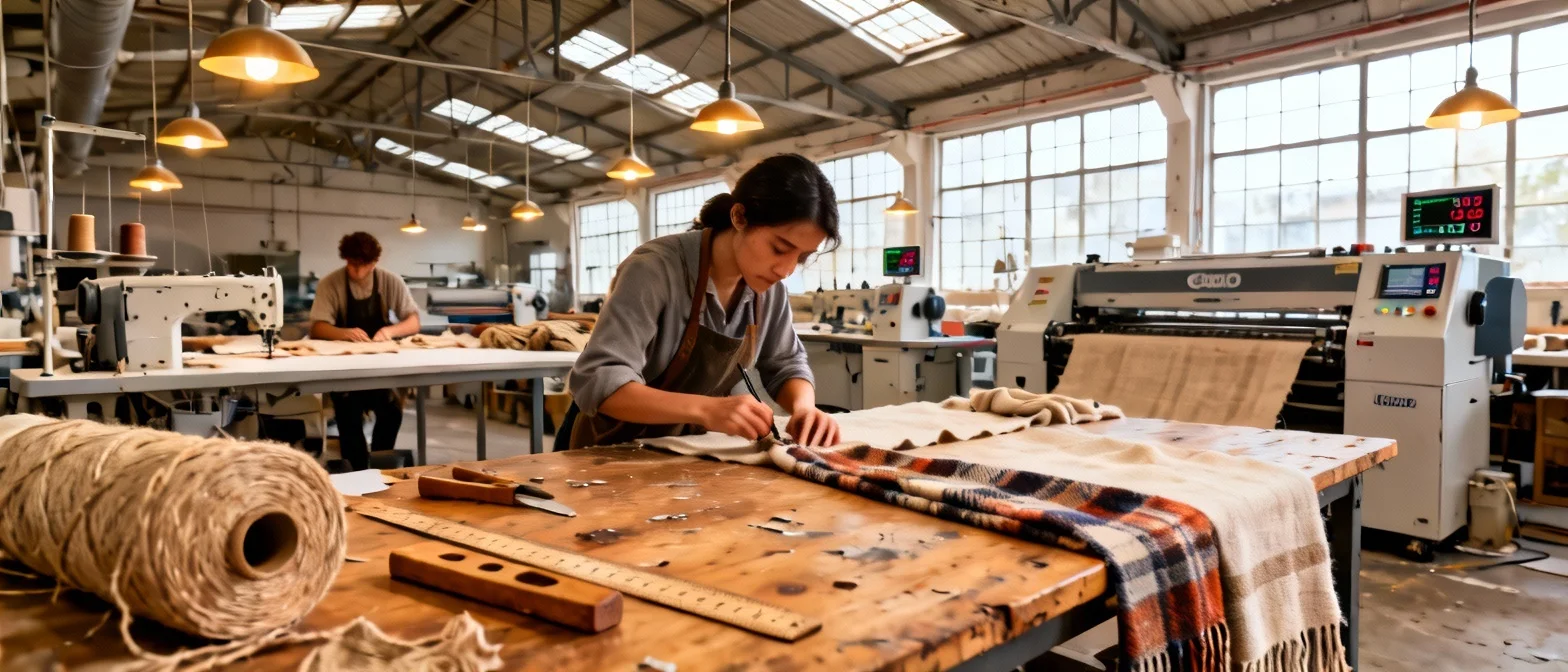
Waterless dyeing technologies represent one of the most significant innovations in sustainable textile production, directly addressing the water-intensive nature of conventional dyeing processes. Air-dyeing systems use atomized dye particles and high-pressure air to color fabrics, reducing water usage by up to 95% compared to traditional methods (Textile Learner, 2024). Similarly, supercritical carbon dioxide dyeing employs CO2 in its supercritical state as a solvent, eliminating water requirements entirely while reducing energy consumption and chemical usage. These technologies not only reduce environmental impact but also improve dye penetration and color fastness, resulting in higher quality finished products with reduced environmental footprints.
Digital printing advancements have transformed scarf production by enabling precise color application and reducing waste significantly. Digital printing systems allow for on-demand production, minimizing inventory and reducing overproduction—two significant sources of waste in the fashion industry. The technology also supports water-based inks and pigment reduction, further enhancing the sustainability of the printing process. For scarf manufacturers, digital printing offers greater design flexibility while reducing environmental footprint, making it particularly attractive for small-batch, customized production runs and limited-edition collections.
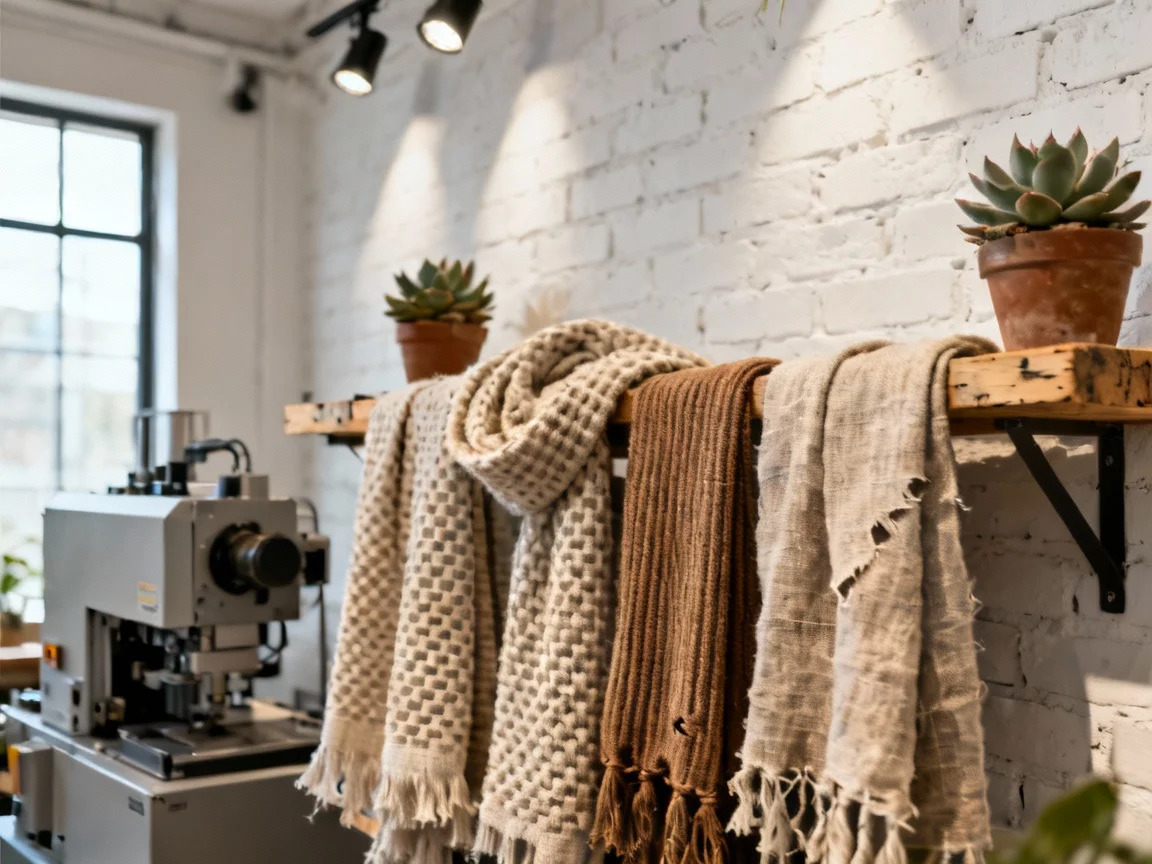
Energy-efficient manufacturing equipment is becoming standard in sustainable scarf production facilities. Modern knitting and weaving machines consume significantly less energy than older models while offering improved precision and speed. Heat recovery systems capture and reuse energy from production processes, further reducing overall energy consumption. These technological improvements not only reduce environmental impact but also improve production efficiency and reduce operational costs, creating a compelling business case for investment in new equipment.
Renewable energy integration is transforming the energy profile of scarf manufacturing facilities worldwide. Solar panel installations, wind turbines, and biomass energy systems are increasingly powering production processes, reducing reliance on fossil fuels and lowering carbon emissions. MakersRow's 2024 industry survey found that 38% of sustainable textile manufacturers have already implemented solar energy systems, with an additional 42% planning installations within the next two years. This transition not only reduces environmental impact but also provides long-term energy cost stability, protecting manufacturers from volatile energy markets and price fluctuations.
Digital supply chain technologies are enhancing transparency and traceability in sustainable scarf production. Blockchain platforms enable secure, immutable tracking of materials from source to finished product, providing consumers with verifiable sustainability credentials. Internet of Things (IoT) sensors monitor production conditions and resource usage in real-time, allowing for continuous optimization of sustainability performance. These technologies not only improve accountability but also enable data-driven decision making to further reduce environmental impact across operations.
Material innovation technologies are expanding the range of sustainable options for scarf production. Advanced recycling processes can now transform mixed textile waste into high-quality fibers suitable for luxury scarf production, addressing the longstanding challenge of hard-to-recycle textile blends. Biotechnology applications, including lab-grown fibers and bio-based dyes, offer additional avenues for reducing environmental impact while maintaining product quality and performance. These innovations create new opportunities for manufacturers to differentiate their products and meet evolving consumer expectations for sustainable options.
The practical implementation of these technologies varies significantly by manufacturer size and resources. While large-scale producers can invest in comprehensive waterless dyeing systems and renewable energy installations, smaller manufacturers are finding innovative ways to adopt sustainable technologies through modular systems and collaborative production models. Regardless of scale, technological innovation has become essential for competitiveness in the rapidly evolving sustainable scarf market.
Strategic Implementation: From Theory to Practice in Sustainable Scarf Production
Successfully implementing sustainable practices in scarf manufacturing requires strategic planning, careful resource allocation, and commitment to continuous improvement. This section provides practical guidance for manufacturers seeking to transition to more sustainable production methods while maintaining quality, efficiency, and profitability in their sustainable scarf production operations.
Material transition strategies are critical for manufacturers adopting more sustainable practices. A phased approach, starting with high-impact materials and gradually expanding to full product lines, allows for manageable adjustment periods and learning curves. Prioritizing materials based on both environmental impact and market demand ensures sustainability efforts align with consumer preferences and market opportunities. For example, transitioning from conventional cotton to BCI-certified cotton offers immediate sustainability benefits while maintaining market familiarity and accessibility. As supply chains develop and costs decrease, manufacturers can strategically incorporate more innovative materials like Circulose® or advanced bio-based fibers into their product offerings.
Certification implementation requires careful planning to ensure compliance and maximize return on investment. Manufacturers should conduct a thorough assessment of available certifications, aligning selection with target markets and consumer priorities. GOTS certification, while comprehensive, may be most valuable for premium markets, while OEKO-TEX® might offer a more cost-effective entry point for price-sensitive segments. Engaging with certification bodies early in the process provides valuable guidance on documentation requirements and process adjustments. Many certification bodies offer training programs and resources specifically designed for small and medium-sized manufacturers, making certification more accessible than many producers realize.
Production process optimization involves identifying and addressing environmental hotspots throughout manufacturing operations. Energy and water consumption mapping can pinpoint areas for efficiency improvements, often yielding cost savings that offset implementation costs. Simple measures like installing LED lighting, optimizing equipment scheduling to reduce idle time, and implementing basic water recycling can deliver significant environmental benefits with minimal investment. More advanced options, such as transitioning to air-dyeing technologies or installing solar panels, require greater capital investment but offer substantial long-term environmental and economic returns that strengthen business resilience.
Supply chain development is essential for sustainable scarf manufacturing, as material sourcing often represents the largest environmental impact in a product's lifecycle. Building relationships with sustainable material suppliers requires patience and due diligence but ultimately creates more resilient supply chains less vulnerable to disruption. Participating in industry initiatives and trade organizations provides access to sustainable supplier directories and collaborative purchasing opportunities, particularly valuable for smaller manufacturers with limited buying power. Developing transparent communication channels with suppliers ensures alignment on sustainability goals and facilitates continuous improvement throughout the supply chain.
Cost management strategies help ensure sustainability initiatives remain economically viable long-term. While some sustainable technologies require upfront investment, many offer payback periods of three to five years through energy and material savings. Implementing sustainability measures incrementally allows for financial planning and resource allocation that minimizes disruption to operations. Additionally, manufacturers should explore available incentives, grants, and financing options for sustainable manufacturing, as many governments and organizations offer support for environmental initiatives that can offset initial costs.
Workforce development is often overlooked but critical for successful sustainability implementation. Training programs on sustainable production methods, material properties, and certification requirements ensure employees have the knowledge and skills to implement new processes effectively. Engaging workers in identifying sustainability opportunities yields innovative solutions tailored to specific production challenges. Creating a culture of sustainability throughout the organization, from executive leadership to production staff, ensures consistent implementation and continuous improvement across all operations.
Market positioning and communication strategies are essential for capitalizing on sustainability investments. Transparent communication about materials, processes, and certification credentials builds consumer trust and justifies potential price premiums for sustainable products. Storytelling through digital platforms, product hangtags, and marketing materials creates emotional connections with consumers, transforming sustainability from an abstract concept into a tangible product attribute with personal meaning. Collaborating with influencers and sustainability advocates expands reach and credibility, particularly among younger demographics increasingly influential in purchasing decisions. Manufacturers should ensure sustainability claims are specific, verifiable, and aligned with established standards to avoid greenwashing accusations and maintain consumer trust.
Continuous improvement frameworks help manufacturers maintain momentum and adapt to evolving sustainability standards and technologies. Regular sustainability audits identify areas for improvement and track progress toward goals. Benchmarking against industry leaders provides valuable insights into best practices and innovation opportunities. By viewing sustainability as an ongoing journey rather than a destination, manufacturers can create resilient business models that thrive in an increasingly eco-conscious marketplace while contributing to the broader transition toward sustainable textile practices across the industry.