As sustainability evolves from a voluntary initiative to a business imperative in the fashion sector, scarf manufacturing stands at the forefront of this transformation. Driven by escalating environmental concerns and shifting consumer expectations, the industry faces a pivotal inflection point. This analysis examines the defining sustainability trends reshaping scarf production in 2023 and provides strategic insights for brands navigating this rapidly evolving landscape.
The Sustainability Imperative in Modern Scarf Manufacturing
The global textile industry's environmental footprint has become impossible to overlook, contributing nearly 10% of global carbon emissions and consuming vast quantities of water. Within this context, scarf manufacturing—a sector traditionally reliant on resource-intensive materials and processes—confronts a critical transformation moment. The year 2023 has accelerated this transition, propelled by increasingly stringent regulatory frameworks and evolving market demands.
Regulatory pressures have intensified considerably. The European Union's landmark Strategy for Sustainable Textiles, introduced in December 2023, established rigorous new requirements encompassing extended producer responsibility (EPR), mandatory sustainability disclosure, and stricter prohibitions on hazardous substances. These regulatory changes directly impact scarf manufacturers exporting to EU markets, necessitating operational adjustments across global supply chains.
Concurrently, consumer demand for sustainable products has reached unprecedented levels. Market research indicates that 66% of global consumers now prioritize brands with robust sustainability credentials, even amid economic uncertainty. This shift in purchasing behavior has fundamentally altered competitive dynamics within the accessories sector.
For fashion accessories businesses, these developments present dual challenges and opportunities. The global scarf market is projected to grow at a 5.8% compound annual rate through 2031, with sustainable practices emerging as a key differentiator. Brands successfully integrating sustainability into their production processes not only position themselves to meet regulatory requirements but also capture the growing segment of environmentally conscious consumers. Notably, research demonstrates that customers will pay an average premium of 9.7% for sustainably produced accessories, underscoring the economic viability of sustainable business models.
Material Innovation: Foundations of Sustainable Scarf Production
Material selection represents the critical first decision point in sustainable scarf manufacturing, influencing environmental impact throughout the entire product lifecycle. The year 2023 has witnessed significant advancements in eco-friendly textile options, providing manufacturers with viable alternatives to conventional materials.
Recycled fibers have emerged as practical and popular choices, offering substantial environmental benefits without compromising quality standards. Recycled polyester—produced from post-consumer plastic bottles—reduces reliance on virgin petroleum while diverting waste from landfills. In scarf production, it demonstrates particular versatility, maintaining the softness and drape consumers value while reducing water consumption by up to 70% compared to conventional polyester manufacturing. Similarly, recycled cashmere—recovered from post-industrial waste and pre-consumer offcuts—has gained traction in luxury segments, delivering the same premium tactile experience with substantially lower environmental impact.
Organic and regenerative materials have also advanced significantly, with innovations in cultivation practices enhancing both sustainability and performance characteristics. Organic cotton, grown without synthetic pesticides or fertilizers, has become a staple in sustainable scarf production, with GOTS (Global Organic Textile Standard) certification serving as a recognized benchmark for responsible sourcing. Emerging materials like Tencel™ and ECOVERO™ viscose have expanded the sustainable material palette through closed-loop production systems that recycle water and solvents. ECOVERO™, for instance, utilizes 50% less water and 30% less energy than conventional viscose production, making it particularly suitable for lightweight scarves and fashion accessories.
Biodegradable and innovative fibers represent the cutting edge of material sustainability in 2023. Bamboo fiber, when processed using eco-friendly methods, offers natural antimicrobial properties and exceptional softness, performing well for both fashion and functional scarves. Seaweed-based textiles have emerged as truly innovative options, requiring no freshwater or arable land for cultivation while sequestering carbon during growth. Although these materials currently entail higher production costs, their environmental benefits and unique selling propositions make them valuable additions to sustainable product lines, especially for brands targeting environmentally conscious consumers.
Material selection now increasingly incorporates end-of-life considerations, with biodegradability and recyclability growing in importance. Manufacturers are designing scarves with mono-material constructions to facilitate recycling and avoiding blended fabrics that complicate waste processing. This circular approach ensures that sustainability considerations extend beyond production to encompass the entire product lifecycle.
Production Process Innovations: Minimizing Environmental Impact
While sustainable materials form the foundation of eco-friendly scarf production, innovative manufacturing processes are equally critical for minimizing environmental footprint. The year 2023 has seen significant adoption of technologies that reduce resource consumption, emissions, and waste throughout production cycles.
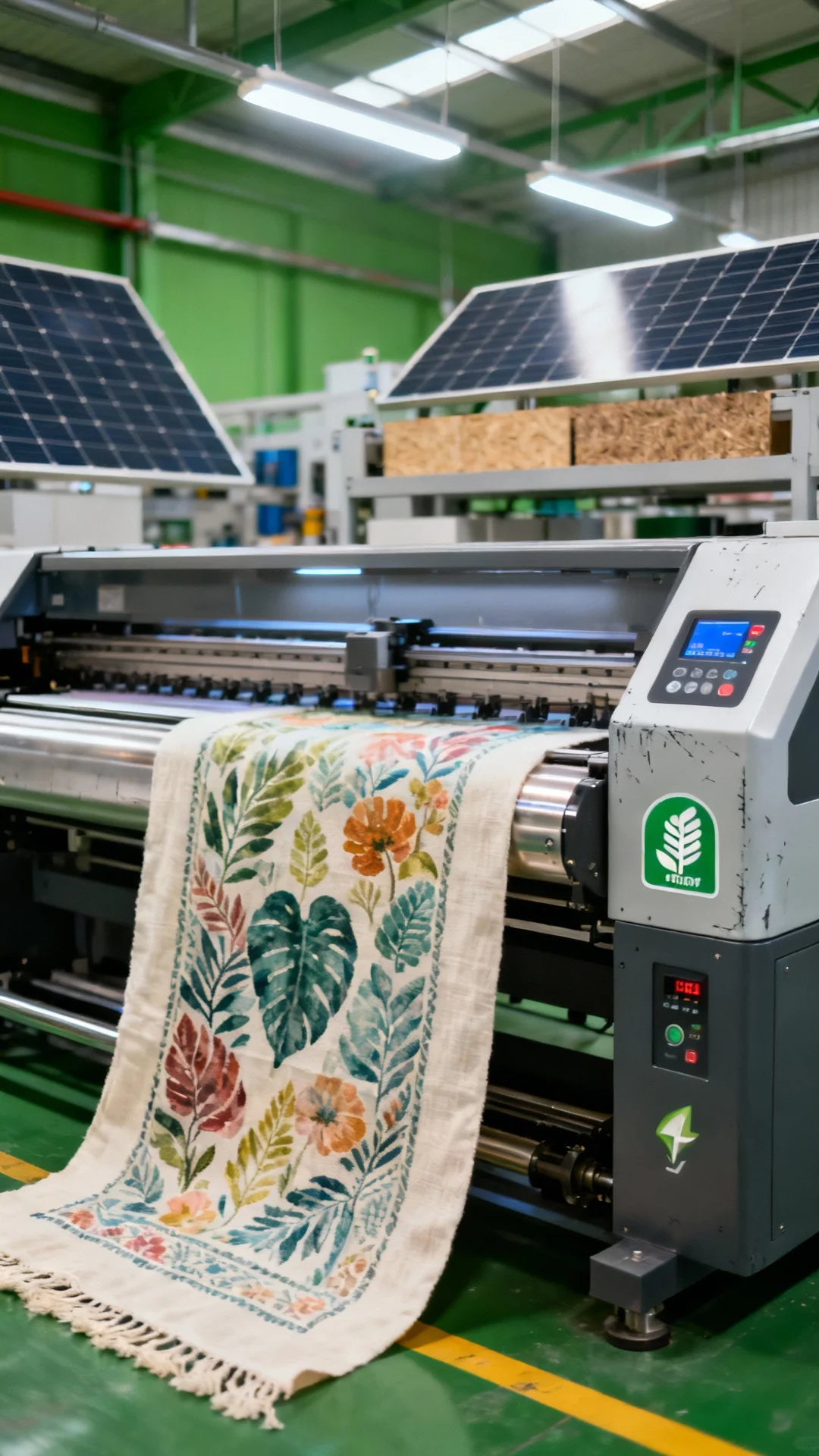
Digital printing technology has emerged as a transformative force in sustainable scarf production, offering substantial environmental benefits compared to traditional screen printing methods. By eliminating physical screens and reducing setup requirements, digital printing minimizes material waste while enabling more efficient production runs. It has significantly reduced water consumption—a critical issue in a sector historically plagued by high water usage—with some manufacturers reporting water savings of up to 95% compared to conventional printing processes. Additionally, digital printing reduces energy use, eliminates hazardous chemical waste from traditional dyeing, and enables precise color matching and design flexibility that meets consumer demand for customization.
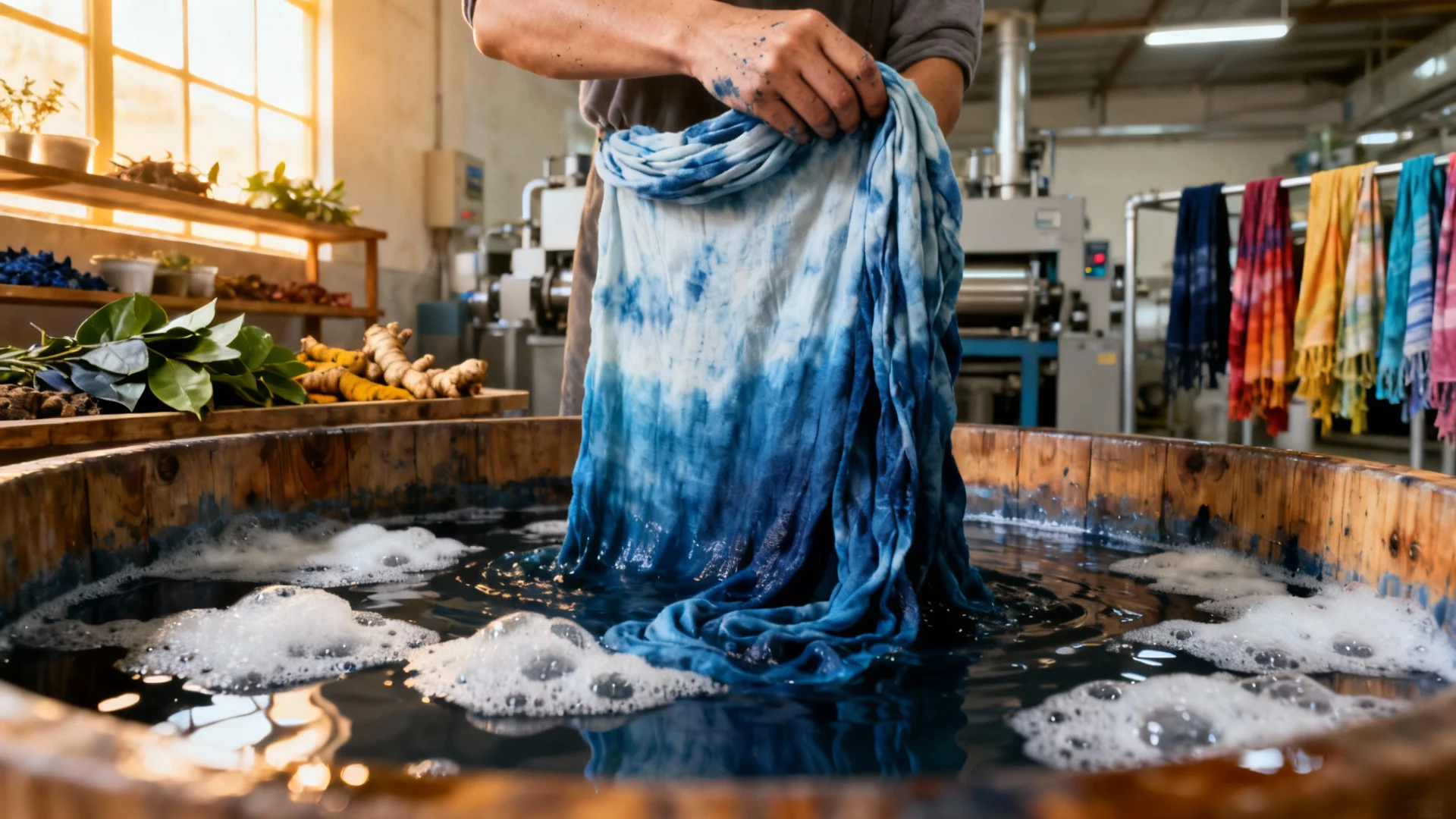
Waterless and low-impact dyeing techniques have advanced considerably, addressing one of textile production's most environmentally challenging aspects. Innovative processes utilizing supercritical carbon dioxide as a solvent eliminate water entirely while producing vibrant, colorfast results suitable for high-quality scarves. For water-based dyeing operations, low-impact dyes and improved process efficiencies have reduced water consumption by 30-50% in progressive facilities. These advancements not only reduce environmental impact but also improve working conditions by eliminating exposure to harmful chemicals, aligning with both environmental and social sustainability objectives.
Energy efficiency measures have become standard in forward-thinking manufacturing facilities, with renewable energy integration leading the transformation. Solar-powered production facilities and biomass energy systems have significantly reduced the carbon footprint of scarf manufacturing operations. Energy-efficient machinery combined with smart production scheduling optimizes equipment usage and further improves energy performance. These measures deliver dual benefits: reducing environmental impact while offering long-term cost savings that make sustainability a sound business investment.
Waste reduction strategies have evolved beyond basic recycling to embrace circular economy principles throughout production processes. Pattern optimization software minimizes fabric waste during cutting operations, with leading manufacturers achieving material utilization rates exceeding 95%. Textile waste is increasingly repurposed into new products or converted into fiber for future production, effectively closing the material loop. Lean manufacturing principles have reduced overproduction and aligned inventory levels with actual demand, cutting waste while simultaneously improving business efficiency.
These process innovations demonstrate that sustainability and productivity can work in harmony. Many eco-friendly manufacturing techniques offer operational benefits including reduced resource costs, improved efficiency, and enhanced product quality. As these technologies mature and implementation costs decrease, their adoption is expected to accelerate, driving industry-wide environmental improvements.
Ethical Manufacturing and Supply Chain Transparency
Sustainability in scarf manufacturing extends beyond environmental considerations to encompass ethical labor practices and supply chain transparency. The year 2023 has seen increased focus on the social dimensions of responsible production, with consumers and businesses now demanding greater visibility into manufacturing conditions and worker welfare, driving significant changes in supply chain management and reporting practices.
Ethical labor practices have become essential components of sustainable scarf production, with certification standards providing frameworks for responsible employment. Certifications such as Fair Trade and SA8000 are gaining prominence, ensuring workers receive fair compensation, safe working conditions, and reasonable hours. Progressive manufacturers are moving beyond minimum standards to implement living wage policies and profit-sharing programs that directly benefit workers. These practices not only ensure social sustainability but also improve product quality and worker retention, creating a virtuous cycle of ethical production.
Supply chain transparency has improved dramatically through technological innovations, with blockchain emerging as a powerful traceability tool in 2023. By creating immutable records of every supply chain stage, blockchain technology enables manufacturers to verify the sustainability claims of material suppliers and production partners. This transparency allows brands to provide consumers with detailed information about scarf origins, from fiber sourcing to manufacturing location. QR codes and digital passports linking to blockchain data have become increasingly common, giving consumers unprecedented visibility into product journeys and verifying sustainability claims.
Localized production models have gained traction as both ethical and environmental strategies, reducing transportation carbon emissions while supporting local communities. Nearshoring production closer to consumer markets minimizes shipping distances while preserving regional manufacturing traditions and skills. This approach not only reduces environmental impact but also enables more direct production oversight, ensuring ethical standards throughout the manufacturing process. For scarf production involving artisanal techniques, localized manufacturing preserves traditional craftsmanship while meeting modern sustainability standards.
Supplier relationship management now prioritizes long-term partnerships based on shared sustainability values. Manufacturers conduct thorough audits of material suppliers and production partners, evaluating environmental and social practices alongside alignment on broader sustainability goals. These strategic partnerships enable collaborative innovation in sustainable practices, from material development to production process improvements. Working closely with suppliers drives sustainability improvements throughout the supply chain, creating shared value and ensuring consistent standards across operations.
Market Dynamics and Consumer Demand for Sustainable Scarves
The sustainable scarf market experienced significant growth and transformation in 2023. Driven by evolving consumer preferences, regulatory pressures, and increased corporate sustainability commitments, this shifting landscape presents both challenges and opportunities for manufacturers and retailers in the accessories sector.
Consumer demand for sustainable products has reached unprecedented levels, with sustainability emerging as a key purchasing factor for scarf buyers across demographic segments. Market research indicates that approximately 66% of global consumers now prioritize sustainability when making purchasing decisions, with younger consumers—particularly Gen Z and millennials—exhibiting even stronger preference for eco-friendly products. This demand translates into tangible purchasing behavior; consumers increasingly pay premium prices for sustainably produced scarves, with studies showing an average price premium of 9.7% for products with verified sustainability credentials. This willingness to pay reflects growing recognition of production's true cost and desire to support ethical business practices.
Market growth statistics highlight the expanding opportunity in sustainable scarves. While precise segmentation within the broader accessories market remains challenging, industry reports indicate that sustainable fashion accessories are growing at approximately twice the rate of conventional products. The global scarf market as a whole is projected to grow at a 5.8% CAGR through 2031, with sustainable segments likely outpacing this average. This growth stems from increased consumer awareness and corporate sustainability commitments, with major fashion brands increasingly incorporating sustainable scarves into their product lines.
Regulatory influences have become significant market drivers, particularly in key markets like the European Union and North America. The EU Strategy for Sustainable Textiles, implemented in 2023, established new requirements for product transparency, durability, and recyclability that directly impact scarf manufacturers. These regulations—including mandatory extended producer responsibility (EPR) schemes and restrictions on hazardous substances—are reshaping industry production practices. While compliance presents challenges, it creates opportunities for early adopters to differentiate themselves and gain first-mover advantage in meeting emerging standards.
Distribution channel evolution has accompanied the growth of sustainable scarves, with dedicated sustainable fashion platforms and eco-conscious retailers expanding their market presence. Online marketplaces specializing in sustainable accessories experienced significant growth, providing direct-to-consumer channels for eco-friendly scarf brands. Traditional retailers also expanded their sustainable offerings, often creating dedicated sections highlighting eco-friendly products. This increased distribution access has raised consumer awareness of sustainable scarf options while making them more accessible to mainstream consumers.
Brand differentiation through sustainability has become increasingly important in a crowded marketplace, with certification and verification playing key roles in building consumer trust. Recognized certifications like GOTS (Global Organic Textile Standard), Fair Trade, and OEKO-TEX® provide independent verification of sustainability claims, helping consumers navigate the often-confusing landscape of eco-friendly marketing. Brands investing in rigorous certification and transparent communication of sustainability practices are better positioned to build long-term consumer loyalty and differentiate from competitors employing greenwashing tactics.
Strategic Considerations for Adopting Sustainable Practices
For manufacturers and brands looking to embrace sustainability in scarf production, 2023 presents a complex landscape of opportunities and challenges. Successful adoption requires strategic planning, investment, and commitment to continuous improvement across all operations.
Material selection strategies must balance environmental impact, performance requirements, and cost considerations to identify optimal sustainable solutions. Manufacturers should conduct thorough lifecycle assessments of potential materials, evaluating raw material sustainability, processing requirements, transportation impacts, and end-of-life considerations. While some sustainable materials carry higher upfront costs, total cost of ownership analysis often reveals long-term savings through reduced resource consumption and improved market positioning. Given the rapid evolution of material innovation, ongoing evaluation of new sustainable options remains essential for maintaining competitive advantage.
Technology investment decisions require careful evaluation of both environmental benefits and return on investment. Digital printing technology, despite significant upfront capital expenditure, offers substantial long-term savings through reduced material waste, lower energy and water consumption, and increased production flexibility. Similarly, investments in energy-efficient equipment and renewable energy deliver both environmental and financial returns over time. Manufacturers should prioritize technologies delivering multiple benefits—like digital printing, which simultaneously reduces water usage and chemical waste while enabling design customization that meets consumer demand for personalized products.
Certification and standards compliance has become essential for market access and consumer trust in the sustainable scarf sector. Manufacturers should pursue recognized third-party certifications that align with their sustainability priorities and target markets. GOTS certification provides comprehensive coverage of environmental and social criteria throughout the supply chain, making it particularly valuable for consumer-facing brands. Other specialized certifications—such as Fair Trade for social responsibility or Bluesign® for chemical management—address specific sustainability concerns. Notably, the certification process itself drives operational improvements, helping manufacturers identify inefficiencies and best practices that enhance both sustainability and profitability.
Consumer communication strategies must balance transparency with accessibility, conveying complex sustainability information in compelling, consumer-friendly ways. Digital tools like QR codes linking to detailed product sustainability profiles allow interested consumers to access in-depth information without overwhelming casual buyers. Storytelling that highlights the human and environmental impacts of sustainable production resonates particularly well, creating emotional connections beyond functional product benefits. Manufacturers should avoid vague or unsubstantiated sustainability claims—often referred to as "greenwashing"—which damage brand reputation and erode consumer trust. Instead, communications should focus on specific, verified sustainability achievements and ongoing improvement efforts.
Supply chain development for sustainable scarf production requires strategic collaboration and long-term relationship building with suppliers sharing sustainability values. Manufacturers should conduct thorough due diligence on material suppliers and production partners, verifying sustainability claims through documentation and on-site audits. Building close relationships with a limited number of trusted suppliers enables collaborative innovation in sustainable practices, from material development to production process improvements. These partnerships enhance supply chain transparency and resilience, reducing risks associated with distant or poorly understood supply relationships.
Future Outlook and Emerging Trends in Sustainable Scarf Manufacturing
As the scarf manufacturing industry continues its sustainability transformation, emerging trends promise to further reshape the landscape. Looking beyond 2023, these developments suggest a trajectory toward increasingly circular, transparent, and environmentally responsible production practices.
Material innovation will accelerate, with ongoing development of bio-based fibers and advanced recycling technologies expanding sustainable options for scarf production. Research into lab-grown textiles and mycelium-based materials shows promise for creating high-performance, low-impact alternatives to conventional fabrics. While currently in early commercialization stages, these innovative materials could revolutionize sustainable scarf production by eliminating reliance on resource-intensive agriculture and petroleum-based inputs. Advancements in chemical recycling will improve the recyclability of blended fabrics, addressing one of the most significant challenges in textile circularity and enabling closed-loop production systems for scarves.
Digital technologies will play an increasingly central role in sustainable scarf manufacturing, extending beyond production processes to encompass design, consumer engagement, and circularity. 3D design and virtual sampling will reduce waste by minimizing physical prototypes, while digital twins of production processes will enable resource efficiency optimization. Blockchain technology will continue enhancing supply chain transparency, providing consumers with unprecedented visibility into their scarves' origins and sustainability credentials. Emerging digital tools may eventually enable personalized sustainability metrics, helping consumers understand individual products' specific environmental impact based on unique usage and care patterns.
Circular economy principles will move beyond recycling to encompass broader systems thinking in scarf design and production. Manufacturers will increasingly adopt circular business models like product take-back programs, rental services, and repair initiatives that extend scarf lifespans. Design for durability and recyclability will become standard practice, with modular designs facilitating repair and component replacement. These approaches reduce environmental impact while creating new revenue streams and customer engagement opportunities for sustainable scarf brands.
Regulatory frameworks will continue evolving and strengthening, driving further industry sustainability improvements. Following the EU's lead, other major markets will likely implement stricter textile sustainability requirements, including mandatory environmental and social disclosure, extended producer responsibility, and restrictions on unsustainable materials and processes. These regulations create both challenges and opportunities, with early adopters gaining competitive advantage through market differentiation and reduced compliance costs. Harmonization of sustainability standards across regions remains a key challenge but also an important opportunity to streamline global sustainable production practices.
Consumer awareness and engagement will deepen, with sustainability becoming an increasingly sophisticated and nuanced consideration in scarf purchasing decisions. As consumers become more educated about textile sustainability issues, they will demand greater transparency and more meaningful sustainability credentials from brands. This awareness will drive demand for innovation in sustainable materials and production processes while rewarding brands that demonstrate genuine commitment to environmental and social responsibility. Consumer activism may play an increasing role in holding manufacturers accountable for sustainability claims, further raising industry practice standards.
The future of sustainable scarf manufacturing will be characterized by integration—of environmental and social considerations, of digital and physical processes, and of circular thinking throughout product lifecycles. Manufacturers embracing this integrated approach will thrive in an increasingly sustainability-focused market, delivering both environmental benefits and business value through innovation, efficiency, and consumer engagement. As the industry continues to evolve, these trends will reshape not just how scarves are produced but the entire value proposition of sustainable fashion accessories.