In the dynamic landscape of fashion accessories, digital textile printing has emerged as a transformative force, particularly revolutionizing scarf manufacturing. With extensive experience in textile production and innovation, I've witnessed firsthand how this technology has redefined design possibilities, production efficiency, and sustainability practices. The year 2023 marked a pivotal turning point, as technological advancements elevated digital printing from a viable alternative to the preferred method for forward-thinking scarf manufacturers and luxury brands worldwide.
The Digital Transformation in Scarf Manufacturing
The global digital textile printing market is experiencing remarkable growth, with an 8.3% compound annual growth rate (CAGR) projected between 2023 and 2028, expected to reach a market size of US$4.0 billion by 2028. This expansion is particularly evident in the scarf segment, where the technology's unique advantages perfectly align with evolving market demands. In 2024 alone, over 3.2 billion square meters of textiles were digitally printed worldwide—a substantial increase from 2.5 billion square meters in 2021—reflecting the technology's accelerating adoption across the industry.
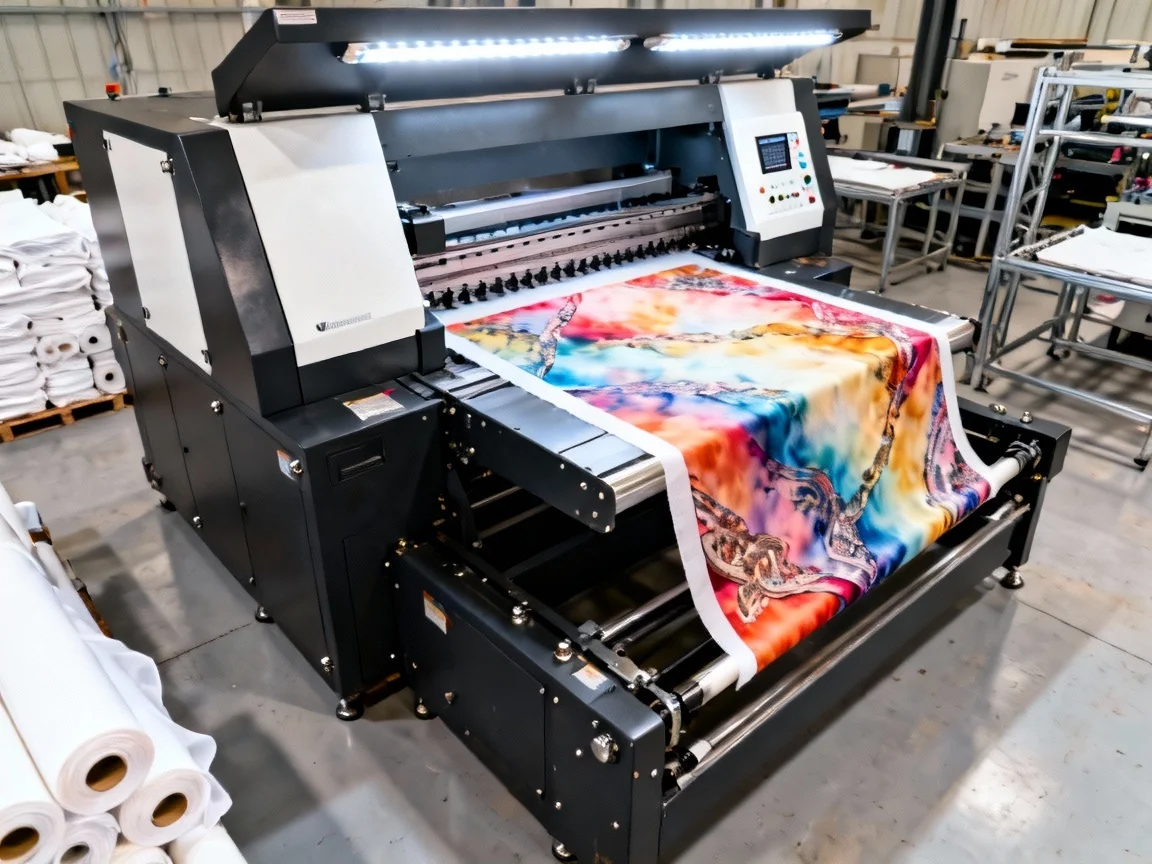
Scarf digital printing technology eliminates many limitations of traditional methods by enabling direct transfer of digital designs onto fabric without physical screens or plates. This fundamental shift in production methodology has unlocked new creative horizons while addressing pressing industry challenges related to sustainability, customization, and speed-to-market.
Defining Technological Innovations of 2023
The year 2023 witnessed several pivotal innovations that further elevated digital printing's capabilities in scarf manufacturing:
Advanced Printer Technologies took center stage, with manufacturers introducing more sophisticated roll-to-roll and direct-to-fabric printing systems. These machines deliver higher resolution, faster production speeds, and improved ink penetration—resulting in superior print quality on delicate scarf materials like silk and cashmere. Epson's Monna Lisa series, showcased at ITMA 2023, exemplifies this progress with enhanced color management and precision printing capabilities that maintain the integrity of intricate designs.
Ink Technology Advancements have been equally transformative. The development of nano-pigment inks significantly improved color vibrancy, wash fastness, and environmental performance. These inks require less water and energy during production while providing better adhesion to various fabric types, expanding the range of materials suitable for digital printing. Special effect inks—metallic, fluorescent, and thermochromic varieties—have also become more accessible, enabling scarf designers to create unique visual effects previously difficult or impossible to achieve.
Software Integration emerged as a critical innovation driver. Advanced design platforms and color management systems streamlined the transition from digital design to physical product. Adobe's PDF technology, for instance, revolutionized color consistency and image fidelity, ensuring digital designs translate accurately onto different fabric types. This software-hardware integration reduced production errors and waste while accelerating the overall workflow.
Perhaps most significantly, scarf printing automation technologies transformed production lines. Automated pre-treatment and post-printing systems, coupled with AI-powered quality control, minimized human intervention, improved consistency, and increased production efficiency. These advancements made digital printing more scalable and cost-effective for scarf manufacturers of all sizes.
Sustainability Advantages in Modern Scarf Production
Sustainability has become a defining factor in manufacturing decisions, and digital printing offers substantial environmental benefits over traditional scarf production methods:
Resource Conservation stands out as one of digital printing's most significant environmental advantages. The technology reduces water consumption by up to 95% compared to conventional screen printing methods—a critical benefit given the fashion industry's historical water intensity. Digital processes also minimize ink and chemical usage through precise application, reducing both waste and potential environmental impact.
Waste Reduction is another key sustainability benefit. Traditional printing methods generate significant textile waste during setup and color testing. Digital printing allows for precise material utilization and on-demand production, improving cost management by minimizing excess inventory and material waste.
Energy Efficiency improved with newer digital printing systems that require less energy to operate and maintain optimal production conditions. Additionally, eliminating screen production and processing reduces overall energy consumption throughout the manufacturing cycle.
Leading scarf manufacturers have already recognized these sustainability benefits. Forest Digital Textile Printers' 2023 partnership with META VOCUS demonstrated how digital printing can transform scarf manufacturing into a more sustainable process while maintaining design integrity and quality standards. Luxury brands have similarly embraced digital printing for their scarf lines, leveraging its environmental credentials as a market differentiator.
Cost Efficiency and Production Flexibility
The economic advantages of digital printing have become increasingly apparent, particularly when evaluated through the lens of scarf manufacturing's unique requirements:
Cost Structure Transformation represents one of the most significant developments. While digital printing historically carried higher per-unit costs for large production runs, 2023's technological advancements narrowed this gap considerably. Eliminating screen production and setup costs makes digital printing particularly cost-effective for small to medium batch sizes, aligning perfectly with the scarf market's demand for seasonal collections and limited editions.
On-demand scarf production capabilities have revolutionized inventory management for scarf brands. Digital printing enables manufacturers to produce smaller quantities economically, reducing the risk of overstocking and minimizing markdowns. This flexibility allows brands to respond more quickly to emerging trends and customer preferences—a critical advantage in the fast-paced fashion accessories market.
Customization Economics improved dramatically through digital printing. The technology enables easy design modifications without significant cost implications, making personalized and made-to-order scarf production economically viable. This capability has opened new business models for brands and retailers, particularly in the luxury and boutique segments where exclusivity and personalization are highly valued.
Supply Chain Optimization emerged as another economic benefit. Digital printing's shorter production cycles reduce lead times from design to market, enabling brands to operate with leaner supply chains and respond more effectively to market demands. This agility improves customer satisfaction while reducing costs associated with inventory holding and obsolescence.
Strategic Implementation Considerations
For fashion brands and retailers considering adopting digital printing for scarf production, several key implementation factors deserve careful consideration:
Workflow Integration requires thoughtful planning to maximize efficiency gains. The optimal digital printing workflow encompasses design preparation, color management, pre-treatment, printing, post-treatment, and quality control. Each stage has specific requirements and best practices that must be followed to ensure consistent results. Leading manufacturers have developed comprehensive workflow management systems that integrate these stages seamlessly, often with automated data transfer and quality monitoring.
Equipment Selection should be guided by production volume, material types, and quality requirements. Entry-level digital textile printers may suffice for small boutique operations, while high-volume manufacturers benefit from industrial-grade systems with higher throughput and advanced features. The choice between roll-to-roll and flatbed systems depends on specific scarf production requirements: roll-to-roll offers advantages for continuous production, while flatbed provides greater flexibility for delicate or structured materials.
Material Compatibility remains a critical consideration. While digital printing works well with most natural and synthetic fibers used in scarf production, each material may require specific pre-treatments, inks, and post-printing processes. Silk, for instance, requires different handling than polyester or cotton. Understanding these nuances is essential for achieving optimal results.
Color Management systems are vital for maintaining consistency across production runs and material types. Advanced color profiling tools and spectrophotometers help ensure digital designs translate accurately to physical scarves, minimizing discrepancies and reducing waste. Investing in proper color management infrastructure is particularly important for brands with established color standards and brand identities.
Skill Development shouldn't be overlooked when transitioning to digital printing. Operators require training in new technologies, software systems, and maintenance procedures to maximize equipment performance and product quality. Many equipment manufacturers and industry organizations offer specialized training programs tailored to digital textile printing applications.
Future Outlook and Strategic Recommendations
As digital printing technology continues to evolve, several emerging trends promise to further transform scarf manufacturing:
Increased Automation will likely characterize the next phase of digital printing development. Artificial intelligence (AI) and machine learning will play increasingly prominent roles in quality control, predictive maintenance, and process optimization—further reducing production costs while improving consistency and reliability.
Material Innovation will expand the range of fabrics suitable for digital printing, including more sustainable and technical textiles. Developing new fiber treatments and coatings will enhance printability while maintaining or improving fabric performance characteristics.
Integration with Digital Design Tools will become more seamless, enabling direct connection between design software and production systems. This integration will facilitate real-time design modifications, virtual prototyping, and more efficient design approval processes.
For fashion brands and retailers looking to leverage digital printing for scarf production, several strategic recommendations emerge:
- Develop a clear digital transformation strategy aligned with business objectives, whether focused on sustainability, customization, speed-to-market, or cost efficiency.
- Initiate pilot projects to gain hands-on experience and refine processes before full-scale implementation, particularly focusing on material-specific applications.
- Invest in comprehensive training programs to ensure operators have the skills necessary to maximize technology benefits and maintain quality standards.
- Cultivate strategic partnerships with technology providers, ink suppliers, and material specialists to stay current with evolving capabilities and best practices.
- Evaluate your entire value chain when assessing digital printing's potential impact, including design, production, marketing, and customer engagement.
- Leverage digital printing's unique capabilities to develop differentiated products and business models that stand out in the marketplace.
- Establish a technology monitoring system to identify new opportunities for process improvement and innovation as the digital printing landscape continues to evolve.
As digital printing technology advances, its transformative impact on scarf manufacturing will only deepen. By embracing these digital printing innovations, fashion brands and retailers can position themselves at the forefront of industry evolution while addressing critical market demands for sustainability, customization, and agility. The brands that successfully integrate these technologies into their operations will be well-positioned to thrive in an increasingly competitive and rapidly changing market landscape.